
17th-Century Japanese Pilgrim’s Inscription at Angkor Wat Reveals Centuries-Old Cultural Connections
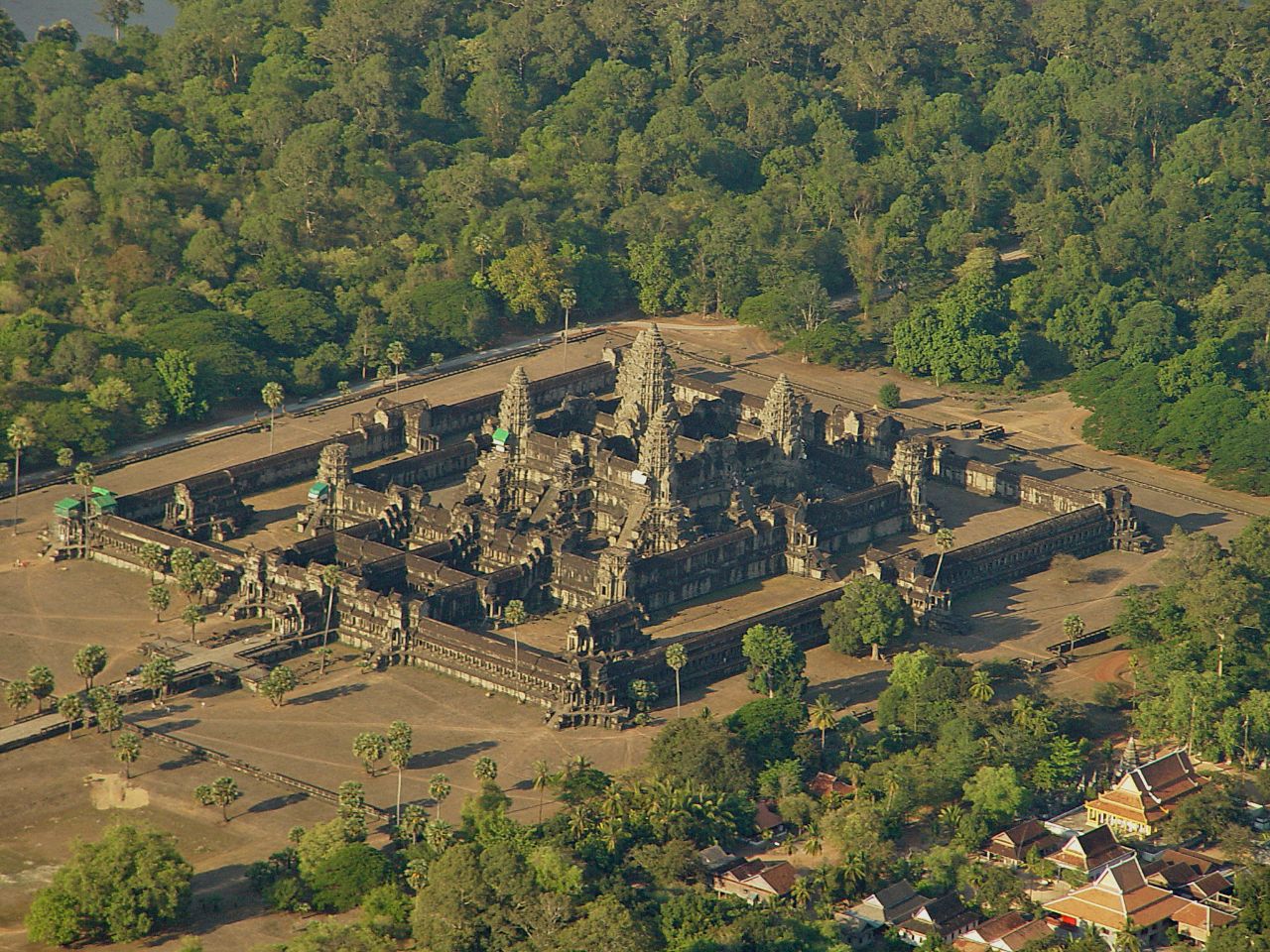 17th-Century Japanese Pilgrim’s Inscription at Angkor Wat Reveals Centuries-Old Cultural Connections
SIEM REAP, November 2, 2026 — A Japanese visitor’s account of a pilgrimage to Cambodia’s Angkor Wat in 1632 has attracted renewed attention after a Japanese tourist shared an AI-assisted translation of the historical inscription.
The inscription, reportedly carved into part of the Preah Poan Gallery inside Angkor Wat, records the visit of a Japanese pilgrim named Morimoto Ukon Dayu Kazufusa, who travelled from Hishu, in present-day Japan’s Kyushu region, to visit the sacred temple nearly four centuries ago.
According to the translated text, Morimoto visited Angkor Wat for the first time during the first month of 1632, travelling thousands of miles across the sea to undertake a religious pilgrimage.
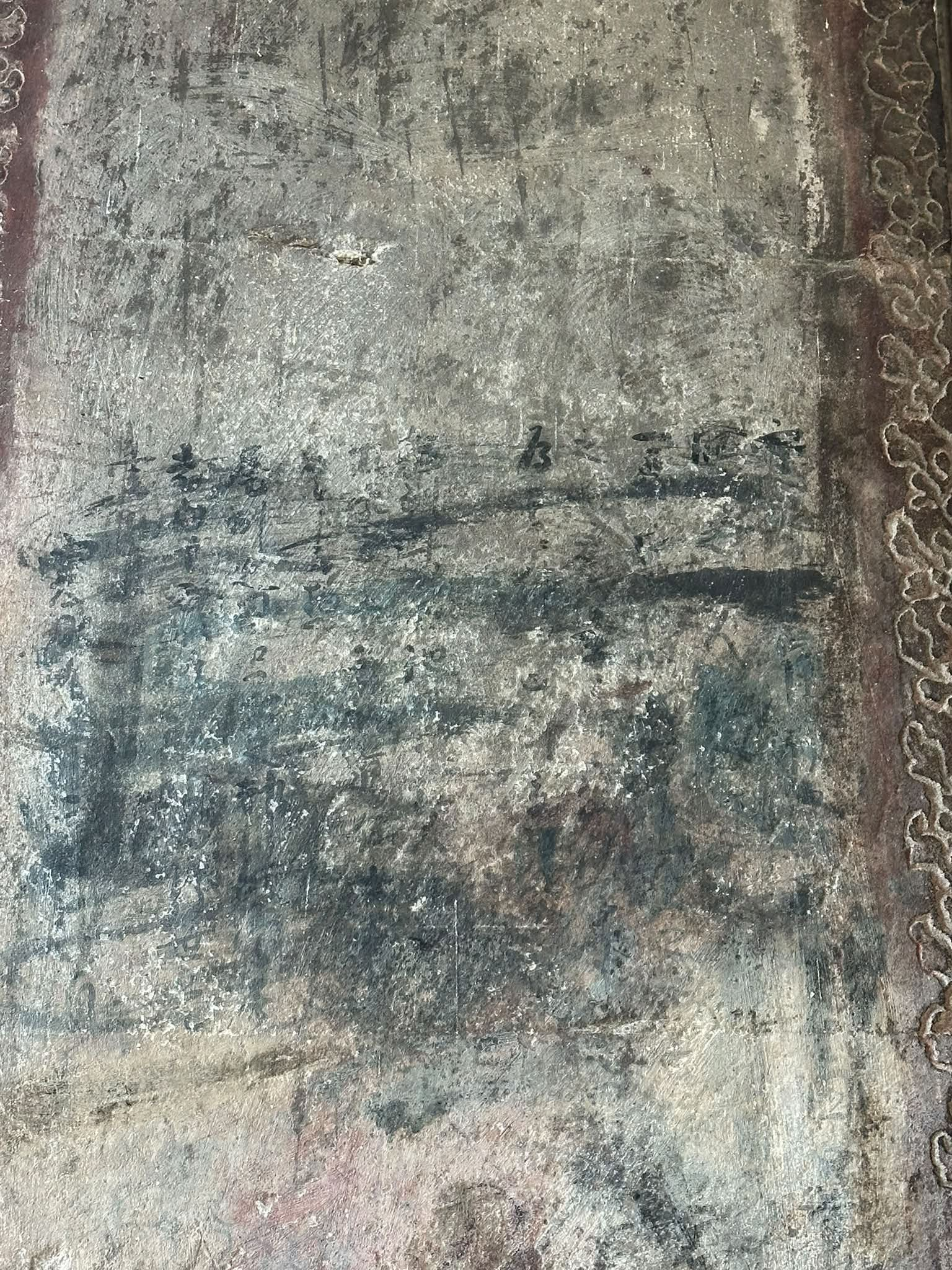
A Pilgrimage Across the Sea
In the inscription, Morimoto described his journey as an act of religious devotion. He explained that he had travelled a great distance to visit the sacred temple and offered prayers for his family’s well-being.
With what he described as a pure and sincere heart, he prayed for his father’s good health and long life, while also asking for happiness for his deceased mother in the afterlife.
The inscription further records that Morimoto offered four Buddha statues to the sacred site as an expression of his prayers and devotion.
A Historical Record of Japanese Visitors to Angkor
The inscription provides a fascinating glimpse into the historical connections between Japan and Cambodia, demonstrating that Japanese visitors travelled to Angkor Wat centuries before modern tourism developed.
Its account of a Japanese pilgrim crossing the sea to visit the ancient Khmer temple also highlights Angkor Wat’s significance as a religious destination beyond Cambodia.
The translated inscription was shared with a Cambodian tour guide by a Japanese visitor who had previously joined one of his tours. The translation was produced with the assistance of artificial intelligence.
While the translation offers an accessible account of the inscription, further examination of the original Japanese text and its historical context would help confirm the precise wording and details.
Nearly 400 years later, Morimoto’s recorded prayers remain a remarkable historical connection between Japanese religious devotion and Cambodia’s enduring cultural heritage.