85 Years On, Koh Chang Naval Battle Still Shapes Cambodia–Thailand History
 85 Years On, Koh Chang Naval Battle Still Shapes Cambodia–Thailand History
PHNOM PENH, Jan 17, 2026 — Cambodia on Friday marked the 85th anniversary of the Battle of Koh Chang, a World War II-era naval engagement in which the Thai navy was defeated by French forces, an event that later played a decisive role in the temporary loss and eventual restoration of Cambodian territory.
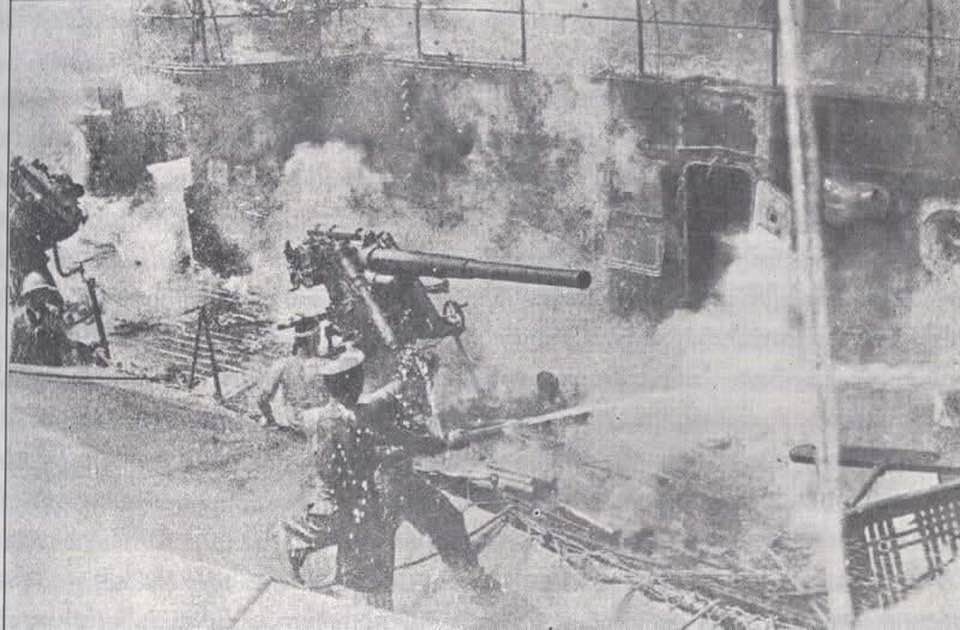
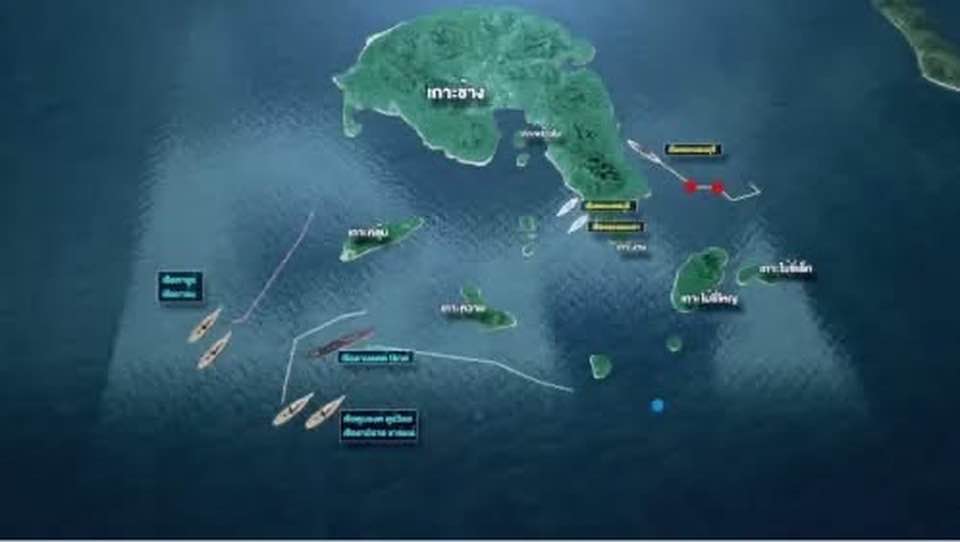
The battle took place at around 6:00 a.m. on Jan. 17, 1941, when French naval forces launched a surprise attack near Koh Chang, according to historical accounts cited by Khieu Kanharith, Cambodia’s former minister of information, in a post marking the anniversary.
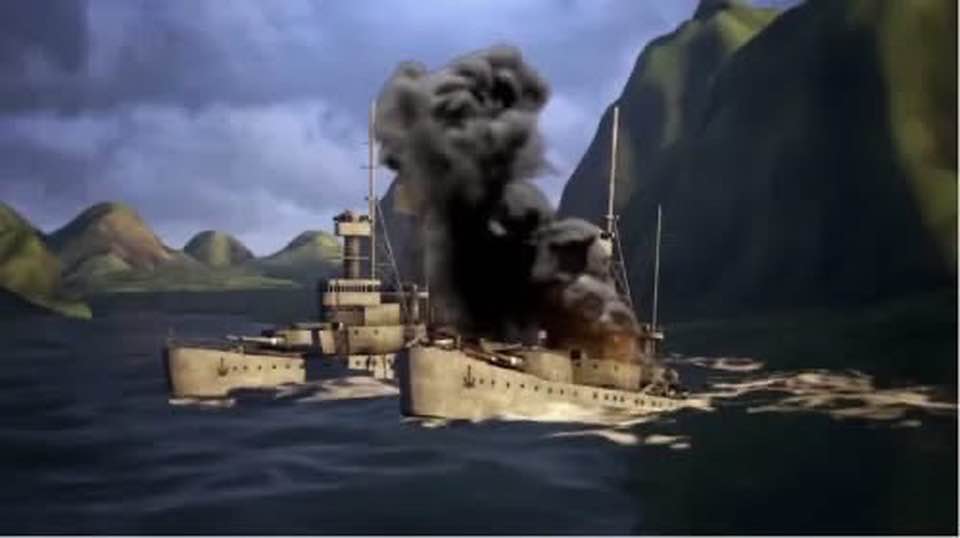
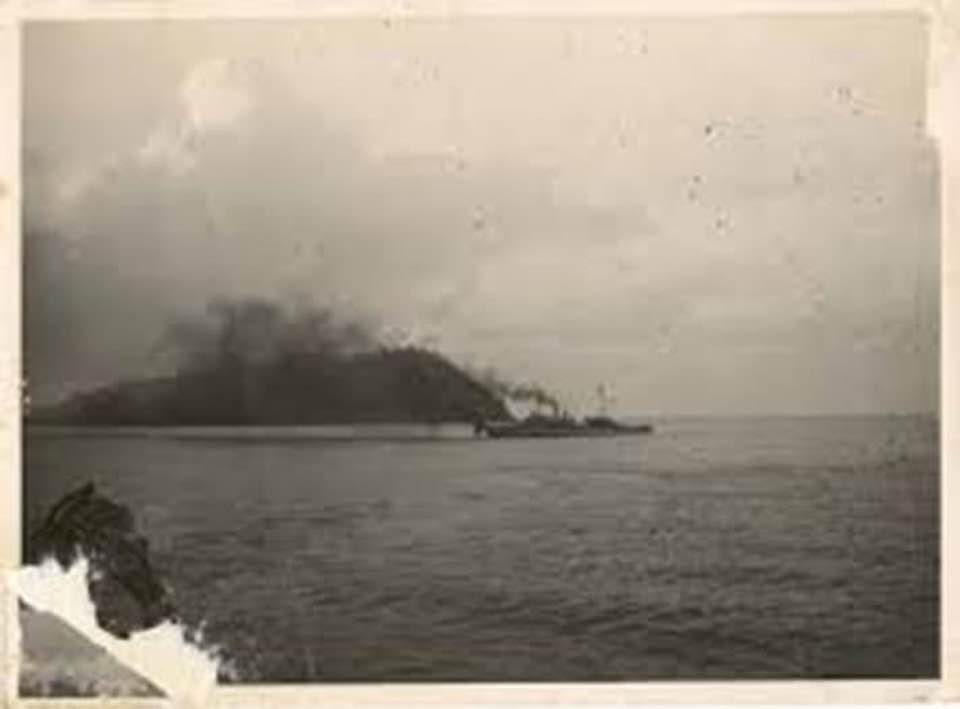
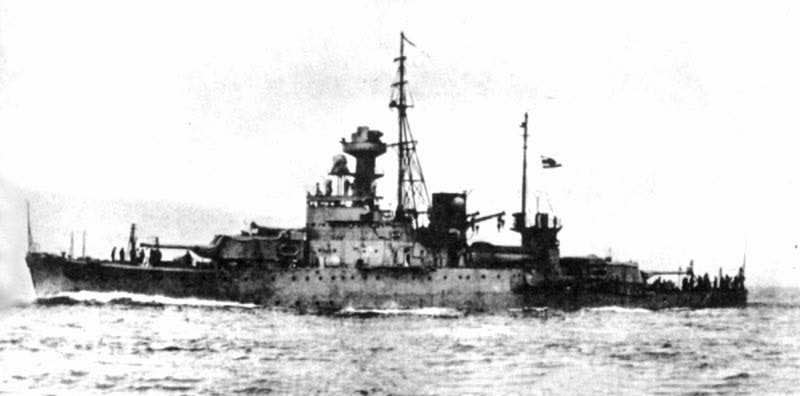
Two Thai torpedo boats — HTMS Chonburi and HTMS Songkhla — were sunk during the engagement, while the larger warship HTMS Thonburi was heavily damaged after French fire struck its command bridge, killing its commander. The vessel later ran aground in shallow waters. Thai naval losses included 36 personnel killed, with nearly half of the deployed fleet destroyed, the post said.
Although France prevailed militarily, the conflict’s political outcome was shaped by Japan, which was expanding its influence across Asia and allied with Thailand at the time. Acting as an arbitrator, Japan pressured France into accepting Thai territorial demands.
In May 1941, France was forced to cede Cambodian provinces including Battambang, Siem Reap (excluding the Angkor area) and Sisophon to Thai control on a temporary basis.
One of the most sensitive issues during negotiations was Angkor Wat. Under the Tokyo Treaty of 1941, Japan ruled that Angkor Wat and Siem Reap would remain under French administration but be designated a demilitarised zone, leaving the Thai border about seven kilometres from the temple complex.
According to a March 1941 report by then U.S. ambassador to Japan Joseph C. Grew, the Tokyo negotiations were not a genuine mediation but rather a settlement imposed by Japan, which used the Franco–Thai territorial dispute to expand its political, economic and military dominance in Southeast Asia.
After Japan’s defeat in World War II, France demanded the full return of the territories. Thailand initially resisted but eventually agreed, seeking admission to the United Nations, where France — a permanent Security Council member — held veto power.
In October 1946, Thailand signed an agreement in Washington formally returning Battambang and Siem Reap to Cambodia, restoring sovereignty over the territories.
The Koh Chang battle remains a pivotal episode in Cambodia–Thailand history, underscoring how wartime geopolitics reshaped borders and left lasting legacies still referenced in regional relations today.