AI Takes Centre Stage in China-ASEAN Emergency Rescue Cooperation
 AI Takes Centre Stage in China-ASEAN Emergency Rescue Cooperation
NANNING, Sept. 19, 2026 — Artificial intelligence and next-generation rescue technologies are taking centre stage as China and ASEAN countries strengthen cooperation on disaster preparedness, urban emergency response and cross-border rescue operations.
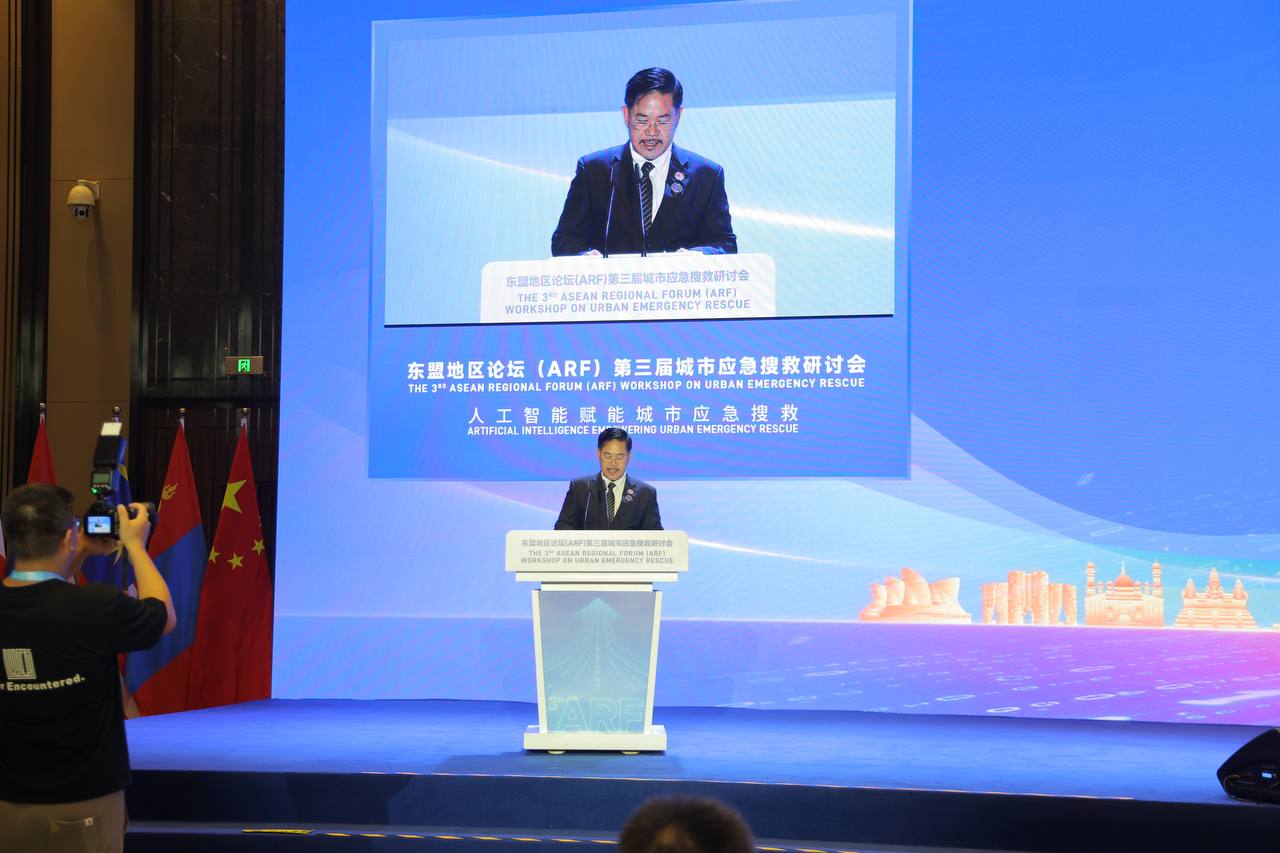
The Third ASEAN Regional Forum (ARF) Workshop on Urban Emergency Rescue opened in Nanning, Guangxi Zhuang Autonomous Region, on September 18, bringing together more than 400 participants from 27 ARF participating countries and international organisations.
The five-day workshop, running from September 17 to 21, is co-chaired by China, Laos and Malaysia under the theme “Artificial Intelligence Empowering Urban Emergency Rescue.” It focuses on strengthening regional capabilities to prevent and respond to disasters, while promoting cooperation in emergency rescue and cross-border disaster response.
The programme includes senior officials’ meetings, seminars, technical exchanges, field exercises and demonstrations of smart rescue technologies.
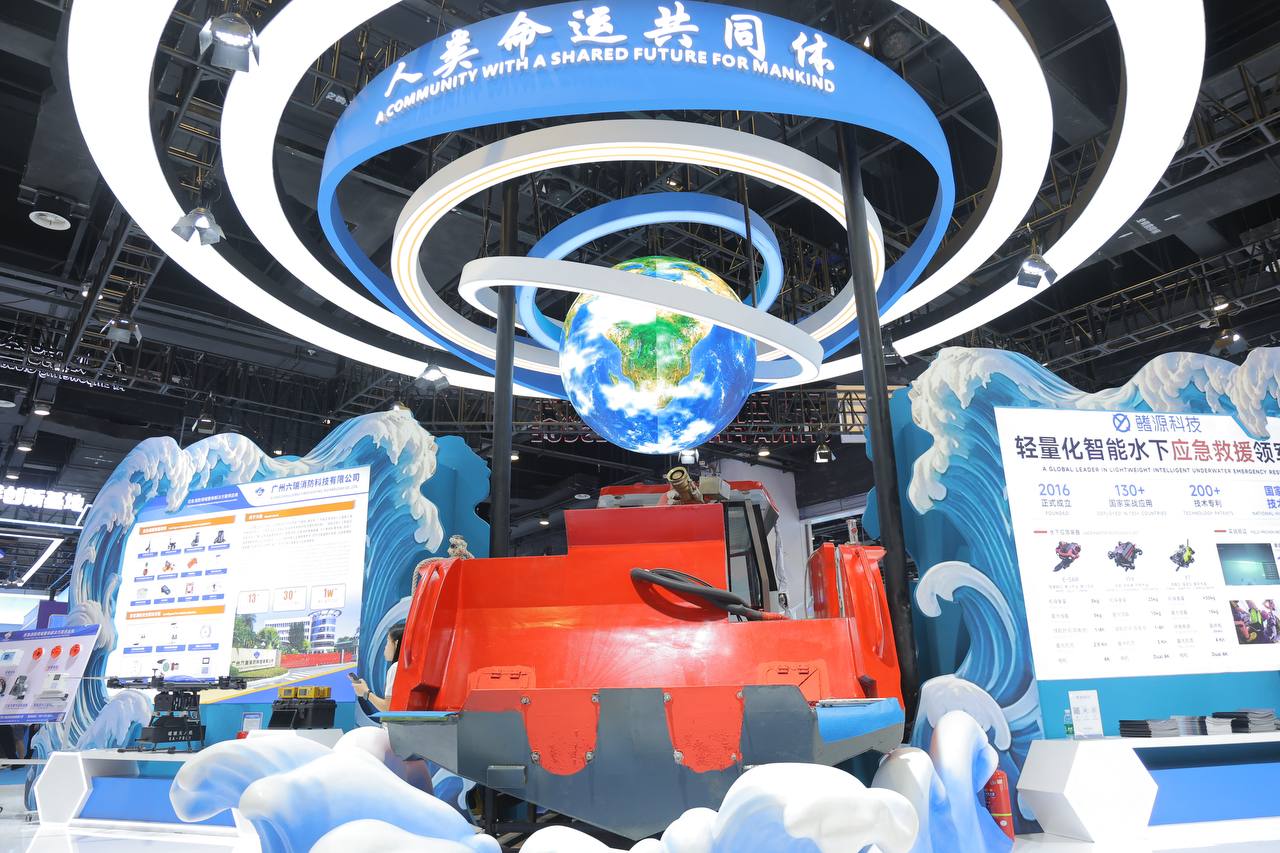
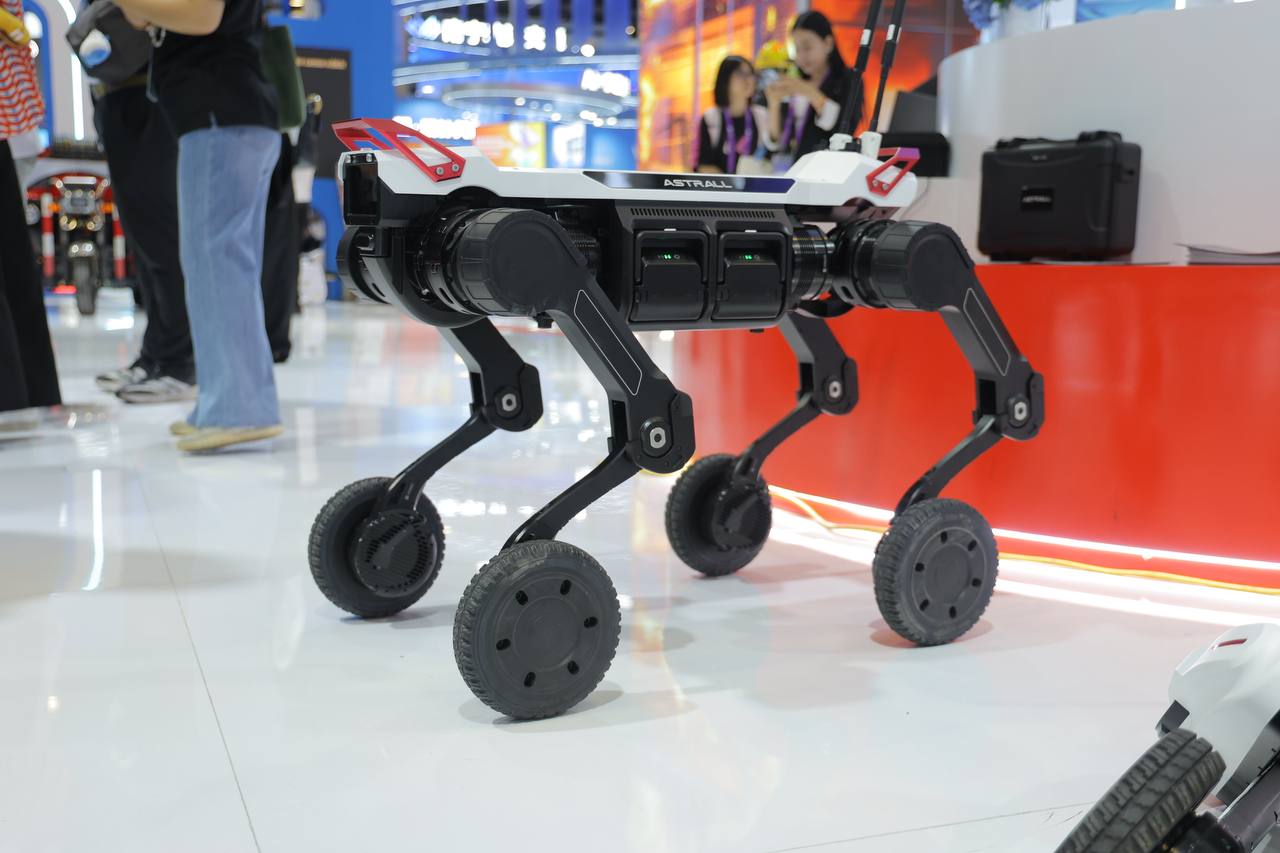
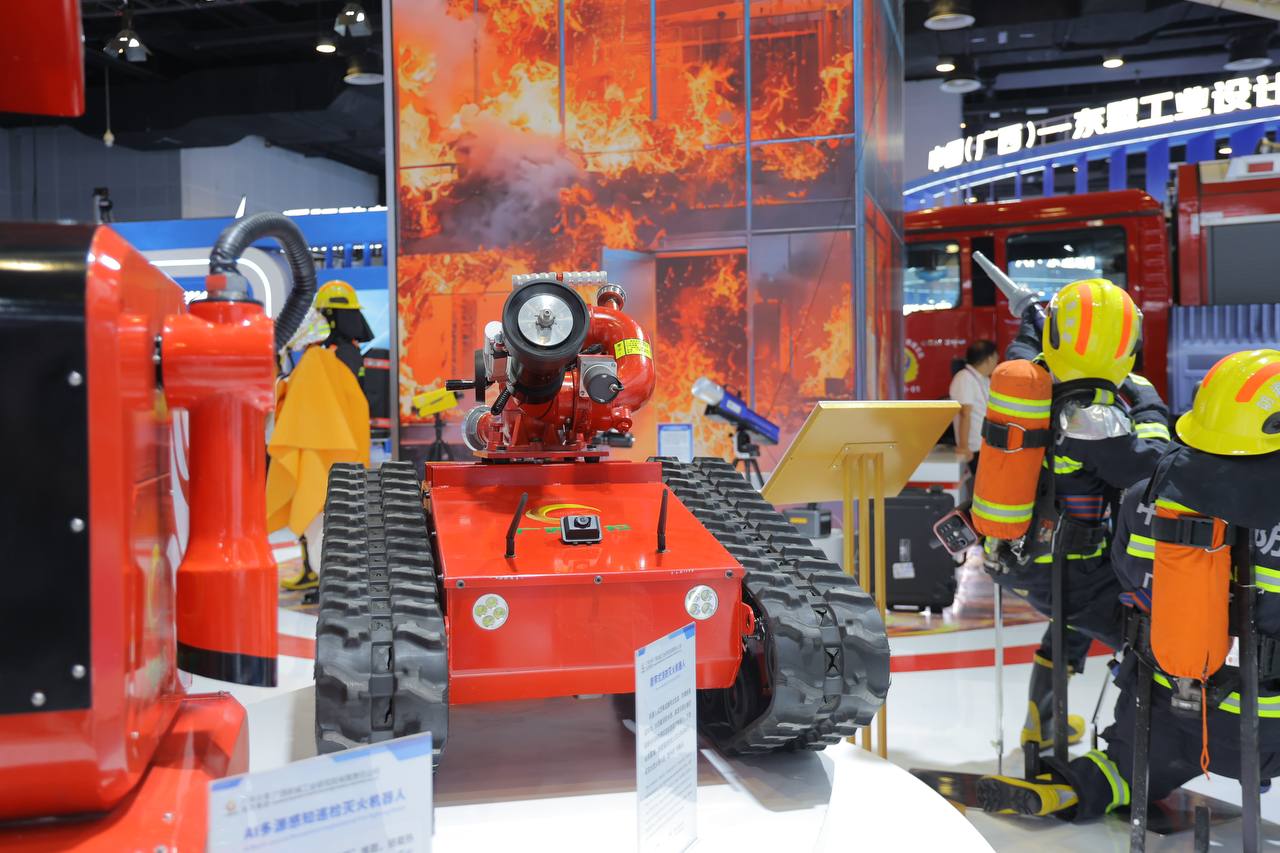
Participants have also viewed an exhibition showcasing intelligent firefighting and rescue equipment, as well as a multinational field exercise involving 21 Chinese and international rescue teams from 11 countries and more than 300 rescuers.
The exercises demonstrated the use of underwater robots, firefighting robotic dogs and large unmanned drones in responses to earthquakes, geological disasters and water-related emergencies.
AI to Support, Not Replace, Human Responders
The workshop has highlighted the growing role of AI in helping emergency responders process information, assess risks and make faster operational decisions.
Malaysia’s Deputy Director-General of the Fire and Rescue Department, Datuk Nordin Pauzi, said his department is undergoing digitalisation to improve decision-making and deploy rescue assets and resources more accurately and quickly.
He said the collection and sharing of data between agencies could provide a foundation for wider use of AI in disaster management.
However, Nordin stressed that technology cannot replace the human element in emergency operations, particularly expertise, experience and inter-agency cooperation.
Malaysia’s Housing and Local Government Ministry also stressed that disasters do not respect national borders and that regional cooperation is therefore essential.
Officials said AI, drones, remote sensing, geospatial technology and robotics can improve situational awareness, accelerate information processing, identify risks and support operational decision-making, while ensuring that human judgement remains at the centre of rescue operations.
Cambodia Calls for Responsible AI Use
Cambodia has also called for a responsible and human-centred approach to applying AI in emergency management.
Speaking at the workshop, Ross Sovann, Deputy Secretary General of Cambodia’s National Committee for Disaster Management, said rapid urbanisation and changing disaster risks require countries to continuously strengthen preparedness, response and recovery capabilities.
He stressed that timely information, clear decision-making, effective coordination, trained responders and appropriate equipment remain critical during emergencies.
“AI” should be used as a tool to empower emergency personnel while keeping human judgement at the centre of crisis management, he said.
New China-ASEAN Rescue Cooperation Platform
The workshop’s opening also saw the launch of the China-ASEAN Disaster Management and Rescue Cooperation Centre, designed to serve as a platform for technology cooperation, training and coordination of cross-border disaster responses.
The initiative adds another mechanism for China and ASEAN countries to exchange technical expertise, strengthen rescue preparedness and improve their ability to respond collectively to major disasters.
With severe weather, earthquakes, floods and other disasters increasingly creating complex emergency challenges, participants said stronger regional cooperation and the responsible application of emerging technologies could help emergency teams respond faster while improving the safety of both rescuers and affected communities.