Thailand Warns of Rising Disease and Health Risks as Floods Sweep Bangkok and Beyond
 Thailand Warns of Rising Disease and Health Risks as Floods Sweep Bangkok and Beyond
BANGKOK, Sept. 28, 2026 — Thailand’s health authorities have issued an urgent warning over a range of diseases and health hazards that could increase as severe flooding continues to affect Bangkok and other parts of the country.
The Department of Disease Control (DDC) warned on Sept. 27 that prolonged flooding and stagnant water could expose residents to six major groups of diseases, while also increasing the immediate risks of drowning, electrocution and encounters with poisonous animals seeking refuge from floodwaters.
Among the diseases highlighted by health officials are leptospirosis, skin diseases and infections, diarrhoeal and food-borne illnesses, mosquito-borne diseases including dengue, conjunctivitis and respiratory infections such as influenza and pneumonia.
Floodwater raises infection risks
Health officials have particularly warned about leptospirosis, commonly known as rat fever, which can spread through contact with water or soil contaminated by infected animals. The risk is higher when people have cuts or wounds that come into contact with floodwater.
Symptoms can include high fever, headache, muscle pain—particularly in the calves—red eyes, nausea and vomiting. Severe cases can lead to kidney or liver failure and other serious complications, making early medical attention important.
Floodwater can also contaminate food and drinking water with sewage, waste and other pathogens, increasing the risk of diarrhoea and food poisoning.
Health authorities are advising residents to consume freshly cooked food, drink clean water and wash their hands frequently. People who develop severe diarrhoea, high fever, reduced urination or other serious symptoms should seek medical attention promptly.
Dengue and other diseases remain a concern
Standing water left after heavy rainfall can create additional breeding grounds for mosquitoes, increasing the risk of mosquito-borne diseases.
Authorities have advised people to monitor for persistent fever, rashes and other symptoms and seek medical attention when necessary. They have also warned people not to self-medicate with certain anti-inflammatory drugs such as aspirin or ibuprofen when dengue is suspected.
Flood conditions can also contribute to skin infections and fungal problems, while exposure to contaminated water can cause eye inflammation and conjunctivitis.
Respiratory illnesses can become more common when people are exposed to damp, muddy environments or crowded temporary shelters.
Drowning, electrocution and snakes
Beyond infectious diseases, Thailand’s Department of Disease Control identified three immediate hazards requiring particular attention during flooding: drowning, electric shock and poisonous or venomous animals displaced by rising water.
Residents have been urged to avoid walking or driving through fast-moving or deep water where the condition of the road surface cannot be seen. Children should never be allowed to play in floodwater without supervision.
People entering flooded areas should also be aware that snakes, centipedes and scorpions may seek shelter inside homes, under piles of belongings, inside shoes or in other dry areas. Officials advise using a flashlight before walking or picking up objects and wearing closed footwear.
Electrical equipment and power lines pose another serious danger. If floodwater enters a home, residents should disconnect the electricity from a safe location and avoid touching electrical appliances, sockets or cables while wet.
Authorities urge extra care for vulnerable groups
Health officials have urged residents to pay particular attention to young children, elderly people, pregnant women and those with chronic illnesses during the flooding.
Anyone experiencing high fever, severe muscle pain, particularly calf pain after walking through floodwater, jaundice, severe diarrhoea, breathing difficulties or other unusual symptoms should seek medical attention promptly and tell medical staff about any recent exposure to floodwater.
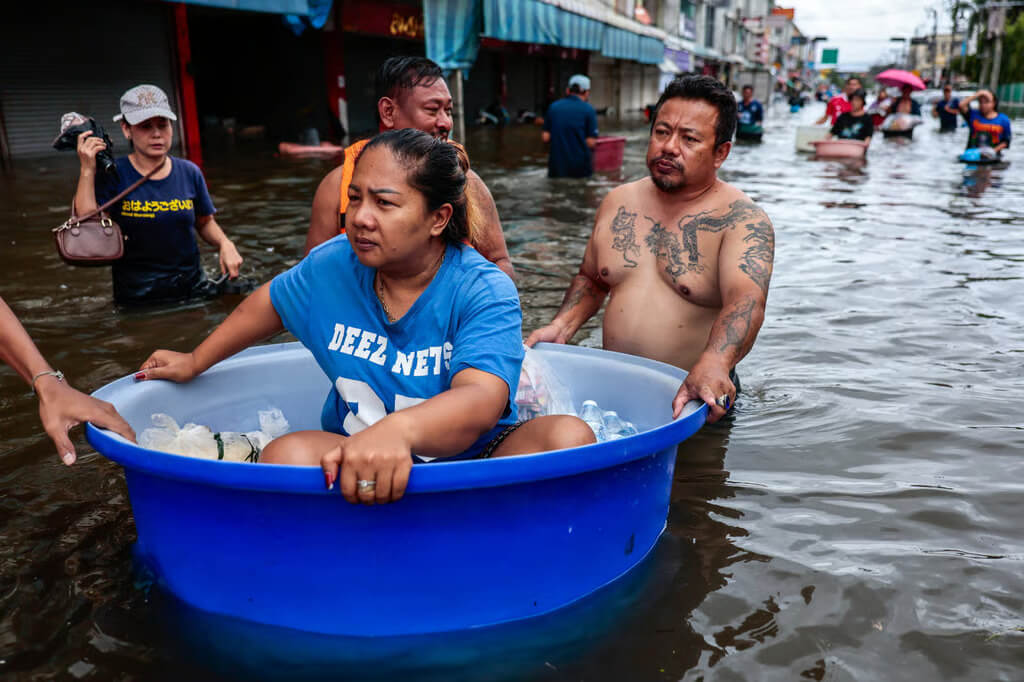
For people who must enter floodwater, authorities recommend wearing waterproof boots, avoiding walking barefoot and keeping wounds completely covered. After exposure, people should wash their hands, feet and body thoroughly with clean water and soap.
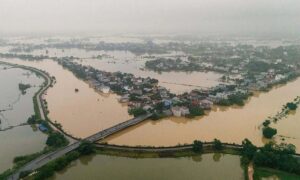
The warnings come as Bangkok and several other parts of Thailand continue to deal with widespread flooding following days of heavy rainfall. The health authorities have urged residents to closely monitor official warnings and take precautions as floodwaters recede, when contaminated water and stagnant pools can continue to pose health risks.