
Ghost Mountain: Thailand Must Not Use Calls for ‘Historical Accuracy’ to Bury Its Past
 Ghost Mountain: Thailand Must Not Use Calls for ‘Historical Accuracy’ to Bury Its Past
Thailand’s reaction to Cambodia’s film about the 1979 Ghost Mountain tragedy raises an uncomfortable question: Is the call for historical accuracy a bid to deflect blame?
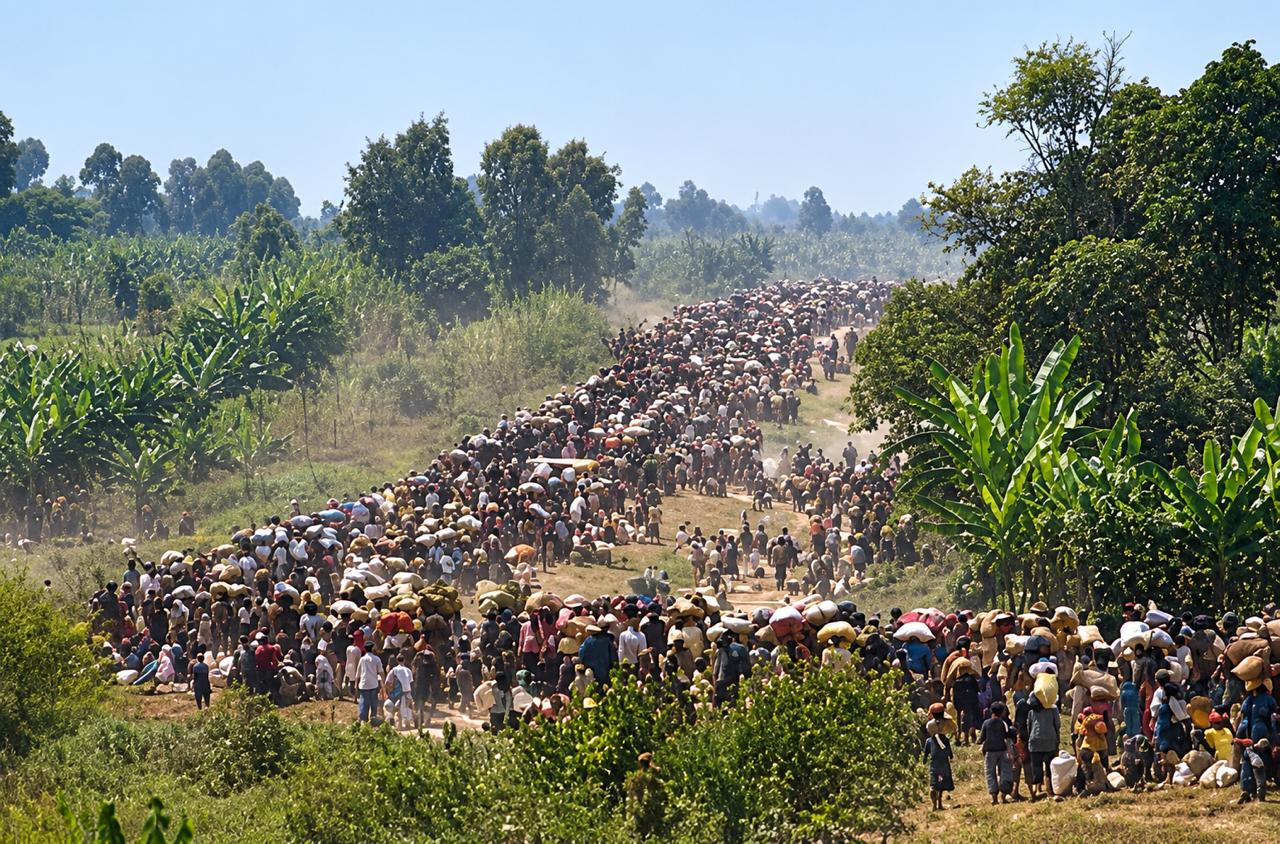
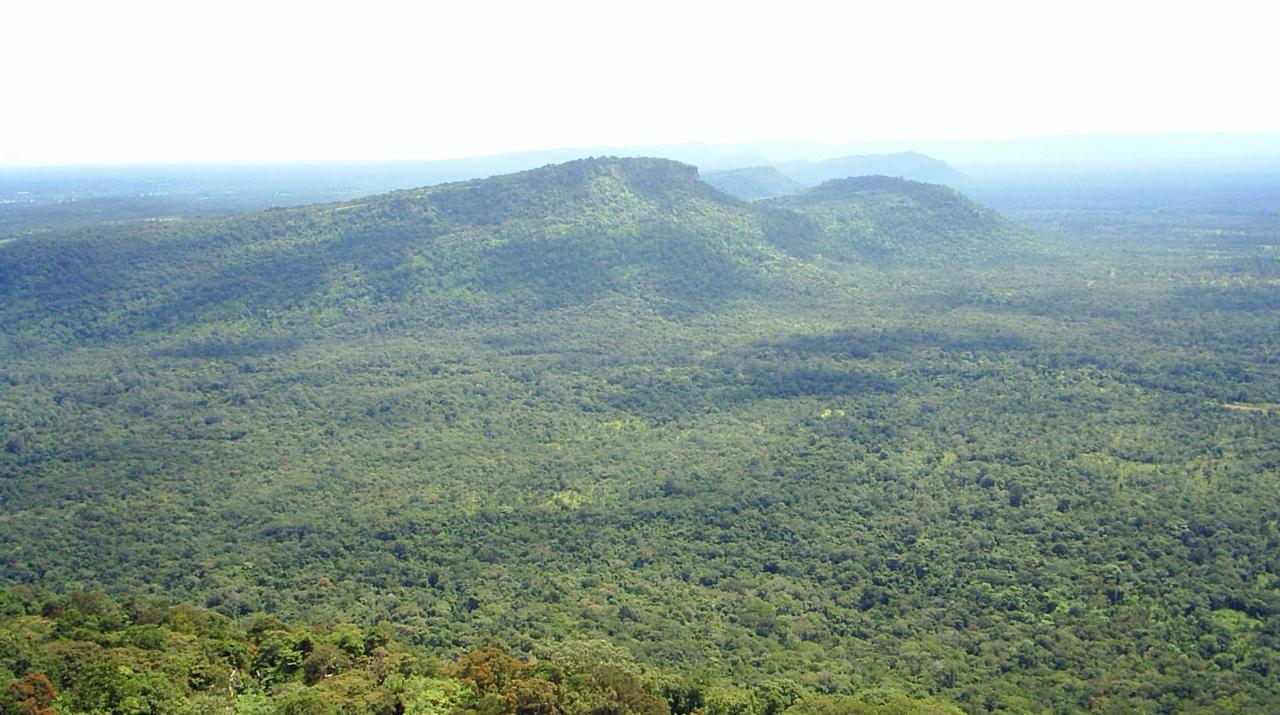
In June 1979, approximately 42,000 to 45,000 Cambodian refugees—many of them women and children—were forcibly repatriated by Thai military personnel through the Preah Vihear area of the Dangrek Mountains. Historical accounts describe refugees being transported by bus, forced at gunpoint down steep cliffs and into minefields. The reported death toll ranges from thousands to more than 10,000, although estimates vary. These events are documented in accounts of the Dangrek Incident, not merely invented for the cinema.
These were people who had already endured war, starvation and the horrors of the Khmer Rouge era. They sought refuge and protection, only to face another ordeal. The central moral question is unavoidable: what responsibility does a state bear when it forces vulnerable civilians into an area known to contain landmines and other deadly hazards?
Yet as Cambodian filmmakers revisit this tragedy, Thai officials have urged the public to distinguish historical facts from cinematic dramatization. They have also warned against allowing the film to fuel hostility between the two countries.
Of course, historical films should be scrutinized. Specific scenes, dialogue and military details must be assessed against reliable evidence. Cambodia’s filmmakers should welcome legitimate questions about accuracy. But questioning a film’s dramatic interpretation is not the same as disproving the historical event it depicts.
The danger is that a debate about cinematic details can become a distraction from the documented suffering of thousands of Cambodian refugees.
If Thailand genuinely wants historical accuracy, it should engage openly with the evidence, including survivor testimonies, contemporary reporting and historical research. It should explain its government and military’s actions in 1979 rather than allowing concerns about diplomatic relations to overshadow the victims’ experiences.
The tragedy also demands recognition of the power imbalance between armed authorities and desperate civilians. The refugees were not a military threat simply because they crossed a border seeking safety. Treating their plight primarily as a security problem cannot erase the human consequences of forced repatriation.
Cambodia, meanwhile, must preserve this history responsibly. Films can make forgotten events visible to younger generations and international audiences, but their greatest contribution is to encourage deeper investigation, not indiscriminate hatred of Thai people today.
The responsibility for historical accountability belongs to institutions and individuals connected to the events—not to an entire population across generations.
Thailand cannot undo what happened at Ghost Mountain. But it can choose how to confront that history. Calls for restraint are meaningful only when they encourage honest dialogue rather than discourage uncomfortable questions.
Ghost Mountain must not become another casualty of political sensitivity. Remembering the Cambodian refugees who were forced down those deadly slopes is not an act of revenge. It is a demand that their suffering be acknowledged, their stories preserved and the lessons of 1979 taken seriously.
History cannot be corrected by controlling the stories told about it. It can only be confronted through evidence, accountability and the courage to acknowledge the truth.
By: Keo Chesday, Affiliate Researcher at the University of Cambodia