Over 500 Bangladesh Factories Close Amid Protests for US$245 Monthly Minimum Wage
 Over 500 Bangladesh Factories Close Amid Protests for US$245 Monthly Minimum Wage
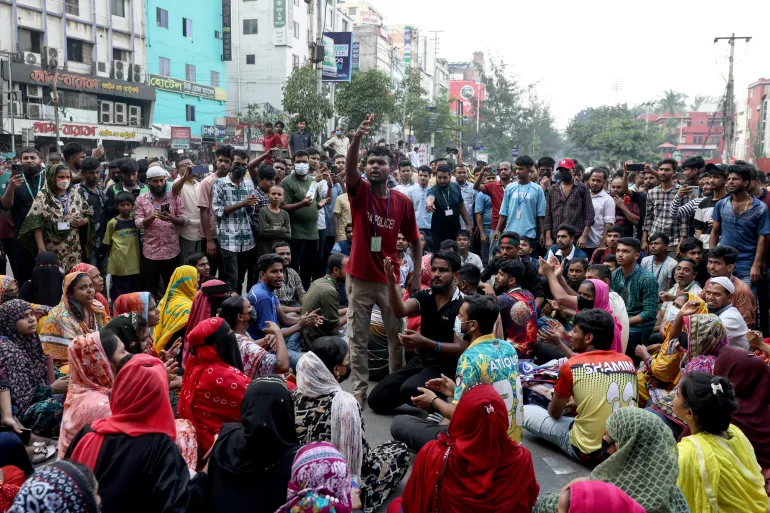
Dhaka, November 3, 2026 — More than 500 garment factories in Bangladesh have suspended operations following protests by workers demanding higher wages, raising concerns about the country’s clothing industry and its role in global supply chains.
According to Reuters, the unrest has disrupted one of Bangladesh’s most important economic sectors, which employs approximately four million workers and accounts for more than 80% of the country’s total export earnings.
The factory closures followed heated demonstrations over the weekend, as workers called for a substantial increase in their monthly minimum wages to cope with rising living costs.
Although the Bangladeshi government has moved to establish a new wage-setting committee to review workers’ pay and urged employees to return to work, tensions have yet to ease.
Workers demand more than double the current minimum wage
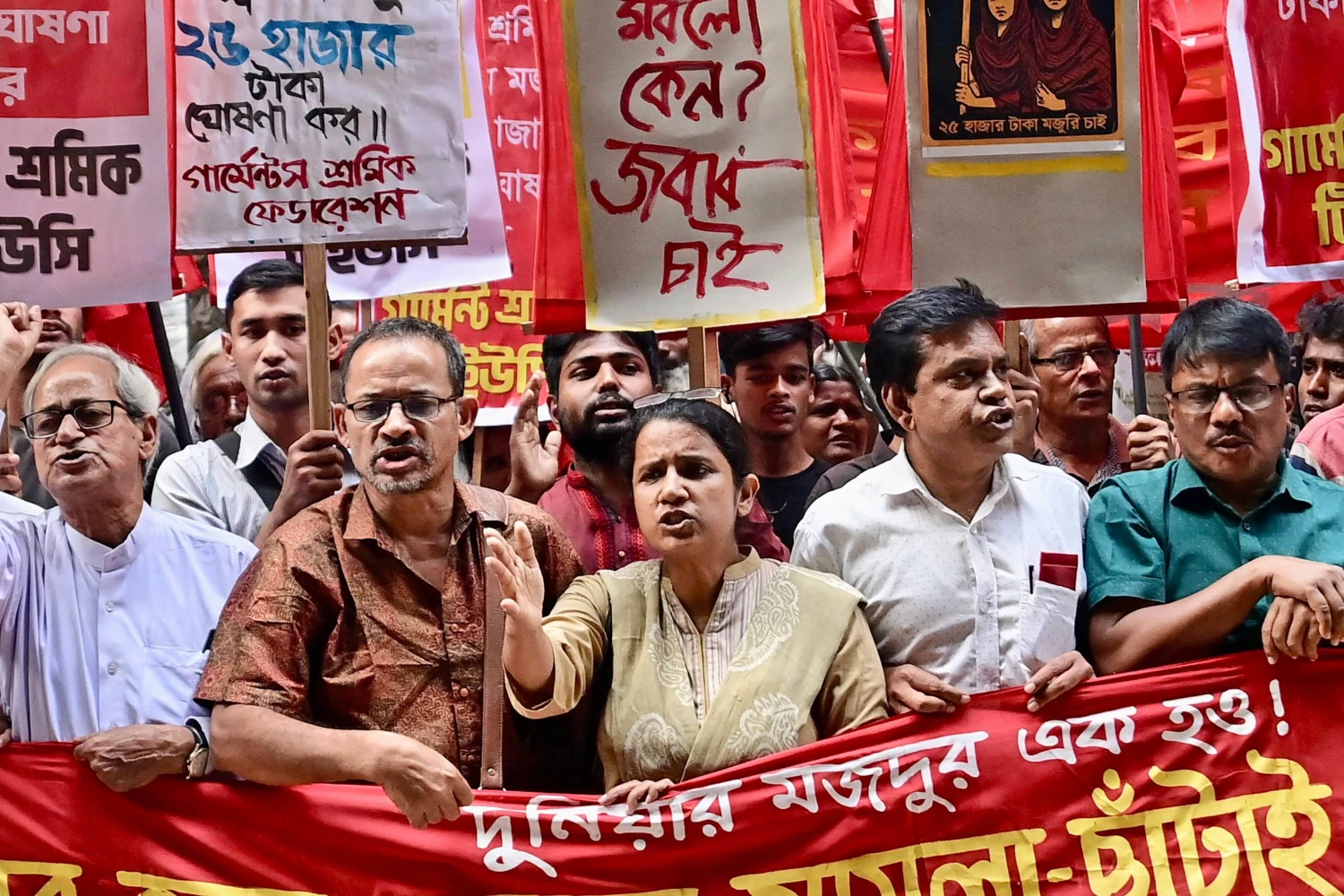
Garment workers in Bangladesh currently receive a reported minimum monthly wage of approximately US$103, an amount many say is insufficient to cover essential expenses amid rising prices for food, housing, transportation and healthcare.
Workers are demanding an increase to approximately US$245 per month, more than double the current minimum.
However, the prolonged protests and factory shutdowns have created significant disruption. According to the report, nearly one million workers have temporarily lost their jobs as more than 500 factories suspended operations.
Government warns of wider economic consequences
Bangladesh’s Labour Minister, Ariful Haque Choudhury, has warned that continued unrest could disrupt export shipments and delay payments from international buyers.
Such delays could affect both factory owners and workers, further worsening the economic difficulties facing the industry.
Bangladesh is one of the world’s major garment manufacturing and export hubs, supplying clothing to well-known international brands. Any prolonged disruption could therefore have consequences beyond the country’s borders, particularly for international buyers and global clothing supply chains.
With the government attempting to negotiate a new wage arrangement and workers continuing to demand higher pay, the future of the dispute will depend on whether both sides can reach an agreement that addresses workers’ living costs while allowing factories to resume normal operations.