US Trade Investigation Sets 18% Tariff Ceiling for Thai Goods
 US Trade Investigation Sets 18% Tariff Ceiling for Thai Goods
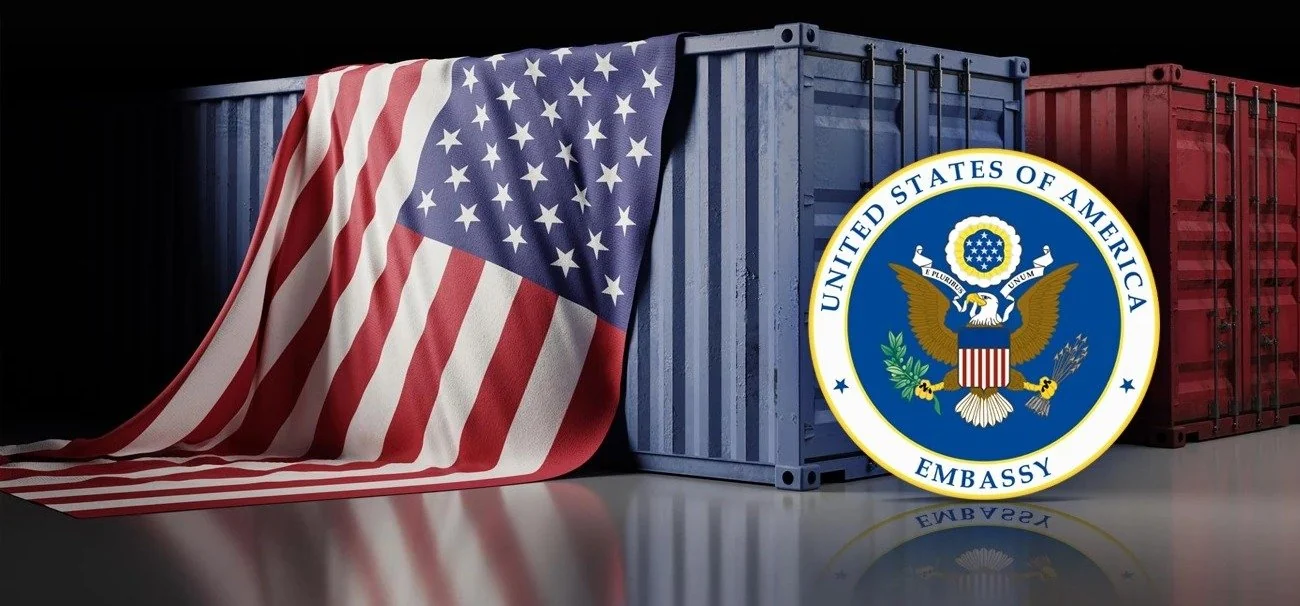
BANGKOK, November 26, 2026 — US Embassy officials in Bangkok have clarified that tariff rates proposed under the US Section 301 trade investigation are maximum limits, not duties that will automatically take effect upon publication of the findings, according to The Nation.
The officials briefed reporters ahead of the formal publication of the Office of the US Trade Representative’s (USTR) findings in the Federal Register, seeking to correct public perceptions that new tariffs would begin immediately after the report was released.
They explained that the published figures represent tariff ceilings, with the final rate potentially ranging from zero to the maximum proposed level. For example, if a country’s tariff ceiling is set at 35%, the eventual duty could be anywhere between 0% and 35%.
The officials added that the investigation covers several Southeast Asian economies and that Thailand’s findings are expected to be broadly similar to those involving most other ASEAN members.
The Section 301 process also includes a periodic “sunset review,” allowing stakeholders to submit evidence and participate in public hearings. Tariffs may be adjusted or removed as circumstances change.
USTR’s Proposed Tariff for Thailand
In its announcement on November 25, the USTR proposed considering tariffs of up to 18% on all goods from Thailand, after accounting for existing Section 301 tariffs, with exemptions for certain products.
The USTR said the proposal takes into consideration other US duties, ongoing consultations with Thailand and commitments under the US-Thailand reciprocal trade framework.
For comparison, the proposed tariff ceiling for Vietnam is up to 35%.
The USTR’s findings, as reported by The Nation, concluded that Thailand serves as a “redirect channel” for China’s excess industrial capacity.
The report identified five areas of Thai government policy underpinning the finding: industrial master plans with production and export targets; barriers to market access; preferential lending and subsidies; weak labour protections; and the open entry of Chinese imports and investment without countervailing duties.
Public Hearings and Next Steps
The USTR has set January 5, 2027, as the deadline for submitting written comments and requests to appear at public hearings. Hearings on the proposed actions are scheduled for January 25, 2027.
The proposed 18% rate remains a ceiling rather than a final tariff. The actual rate, if any, will be determined after the comment period, public hearings and further trade discussions.
As a result, Thai exports will not necessarily face an 18% tariff, and the final decision could involve a lower rate or no additional duty.