Cambodia–Thailand Maritime Talks Show Diplomacy Can Deliver Results
 Cambodia–Thailand Maritime Talks Show Diplomacy Can Deliver Results
The latest progress in Cambodia–Thailand maritime dispute negotiations offers a welcome sign that diplomacy can move forward even when national interests are complex and deeply sensitive.
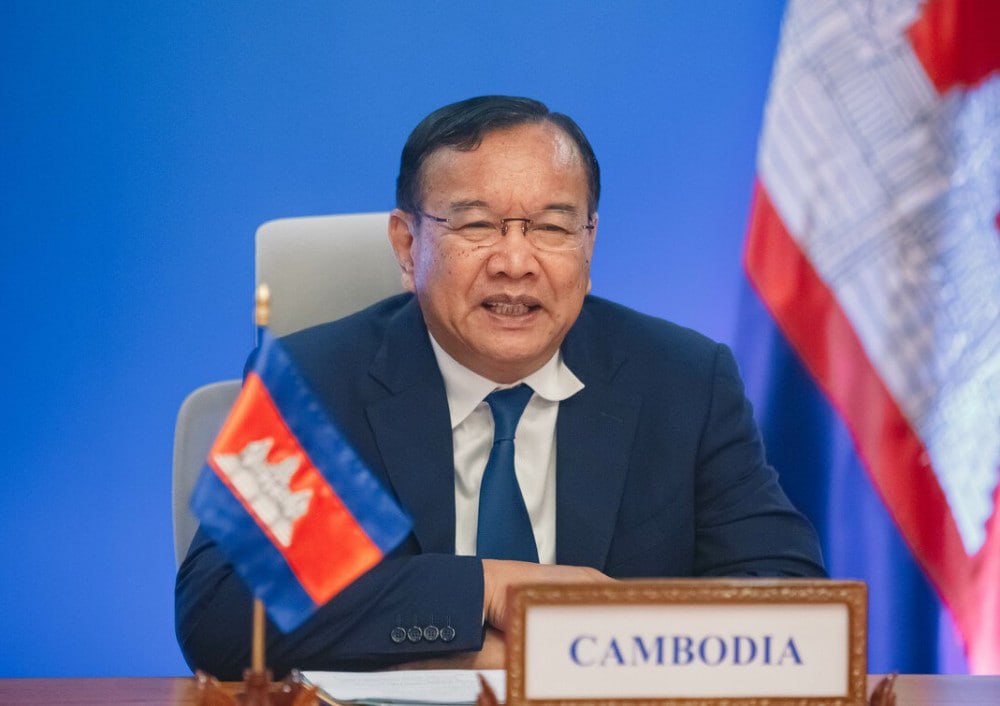
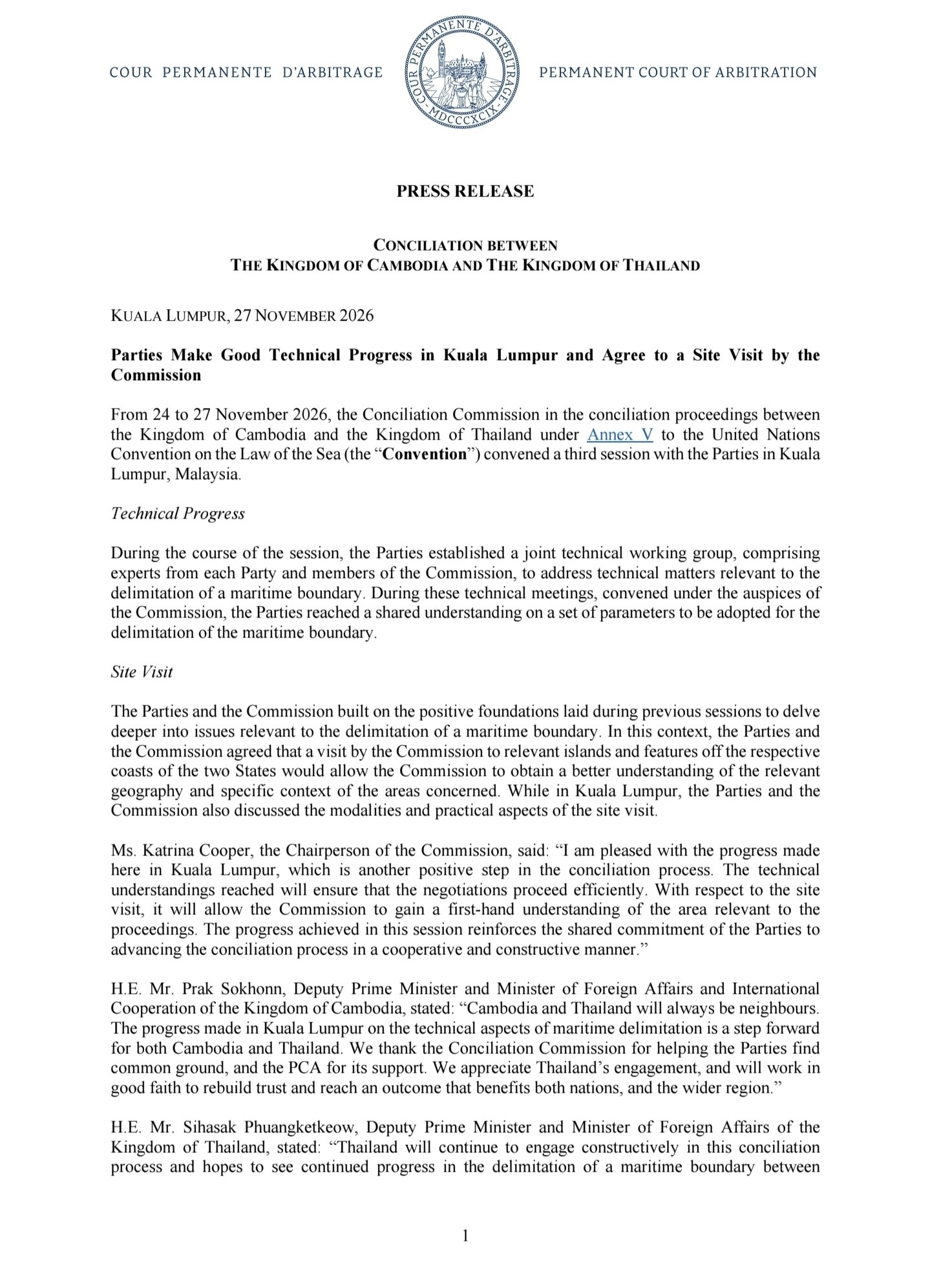
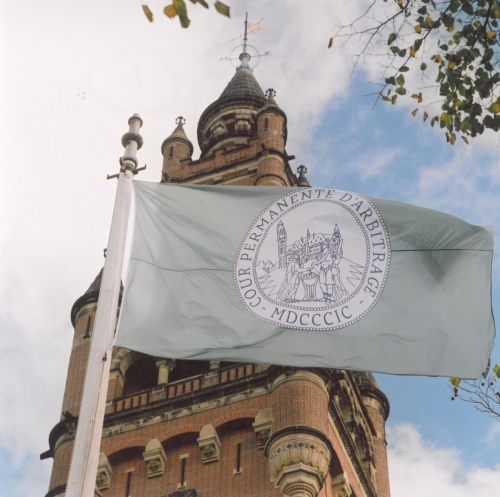
According to the Permanent Court of Arbitration (PCA), the third meeting of the Conciliation Commission concluded in Kuala Lumpur, Malaysia, on November 27, 2026. The meeting produced an important development: Cambodia and Thailand reached an understanding on several technical parameters that will serve as a basis for examining their maritime boundary. Both sides also agreed to a field visit by the commission to study the geographical features of relevant islands and offshore locations.
At first glance, these may appear to be routine technical outcomes. In reality, they represent meaningful progress.
Maritime boundary delimitation cannot be resolved through legal arguments or competing national positions alone. It requires careful examination of geographical features, islands, base points, maps and technical data, alongside the application of international maritime law.
Agreement on technical parameters does not mean that Cambodia and Thailand have settled the final location of their maritime boundary. Rather, it means that both sides have begun to establish a common framework for examining and calculating it. This shared understanding can help future discussions focus on evidence and practical solutions instead of disagreements over methodology.
The planned field visit is equally significant. The geographical characteristics of islands and coastal areas can influence legal considerations in maritime delimitation. Direct observation will allow the commission to assess these features alongside the documents and interpretations presented by both countries. However, the visit itself will not determine sovereignty or establish the final boundary. It is an investigative step intended to strengthen the commission’s understanding.
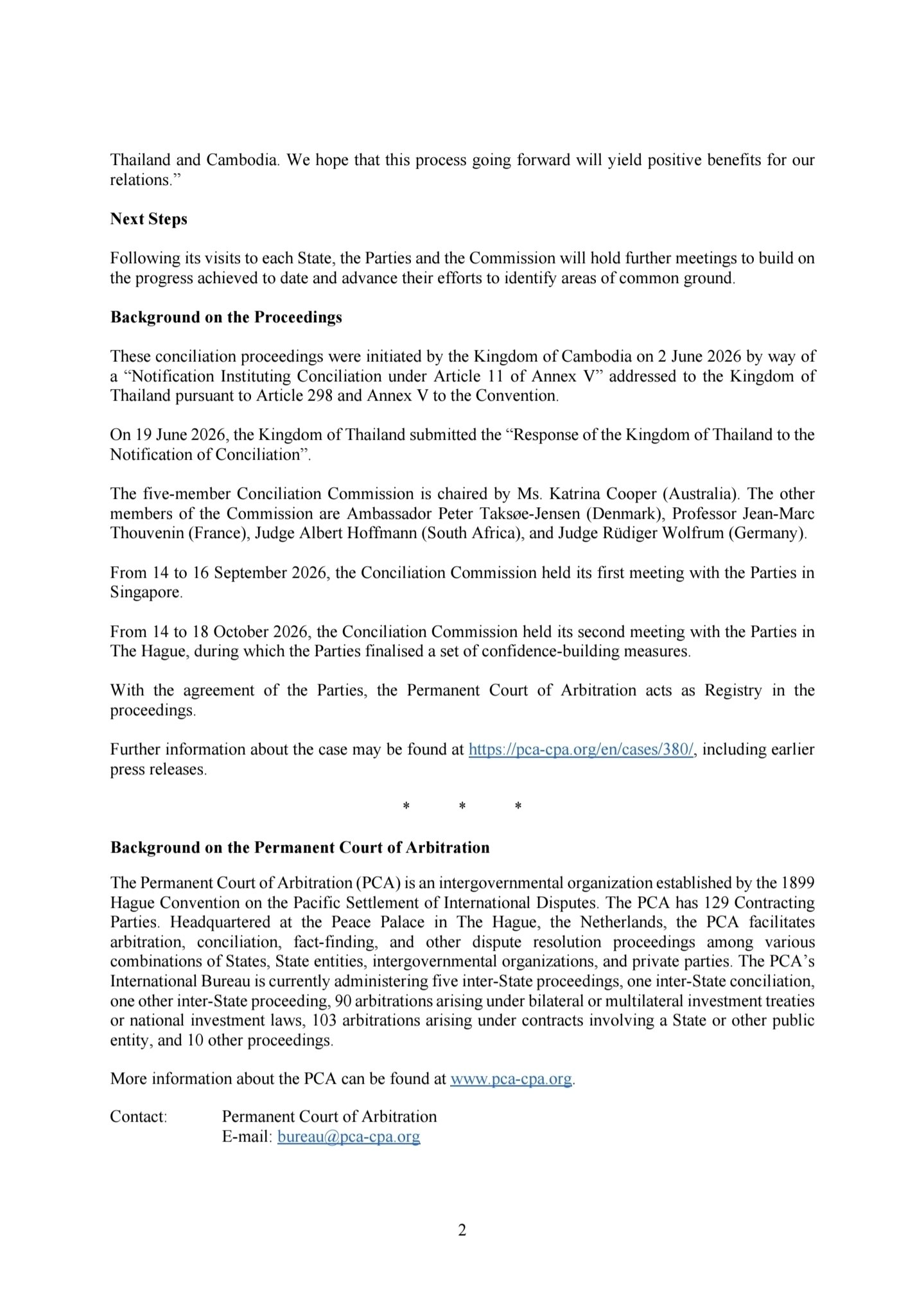
Cambodia formally initiated the conciliation process on June 2, 2026, under the dispute-resolution framework of the United Nations Convention on the Law of the Sea (UNCLOS). Following the first meeting in Singapore and the second in The Hague, where confidence-building measures were agreed upon, the Kuala Lumpur meeting has moved the process toward more concrete technical work.
For Cambodia, participating in conciliation does not mean surrendering rights or weakening its position on national interests. On the contrary, it demonstrates the use of an established international legal mechanism to pursue a peaceful and structured resolution, with the assistance of an independent commission.
The next stage will be crucial. The findings of the field visit and subsequent negotiations will determine whether the current technical understanding can translate into further progress. Reaching a final maritime boundary will require detailed discussions, patience and genuine cooperation from both sides.
Ultimately, protecting national interests is not measured by rhetoric or confrontation alone. Cambodia needs a clear legal position, a firm commitment to international law, flexible diplomacy and thorough preparation.
The goal should not simply be to celebrate progress at one meeting, but to secure Cambodia’s legitimate rights and interests for both present and future generations.
By: Pin Vichey