Is the Temporary Demarcation and Installation of Border Markers Between Boundary Pillars No. 42–47 and No. 52–59 Being Done Too Hastily?
 Is the Temporary Demarcation and Installation of Border Markers Between Boundary Pillars No. 42–47 and No. 52–59 Being Done Too Hastily?
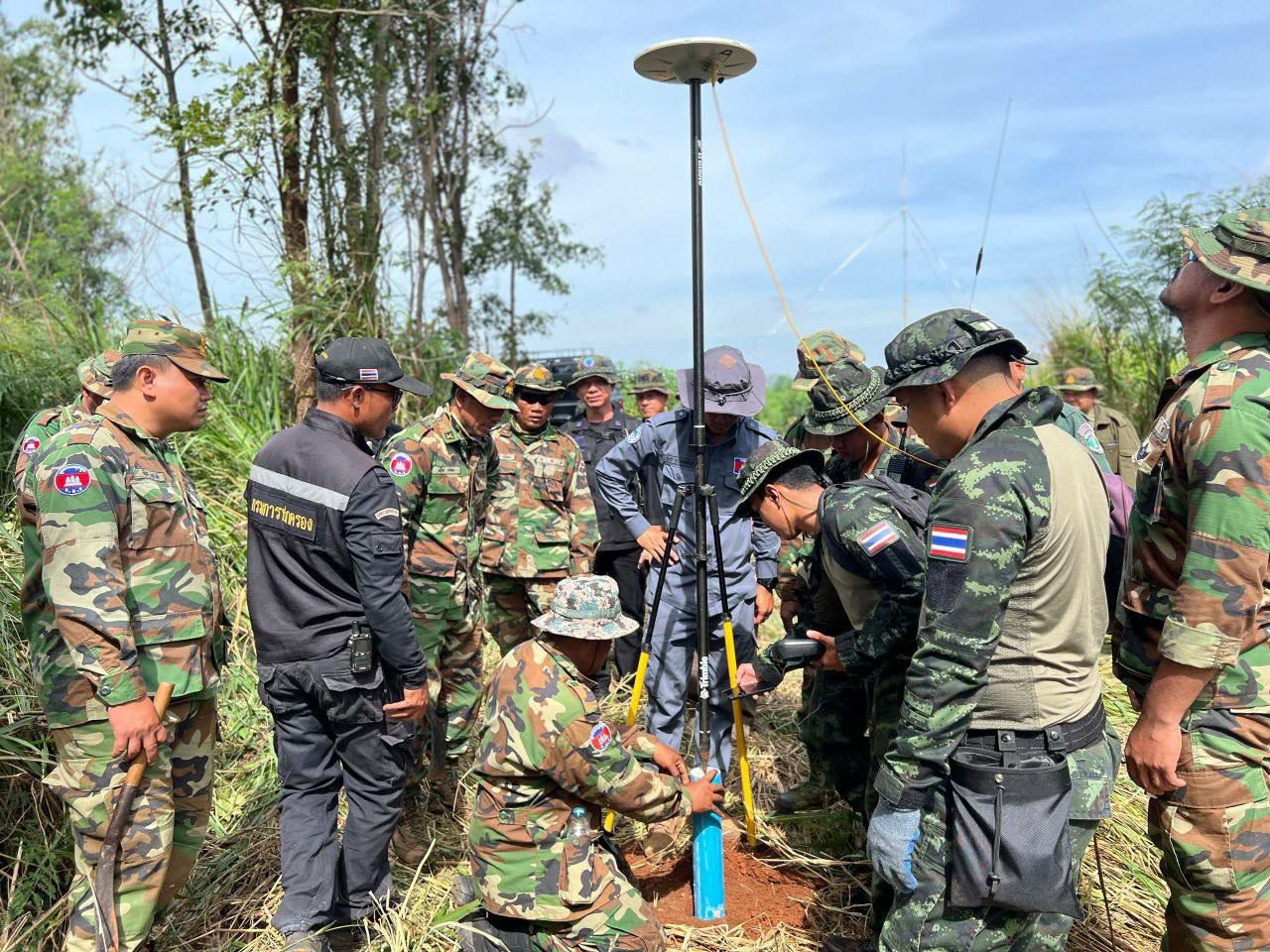
According to the official Facebook page of Prime Minister Hun Manet, published on November 25, 2025, a clarification was provided regarding the public debate, questions, and concerns over the temporary demarcation and placement of border markers. It was made clear that the Cambodia–Thailand border issue is a historically difficult and complex matter that must be based on precise technical procedures and requires a deep understanding of geography, politics, and society. Recently, the progress of this work has drawn significant attention with concerns emerging that the operation is being conducted “too quickly,” using an insufficiently short period of time for such a major task between the two countries. However, a deeper analysis based on multiple information sources and historical records of the border working group shows such assumptions are inappropriate and inconsistent with the actual circumstances.
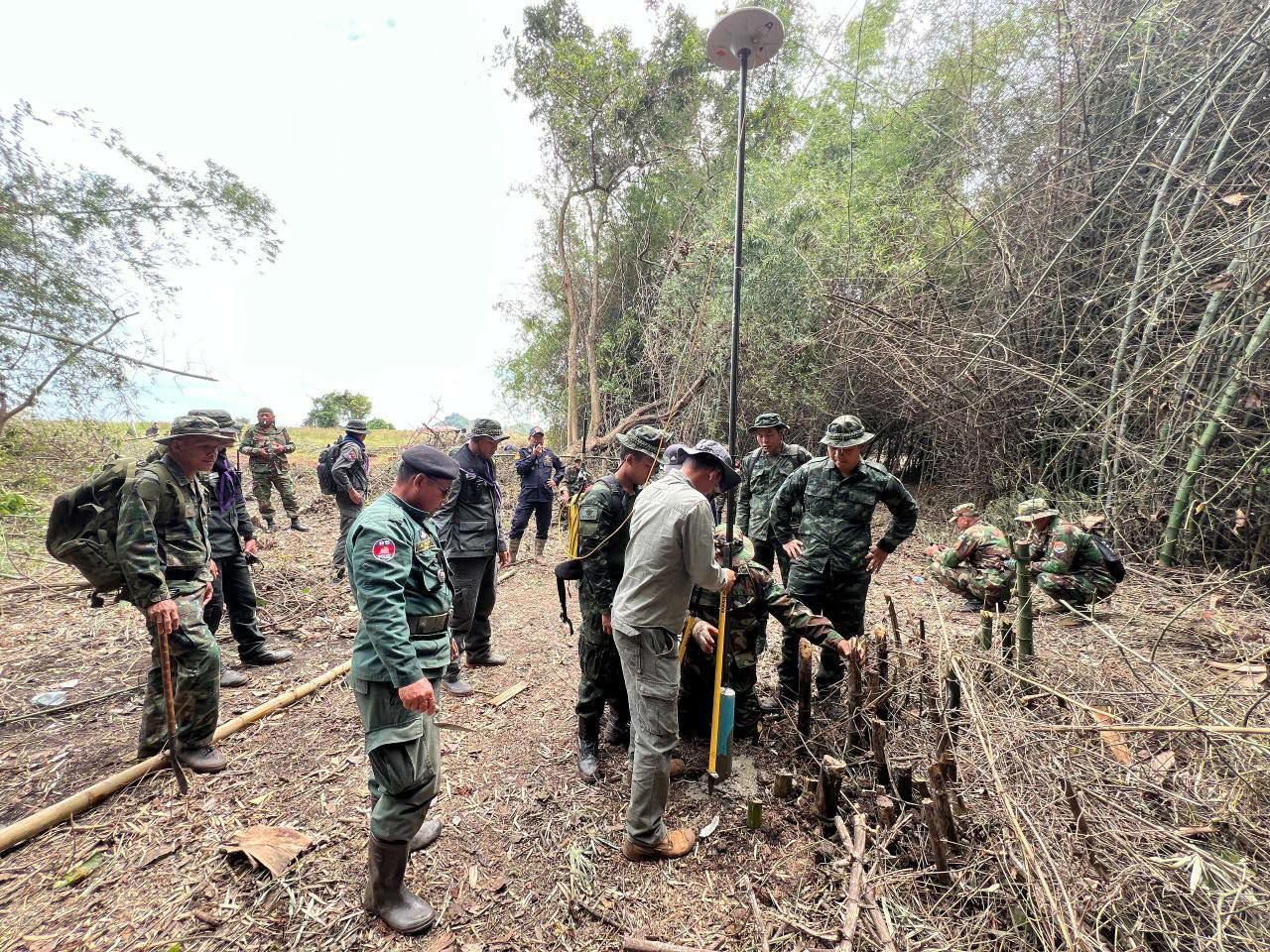
The ongoing work to install temporary border markers in the areas of pillars No. 42–47 and No. 52–59 is not a newly initiated effort, but rather the continuation of nearly 20 years of work. Since 2006, the Cambodia–Thailand Joint Boundary Commission (JBC) has consistently conducted field operations to measure and locate the original positions of 74 concrete markers installed between 1919–1920 during the Indochina–Siam Commission’s border demarcation.
The results of nearly 20 years of technical work form a solid database that helps ensure accuracy and proper conditions for establishing standardized border demarcation under modern scientific methods—such as the upcoming creation of Ortophoto maps and the use of LiDAR (Light Detection and Ranging) technology. These efforts also align with the spirit of the Joint Press Release of the Special JBC Meeting held in Chanthaburi on October 21–22, 2025.
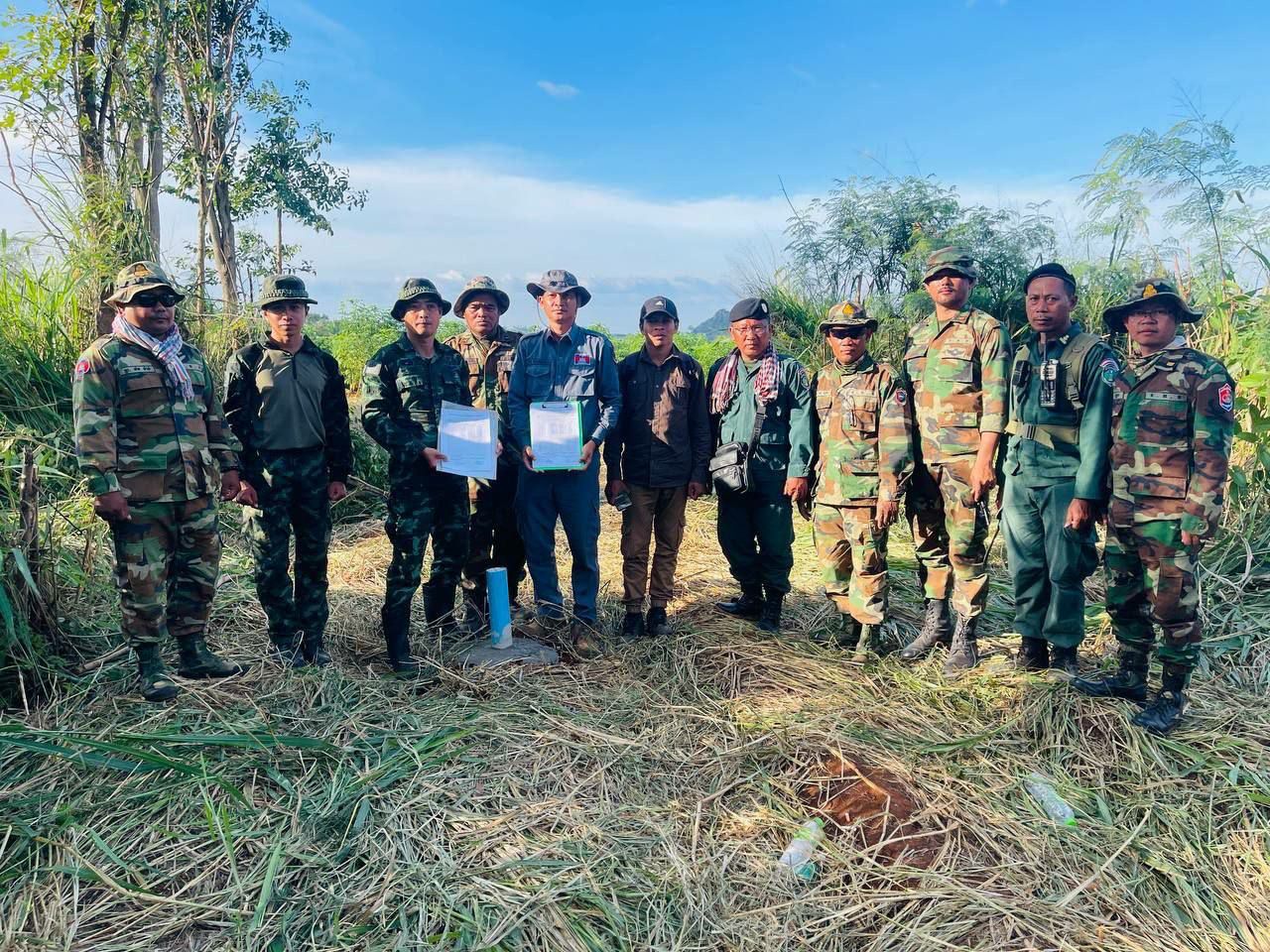
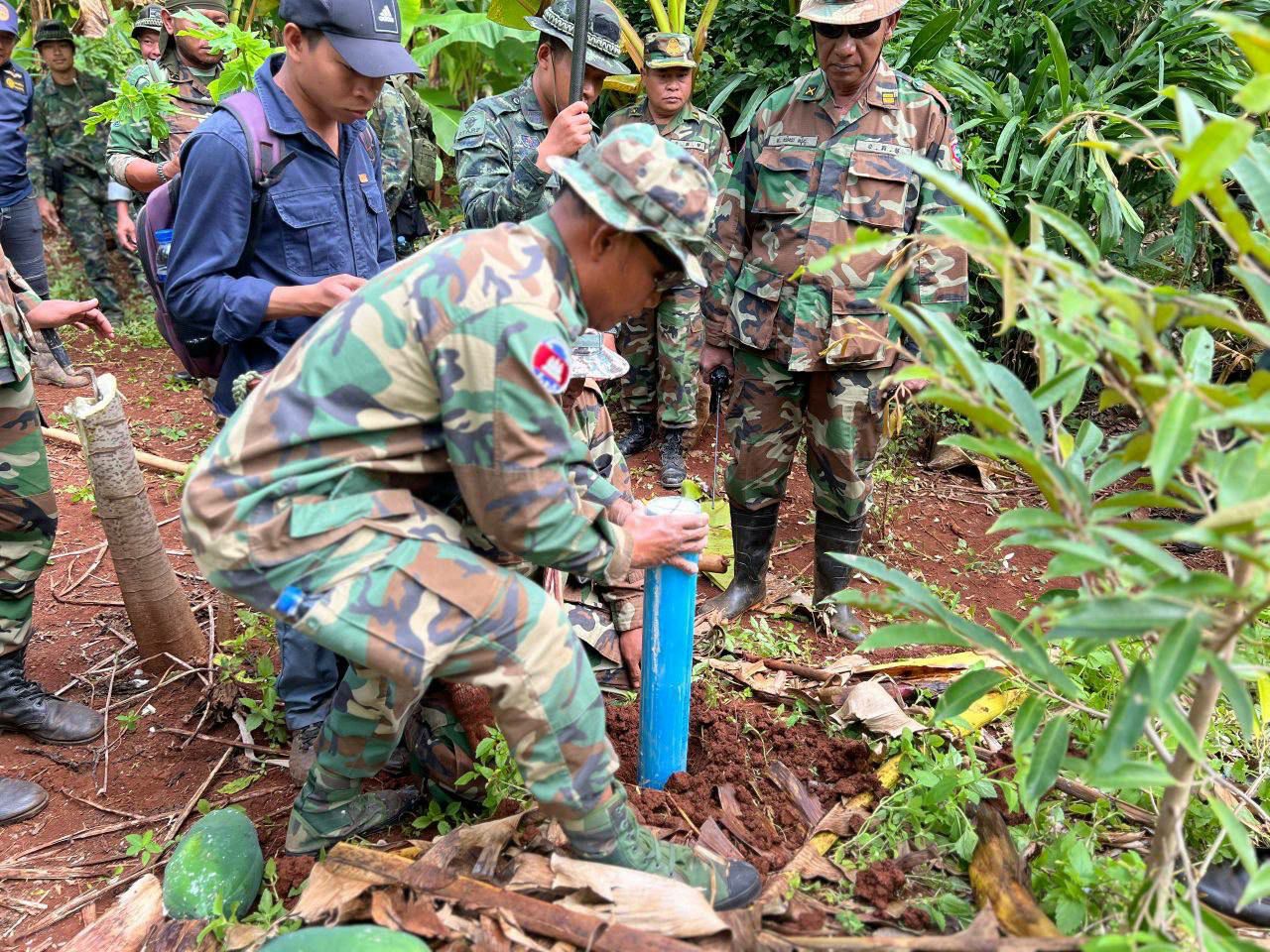
It is important to note that the work in the areas between markers No. 42–47 and No. 52–59 is not only about tracing the old locations based on maps left by the Indochina–Siam Commission. Additionally, the process has not yet reached the stage of officially installing permanent border markers on the ground. Therefore, the current temporary marker placement is not something being rushed or conducted carelessly. Instead, it is simply a continuation step built upon the mutually agreed technical framework.
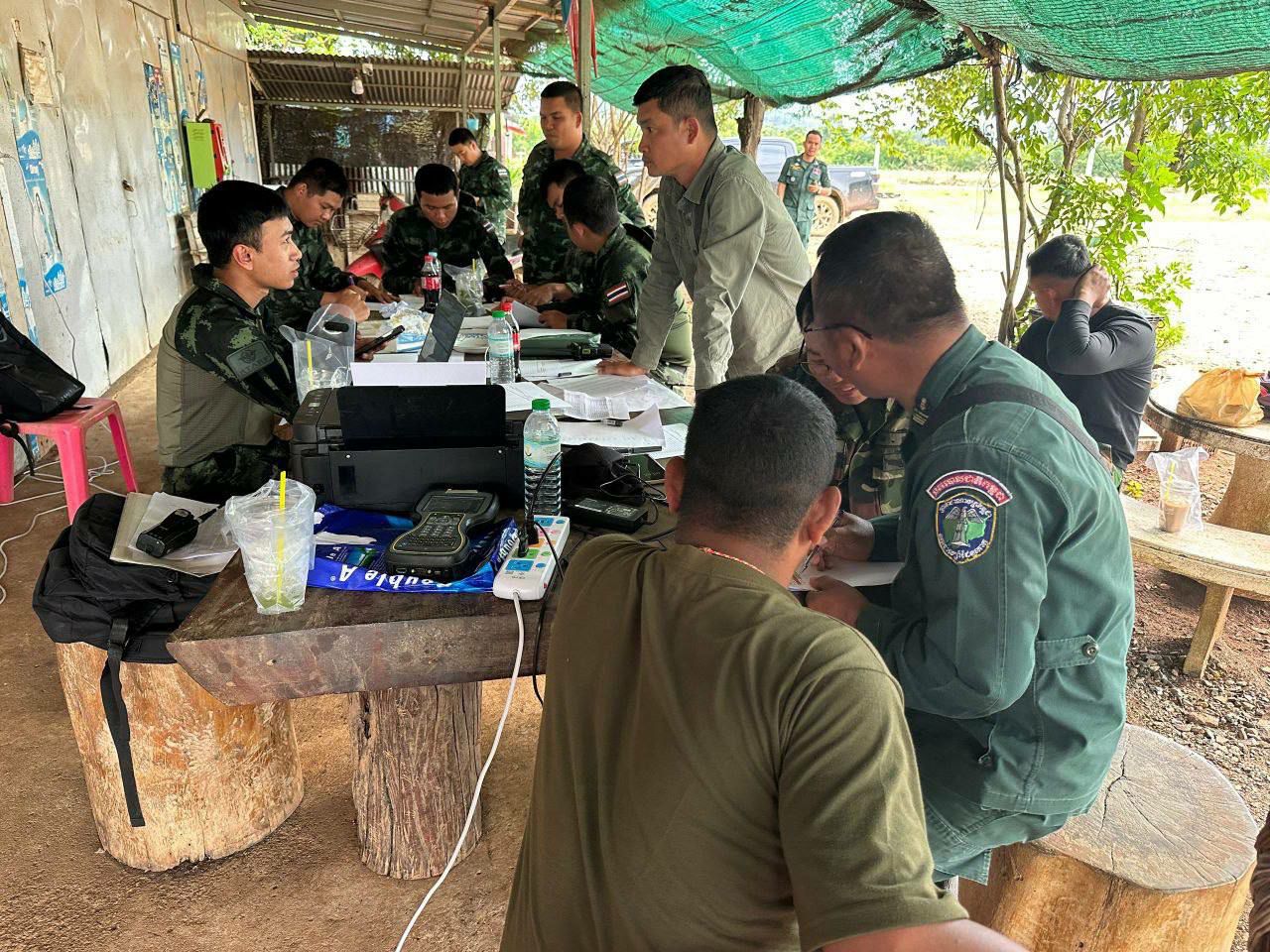
Border demarcation between Cambodia and Thailand cannot be carried out at the will of just any individual or group. It must follow established procedures that both parties have agreed on for almost two decades. Every technical step—from surveying to temporary marker placement—must be jointly approved and officially documented.
Why Temporary Border Markers Are Necessary?
Temporary marker placement is an essential step in the border demarcation process with the purpose of:
- Establishing the mutually agreed temporary boundary positions.
- Preventing unnecessary clashes that could arise from unclear territorial control.
- Preparing conditions for the official installation of historically and legally recognized permanent markers in the future.
It must be emphasized again that temporary markers are not the final step but a method to ensure correctness and smooth progress toward permanent concrete border markers.
Claims that the government is “rushing” or “taking too short a time” stem from misunderstandings of the technical process, exaggerated anxiety, lack of official information, or politically motivated narratives aimed solely at attacking the government for partisan gain.
In reality, no border demarcation work anywhere in the world can be done hastily because the technical process is complex and time-consuming. It requires repeated joint meetings, field operations, and signed official documentation between both nations.
Cambodia and Thailand have faced border disputes for more than a century. Therefore, every technically agreed advancement toward final demarcation is crucial to protect sovereignty, strengthen regional stability, improve foreign relations, and prevent future conflict. These benefits are what every nation must prioritize for the long-term well-being of future generations.
The resumption of temporary demarcation is a historic success for Cambodia. Whatever the outcome may be, Cambodians should support this progress because it is based on historical maps and treaties recognized by the United Nations and major world powers, including the United States and China. This contributes to clearer marker identification and reduces risks of future disputes with Thailand.
Accusations that the temporary demarcation and marker placement are being rushed are entirely unfounded and inconsistent with reality. Nearly 20 years of documented technical procedures prove that the work is progressing carefully and properly. The temporary installation of markers between pillars No. 42–47 and No. 52–59 is a legitimate step toward standardized international border demarcation, mutually recognized by both Cambodia and Thailand and supported by the international community.
This decision demonstrates the strong political will of the Prime Minister to protect Cambodia’s sovereignty and territorial integrity, and strengthens public trust in the government led by prime minister Hun Manet. It is a long-term, peaceful solution aimed at ending border disputes and enabling stable livelihoods for Cambodians living along the border.
Therefore, all Cambodians should have confidence in the government and the Joint Boundary Commission, which continue to uphold national interests and strictly respect international law and the border principles established by the Indochina–Siam Boundary Commission.
By: Pin Vichey – Political Science Scholar