
Pakistan–Afghanistan conflict tests China’s regional influence
 Pakistan–Afghanistan conflict tests China’s regional influence
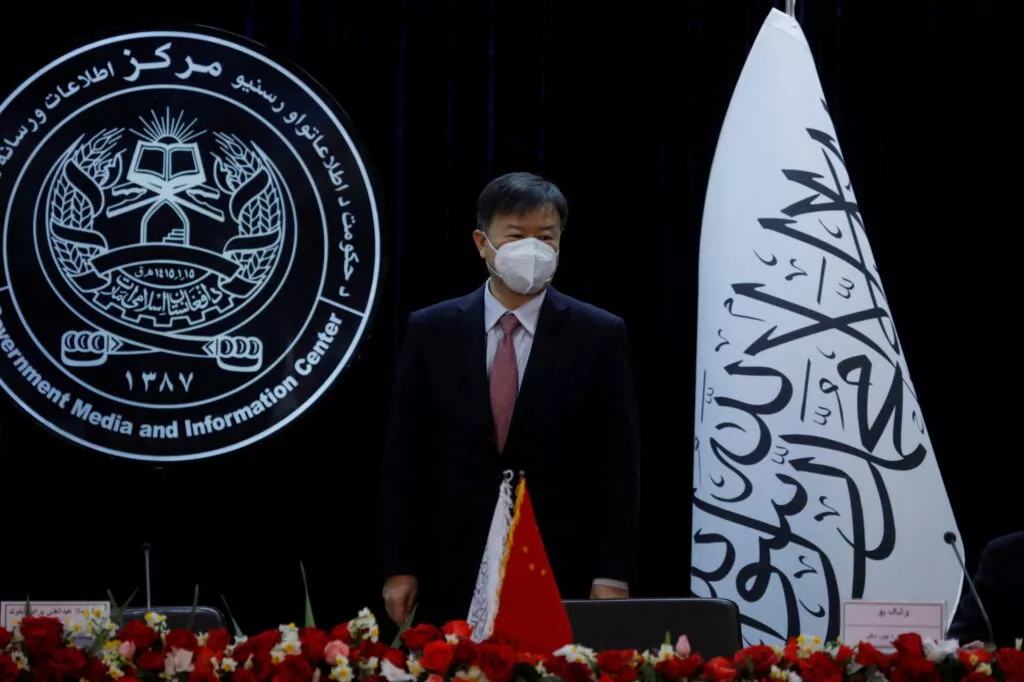
Just days after Pakistan and Afghanistan implemented a temporary ceasefire in October 2025, China urged the two countries to stay ‘cool-headed’ and exercise restraint. China’s efforts to improve ties between the two countries stem from its interest in safeguarding its security, regional investments and ambitions of regional dominance.
South Asia’s strategic environment has been altered since the India–Pakistan conflict in May 2025. India–China ties have shown signs of rapprochement. But Pakistan — China’s ironclad friend — has strengthened ties with the United States. The Afghan Taliban — Pakistan’s ally turned foe — meanwhile has sought to advance relations with India, evident from Taliban Foreign Minister Amir Khan Muttaqi’s visit to New Delhi in early October 2025. The visit notably coincided with escalating violence along the Pakistan–Afghanistan border. Amid this regional uncertainty and realignment, China has made renewed efforts to expand its diplomatic forays in the region.
China’s stakes in South Asia are high, making the latest tension between Pakistan and Afghanistan important for several reasons.
Heightened Afghan–Pakistani tensions and military clashes, including Afghanistan’s decision to close the Torkham border, threaten to delay the US$62 billion China–Pakistan Economic Corridor (CPEC), a flagship project of China’s Belt and Road Initiative. Increased hostilities could lead to a surge in militancy by Islamist groups like the Tehreek-e-Taliban Pakistan and Lashkar-e-Jhangvi, putting the security of Chinese personnel and projects in the region at risk. China’s Ministry of Foreign Affairs has urged both countries to implement concrete measures to ensure the ‘safety and security of Chinese personnel, projects and institutions’.
China also shares a border with both Pakistan and Afghanistan. A deterioration in Pakistan–Taliban ties could have a spillover effect into Chinese territory. While Beijing has cracked down on religious extremism in Xinjiang province, which connects CPEC, hostilities between Pakistan and the Afghan Taliban could embolden separatist militant groups, such as the East Turkestan Islamic Movement in Afghanistan and the Balochistan Liberation Army in Pakistan.
China shares land borders with 14 nations and has eight maritime neighbours — meaning that geography dominates its foreign policy calculations. China seeks a ‘“favourable” neighbouring environment’ to fulfil its quest of building ‘a modern socialist country that is prosperous, strong, democratic, culturally advanced and harmonious’ by 2049. Chinese initiatives and white papers, such as the Global Security Initiative and its 2025 White Paper on China’s National Security in the New Era, have notably omitted mention of South Asia. But the region remains a zone of vital importance to the country.
Beijing has long desired to influence South Asia’s security to counter India’s rise. While the two regional neighbours cooperate on issues such as climate change, strategic competition defines the China–India relationship. Rivalry between India and China has gained deeper roots as fundamental areas of discord continue to persist. Key tensions include a contentious border, the CPEC, a skewed balance of trade in favour of China and China’s efforts to block Indian initiatives to list Pakistan-based terrorists in the United Nations.
China has fortified its presence in South Asia through the Belt and Road Initiative, expanding infrastructure projects and offering financial assistance to countries in the region. As China seeks to expand its sphere of influence and become a regional norm shaper, it deems Pakistan and Afghanistan important partners. In this context, tensions between the two countries demonstrate vulnerabilities in China’s sphere of influence in the region.
China has walked a tightrope between Pakistan and Afghanistan during their conflict, steering clear of blaming either side for the clashes. As a dominant player in critical minerals, controlling over 60 and almost 90 per cent of international rare earth production and refining respectively, China eyes both Pakistan and Afghanistan as important partners for their rare earth reserves.
But Beijing’s stance of neutrality has faced several geopolitical challenges in 2025. These include Pakistan’s alleged dispatch of the first shipment of rare earth metals to the United States and India’s decision to upgrade its technical mission in Kabul to an embassy. These developments demonstrate that China’s friends are courting a wide array of partners while regional players seek diversification of rare earth supply chains to reduce dependence on China.
Flared tensions between Pakistan and Afghanistan are not new, but they demonstrate a complex reality for Beijing. As China weaves a new political and economic order in South Asia, the clash requires it to navigate through a myriad of challenges to safeguard its national interests.
While Afghanistan–Pakistan border tensions constitute a strategic setback for China, it has been advantageous for India. Potential signs of strain in the China–Pakistan relationship, New Delhi’s ramped up ties with Kabul without formal diplomatic recognition and assurances from the Afghan Taliban that the country’s soil would not be used against India all mark new gains for India vis-a-vis China in the region.
China’s quest to ensure a secure regional base that allows it to emit global power will continue steering it towards a strategy that combines political manipulation, incentives and coercion while dealing with friends and partners in South Asia. The case of the Pakistan–Afghanistan conflict is no different.
Shaheli Das is an independent foreign policy analyst based in New Delhi.
East Asia Forum