Thailand’s Army Is Preparing for a Bigger Role in 2026 — And It Isn’t Subtle
 Thailand’s Army Is Preparing for a Bigger Role in 2026 — And It Isn’t Subtle
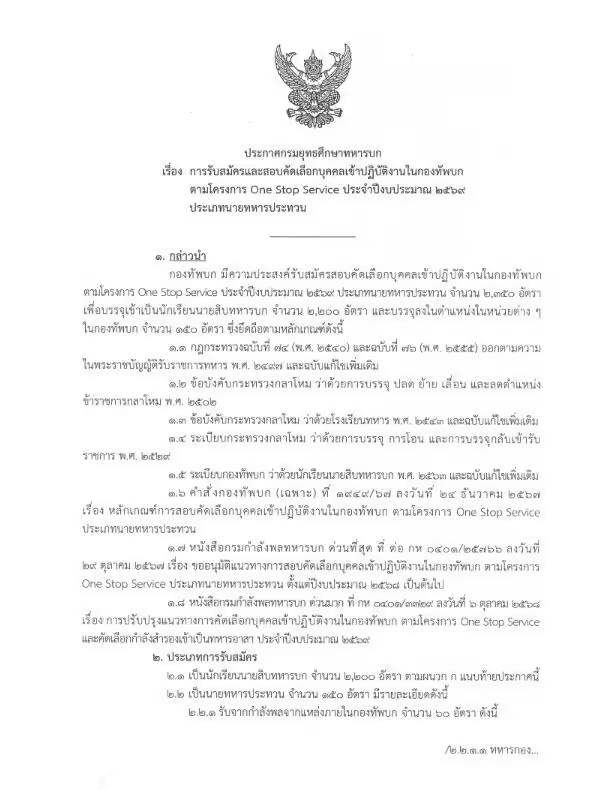
Thailand’s latest Army recruitment notice appears routine at first glance. Yet its underlying structure and pace suggest something far more consequential. At a time of economic stress, climate disasters, and political uncertainty, the Royal Thai Army is reinforcing not just its numbers — but its national posture.
A single recruitment cycle expanding more than 2,200 non-commissioned officer positions is not a bureaucratic adjustment. It is a strategic realignment. NCOs form the backbone of ground operations — border deployments, disaster response, and civil–military coordination. Armies increase these ranks when they expect greater operational demand, not less.
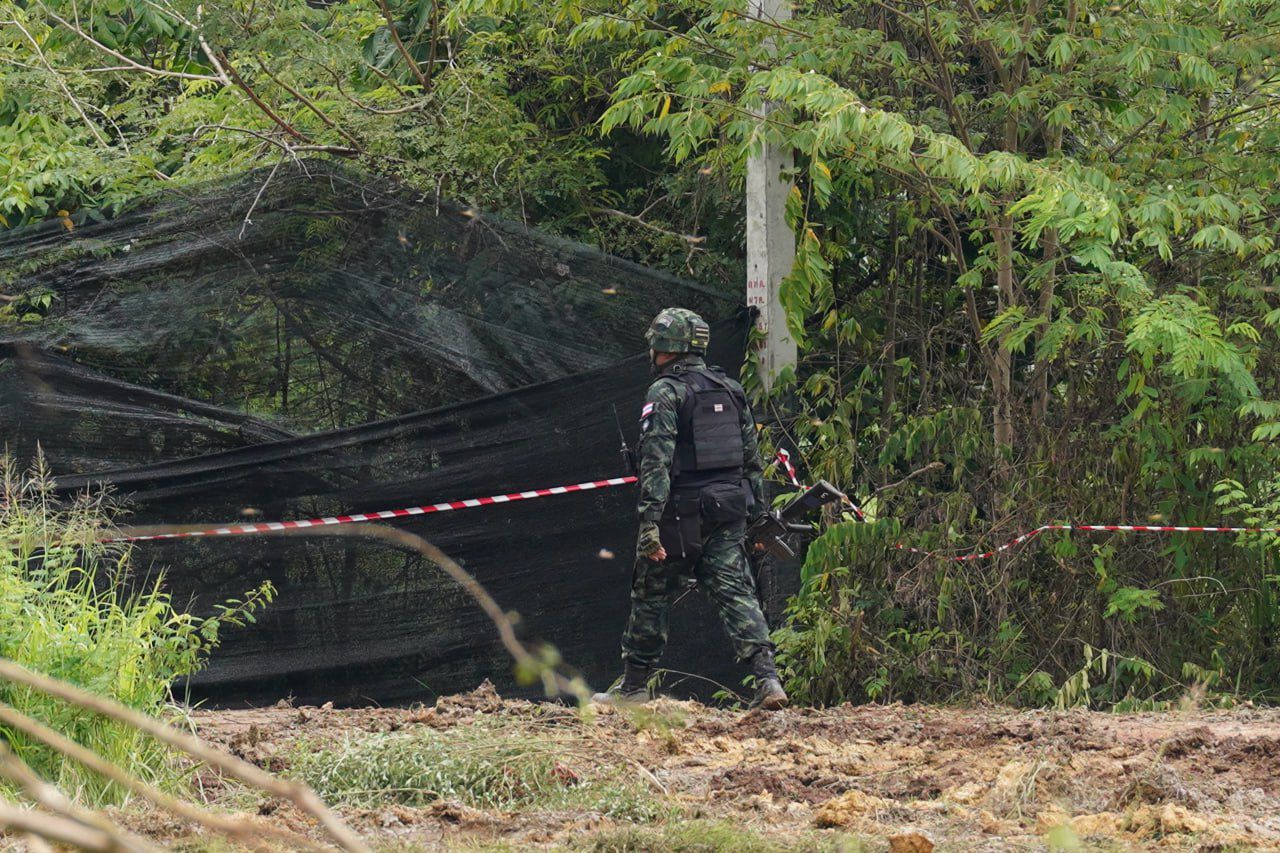
Recent floods exposed vulnerabilities across Thailand’s civilian state. Coordination faltered. Public dissatisfaction rose. Meanwhile, the Army stepped forward — not only through relief efforts, but as a more assertive voice on border affairs, sometimes projecting a tone stronger than the elected government. Visibility and manpower growth rarely occur together by coincidence.
Beneath the administrative layers — urgent orders, extraordinary documentation, tightened compliance — lies a defensive logic. The military anticipates a year of political scrutiny, contested budgets, and renegotiated authority. Over-documentation signals caution: a readiness to protect institutional ground before the political calendar resets.
Centralising recruitment under a One Stop Service system adds another layer of intent. In stable times, decentralisation prevails. In volatile ones, hierarchy pulls tight. Coordination and discipline become paramount. This shift ensures that when the Army enters 2026, it does so as one unified actor, not fragmented regional commands.
Even the expanded recruitment of female rangers and female NCOs reflects operational pragmatism, not symbolism. These roles enhance intelligence gathering, community interface, humanitarian response — areas where legitimacy matters most. It is an adaptation to modern security demands and social expectations.
Taken together, these developments deliver a quiet but firm message:
The Army expects to carry more national responsibility in 2026 — operationally, politically, and in the public eye.
Thailand is entering a period where pressure will not be applied uniformly across its institutions. Civilian ministries remain stretched. Disaster risks are rising. Border issues demand continuous attention. The military is preparing early — consolidating personnel, strengthening cohesion, and securing relevance.
This is not a warning of confrontation. It is a sign of anticipation.
A state reinforces the parts of its machinery that must not fail.
The Royal Thai Army has now made clear which institution believes it will be tested next.
Midnight