Cambodia Calls Thai Cultural Claims “Invalid,” Invokes ICJ Precedent
 Cambodia Calls Thai Cultural Claims “Invalid,” Invokes ICJ Precedent
PHNOM PENH, Feb 8, 2026 — Cambodia on Sunday firmly rejected statements by Thailand’s culture minister asserting Thai sovereignty over the Ta Krabey Temple and the Ta Mone Temple complex, saying the sites lie entirely within Cambodian territory under binding international treaties.
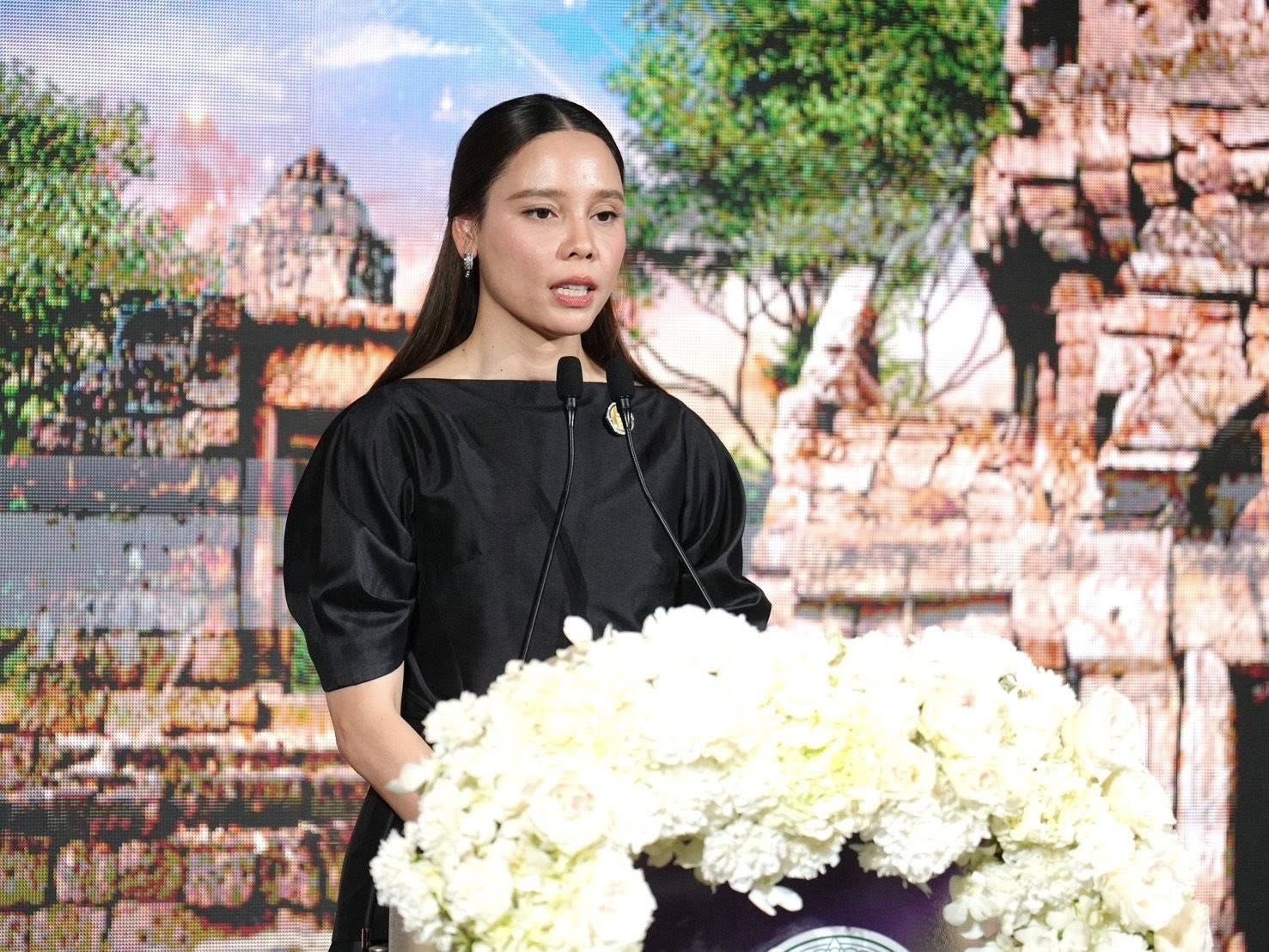
In a statement, Cambodia’s Ministry of Culture and Fine Arts said claims made on Feb. 6 by Thai Culture Minister Sabida Thaiseth had no legal basis and contradicted the Franco-Siamese Treaties of 1904 and 1907 and their annexed maps, which Cambodia said clearly place the sites inside its borders.
The ministry said the same legal framework was upheld by the International Court of Justice (ICJ) in its landmark 1962 ruling on the Temple of Preah Vihear, rejecting arguments based on unilateral registrations, domestic administrative acts dating back to 1935 or maps lacking international recognition.
Cambodia also warned that any restoration or activity conducted without the consent of the territorial state would violate the 2000 Memorandum of Understanding on land border demarcation and undermine ASEAN principles of cooperation.
The statement said the occupation or control of cultural heritage through military presence or force is prohibited under the United Nations Charter and the 1954 Hague Convention on the protection of cultural property during armed conflict.
While reaffirming its commitment to a peaceful, rules-based settlement, Cambodia called on Thailand to immediately halt all unilateral actions at the sites and said that any unresolved disagreement should be referred transparently to the ICJ rather than pursued through force or rhetoric.
Cambodia said it remains committed to safeguarding its cultural heritage and defending the integrity of its national borders.