Thai Supreme Court Rejects Appeal in Lèse-Majesté Case
 Thai Supreme Court Rejects Appeal in Lèse-Majesté Case
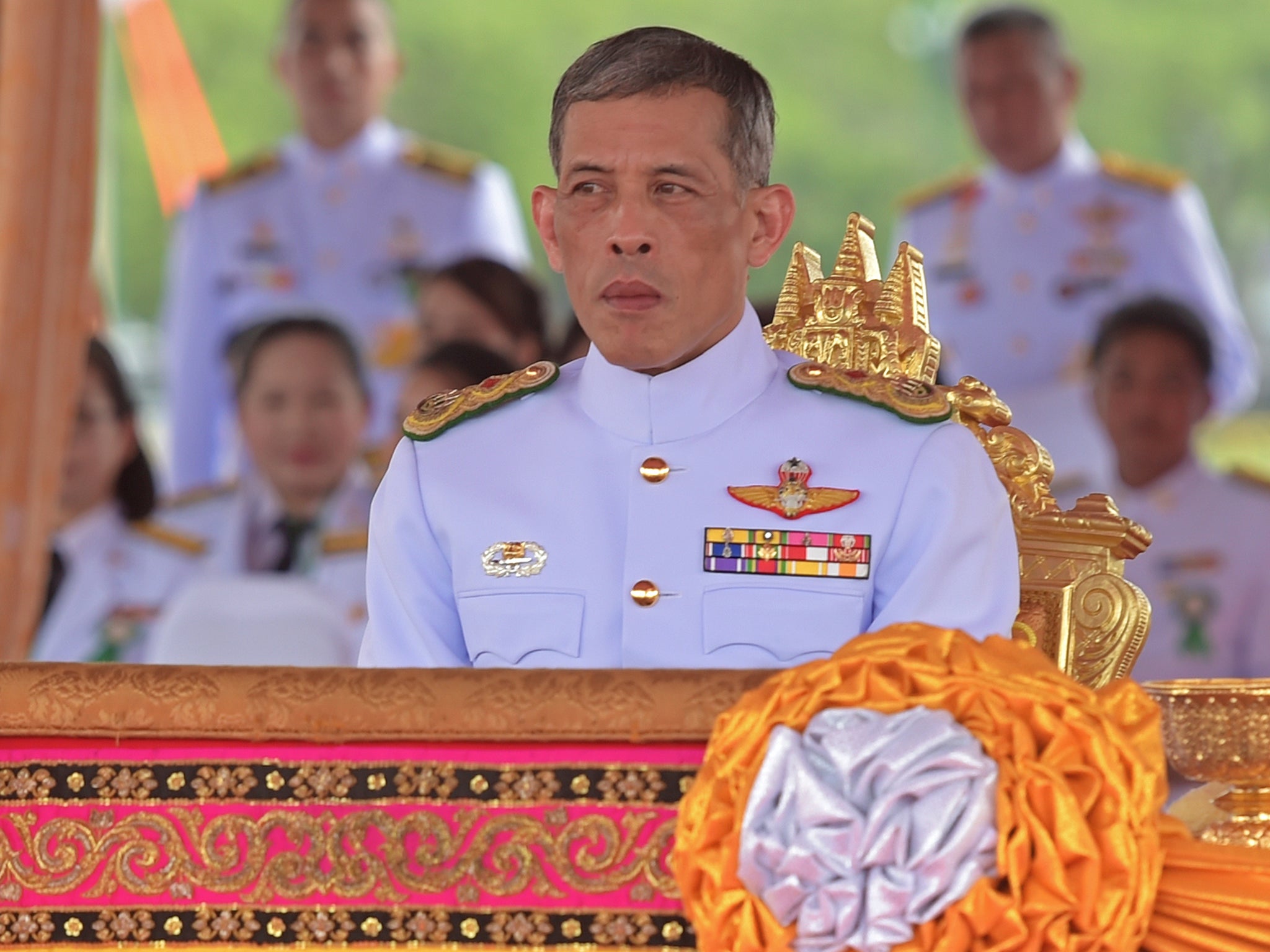
BANGKOK, Feb 24, 2026 — Thailand’s Supreme Court has sentenced a 31-year-old man to three years and four months in prison for royal defamation over a social media post referring to the late King Rama VIII, according to rights lawyers.
The court upheld an earlier Appeal Court ruling that found Wuthipat (surname withheld) guilty under Thailand’s lèse-majesté law, known as Section 112 of the Criminal Code, which carries penalties of three to 15 years in prison for defaming, insulting or threatening the King, Queen, heir-apparent or regent.
The case stemmed from a comment posted in a Facebook group discussing the monarchy, in which Wuthipat questioned historical circumstances surrounding the death of King Rama VIII and allegedly referred to the late King Bhumibol Adulyadej (Rama IX). The post was deleted shortly after publication.
A lower court initially dismissed the royal defamation charge, ruling that the law did not explicitly extend to deceased monarchs. However, the Appeal Court overturned that decision, holding that defamation of a former king could affect the current monarch and therefore fall within the scope of the law.
The Supreme Court upheld that interpretation, stating that limiting protection only to the reigning king would create a legal gap and could undermine public confidence in the monarchy, which it described as a pillar of national security.
Wuthipat’s sentence was reduced from five years to three years and four months due to his cooperation during the investigation. He was previously granted bail of 150,000 baht ($4,200) while appealing the case.
Thailand’s lèse-majesté law is among the strictest in the world and has drawn criticism from human rights groups, who say broad interpretations of the statute risk curbing academic debate and freedom of expression.
The ruling has prompted debate online, with some legal observers arguing that the court’s interpretation could have implications for historical research and public discussion of Thailand’s monarchy.