Cambodia Welcomes Thai Proposal for GBC Meeting to Ease Border Tension
 Cambodia Welcomes Thai Proposal for GBC Meeting to Ease Border Tension
PHNOM PENH, May 23, 2026 — Cambodia has welcomed Thailand’s proposal to convene a meeting of the Cambodia–Thailand General Border Committee (GBC), describing the mechanism as an important platform for strengthening mutual trust and reducing tensions along the border.
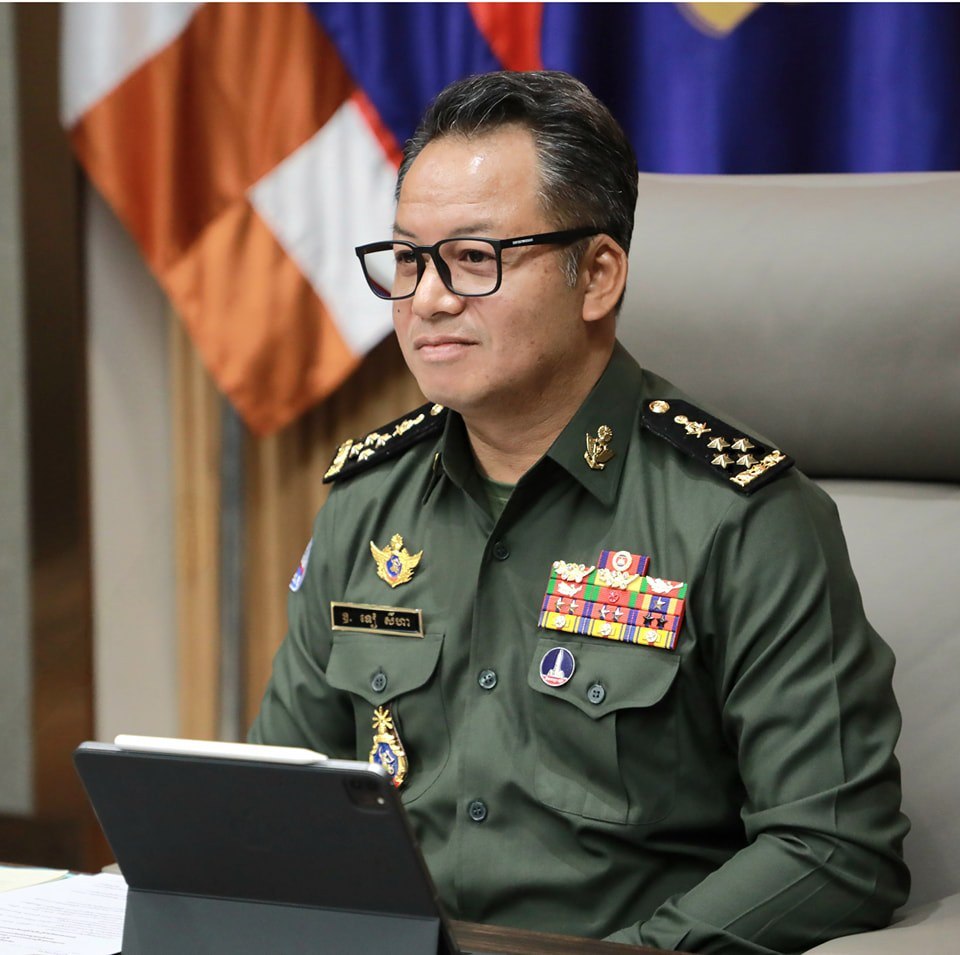
Cambodian Defence Minister Tea Seiha said Phnom Penh supported the possibility of holding the high-level bilateral defence meeting “at an appropriate time” to address border-related issues through dialogue and peaceful means.
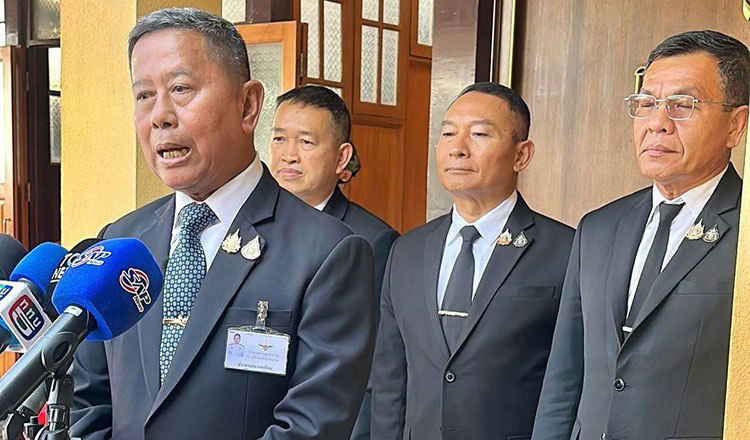
The remarks came after Thai Defence Minister General Adul Boonthamcharoen told local media that Thailand was prepared to activate bilateral mechanisms with Cambodia if the border situation continued improving.
According to the Thai minister, Bangkok plans to use existing bilateral frameworks in sequence, including the Joint Boundary Commission (JBC), the General Border Committee (GBC) and the Regional Border Committee (RBC).
He also said a GBC meeting between the defence ministries of both countries would not necessarily need to wait for a prior JBC meeting under the foreign ministries, adding that both mechanisms could proceed in parallel if the current atmosphere remained positive.
Responding to the comments in remarks carried by Khmer Times on Friday, Tea Seiha said Cambodia welcomed “the initiative and possibility” of organising a GBC meeting between the two defence ministers.
He said such talks could help strengthen mutual confidence, reduce tensions and resolve outstanding issues through dialogue and peaceful measures.
Tea Seiha added that Cambodia also hoped future meetings of the JBC and RBC mechanisms would be organised successively to further promote cooperation, confidence-building and stability management along the border.
Relations between Cambodia and Thailand have remained sensitive following armed clashes and border tensions in 2025, although both governments have repeatedly stated their commitment to resolving disputes peacefully under existing bilateral agreements and international law.