Cambodia Maintains Ban on Electronic Waste Imports
 Cambodia Maintains Ban on Electronic Waste Imports
PHNOM PENH, 29 June 2026 — Cambodia has reaffirmed its ban on the import of electronic waste (e-waste), saying the measure remains a key part of the country’s efforts to protect the environment, natural resources and public health from long-term pollution and hazardous waste.
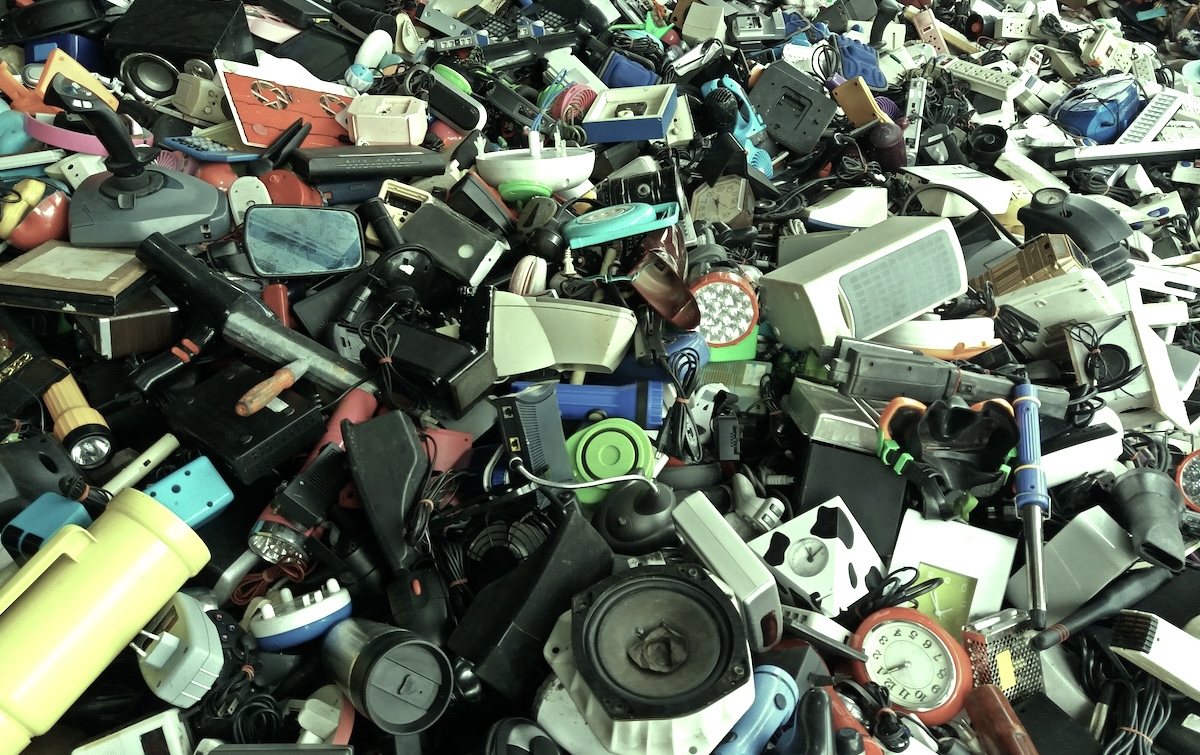
According to the Ministry of Environment, e-waste includes discarded or obsolete electronic devices such as computers, televisions, mobile phones, printers, household appliances, batteries and other electrical equipment. While some valuable materials can be recovered, officials said only about nine percent of e-waste components can generally be recycled in a way that is economically viable.
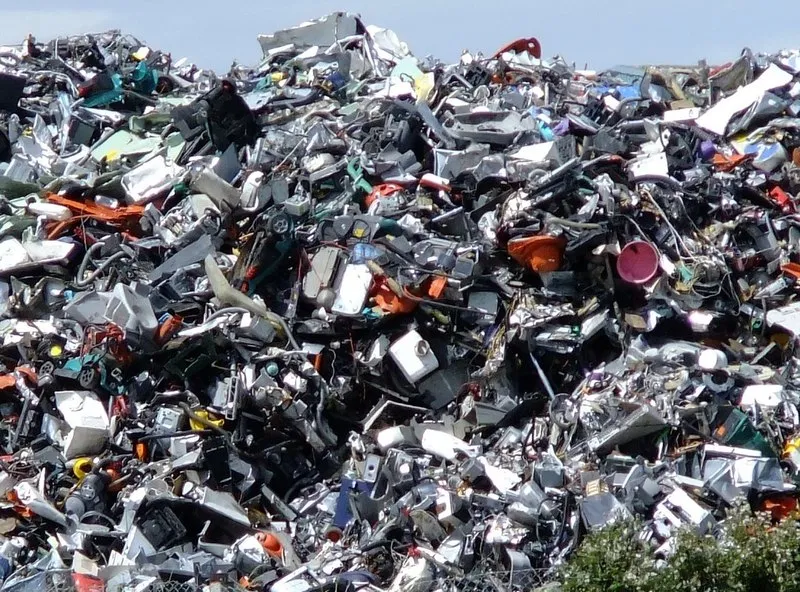
The ministry said the remaining materials require advanced recycling technologies, specialised treatment and environmentally sound disposal methods, all of which are costly and technically demanding. Improper handling of e-waste can release hazardous substances into soil, groundwater, rivers and the atmosphere, causing long-term environmental contamination and posing serious risks to human health. In many cases, restoring polluted areas is expensive and, in some instances, the damage may be irreversible.
Officials stressed that Cambodia will not allow the country to become a dumping ground for foreign electronic waste and will continue to strictly enforce the ban on illegal e-waste imports.
At the same time, the ministry acknowledged that domestically generated e-waste is increasing as technology use expands across the country. Authorities are therefore considering national initiatives to strengthen Cambodia’s capacity to collect, manage and recycle locally generated e-waste safely and efficiently, while minimising environmental risks. The ministry added that preventing pollution remains the most effective approach to preserving Cambodia’s environment and protecting its natural resources for future generations.