After the Ceasefire: The Struggle Between Territorial Power and Legitimacy in the International Order
 After the Ceasefire: The Struggle Between Territorial Power and Legitimacy in the International Order
In an international system grounded in law, any country that continues to occupy another state’s territory after a ceasefire is not preserving peace, but rather undermining it and paving the way for renewed conflict. Thailand has employed silence and delay as political weapons to prolong its encroachment on Cambodian territory—actions that cannot conceal the truth indefinitely.
The interview given by Cambodian Prime Minister Hun Manet to Reuters constituted one of the most direct and forceful messages ever delivered to the international community: Thailand is violating the ceasefire and continues to occupy Cambodian territory by force, while Cambodia has fully complied with the ceasefire agreement and has consistently relied on the agreed-upon mechanisms for resolving border disputes as stipulated in previous arrangements. This was not political rhetoric, but a factual description of realities on the ground—realities that Thailand cannot refute through words alone.
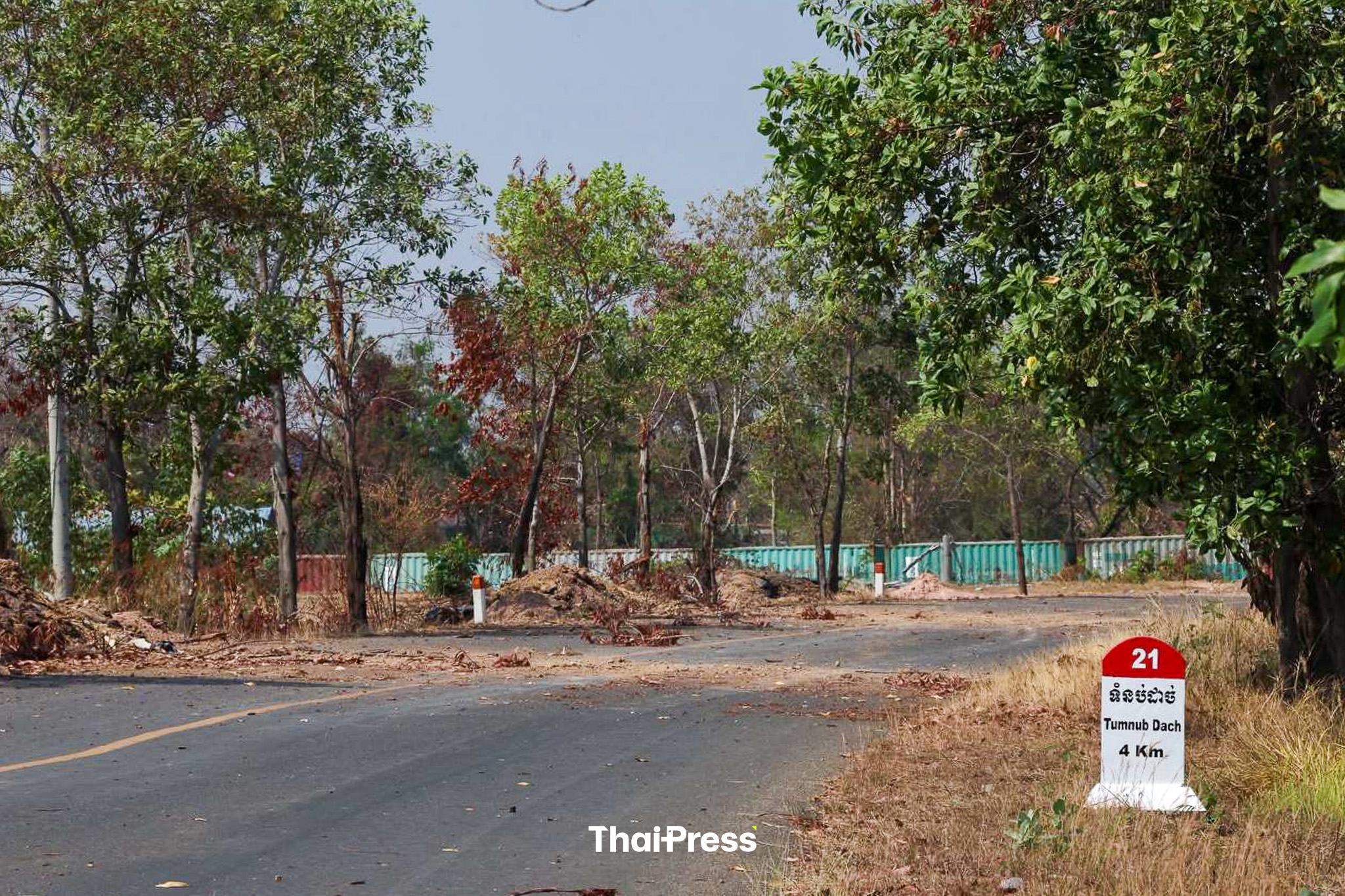
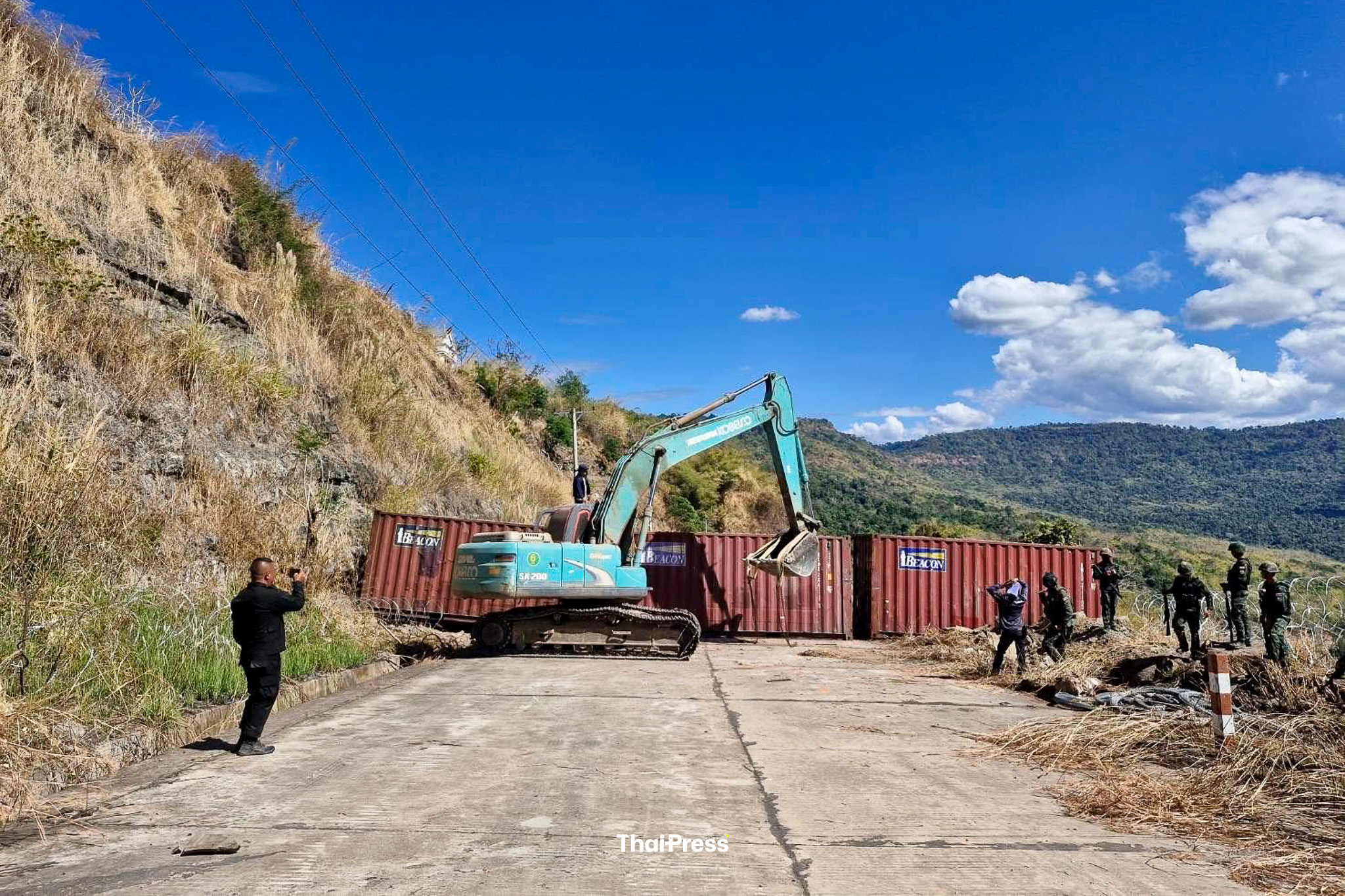
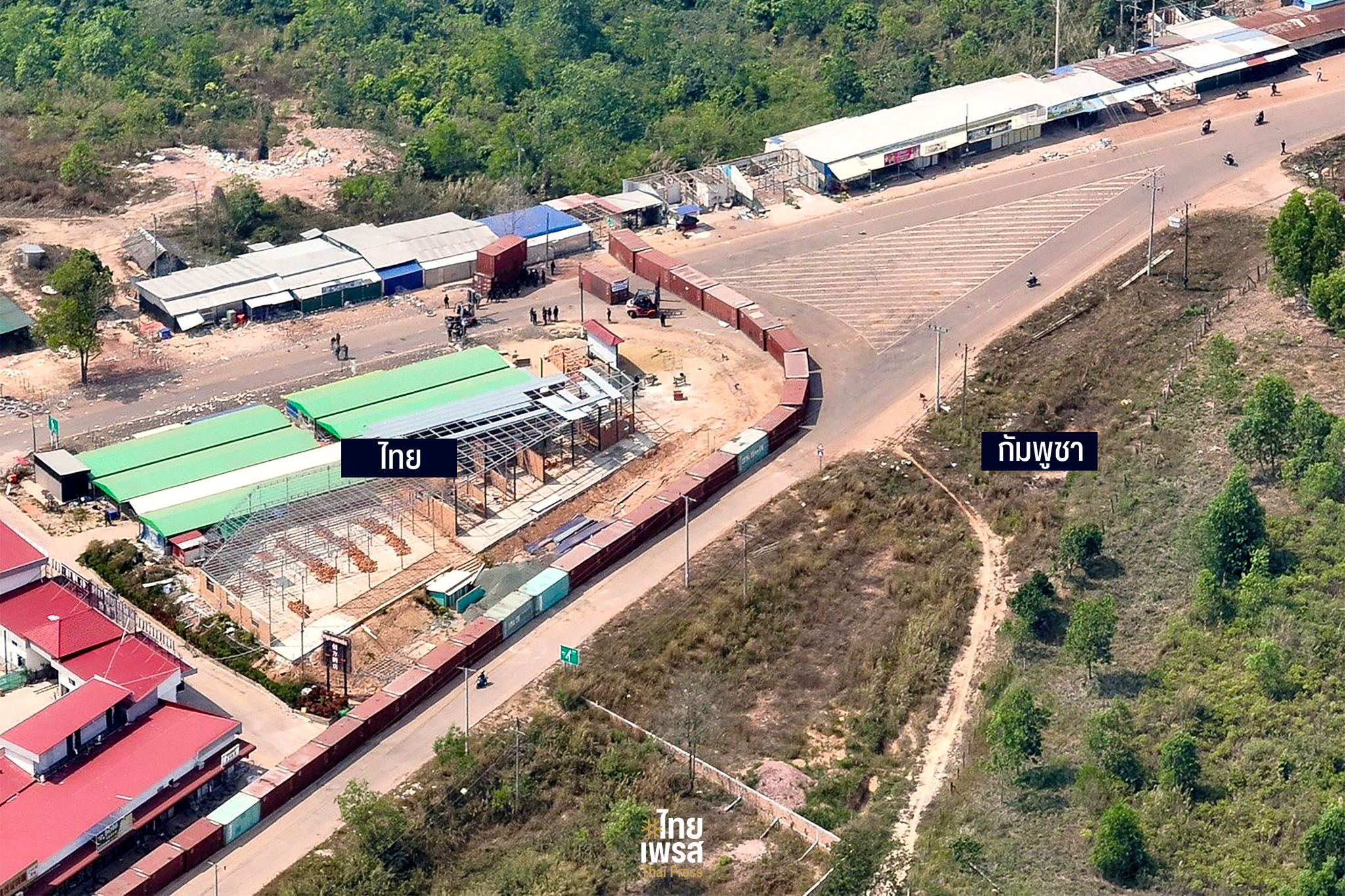
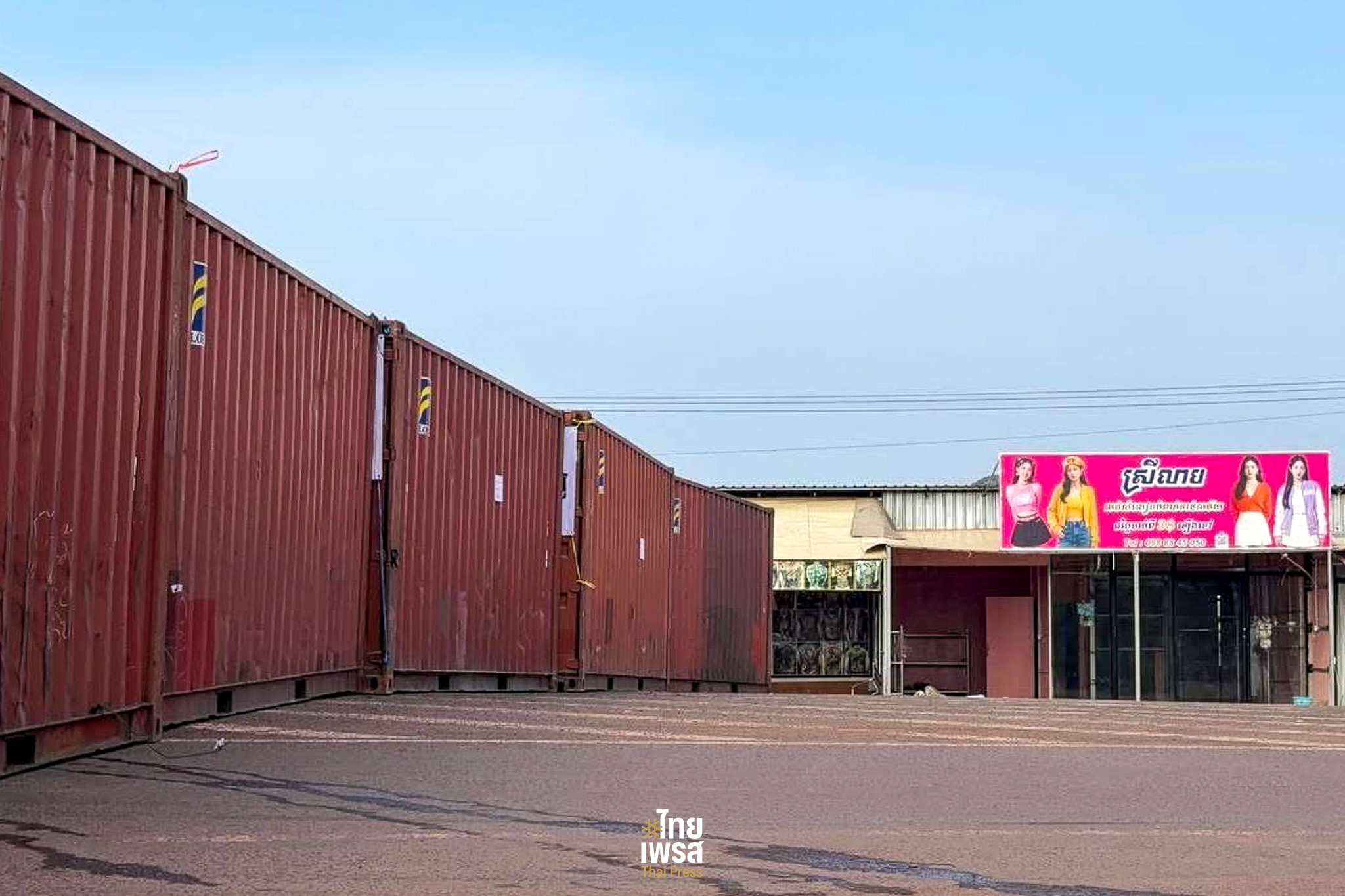
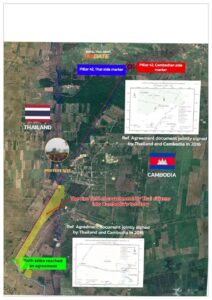
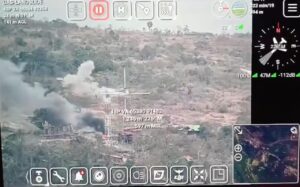
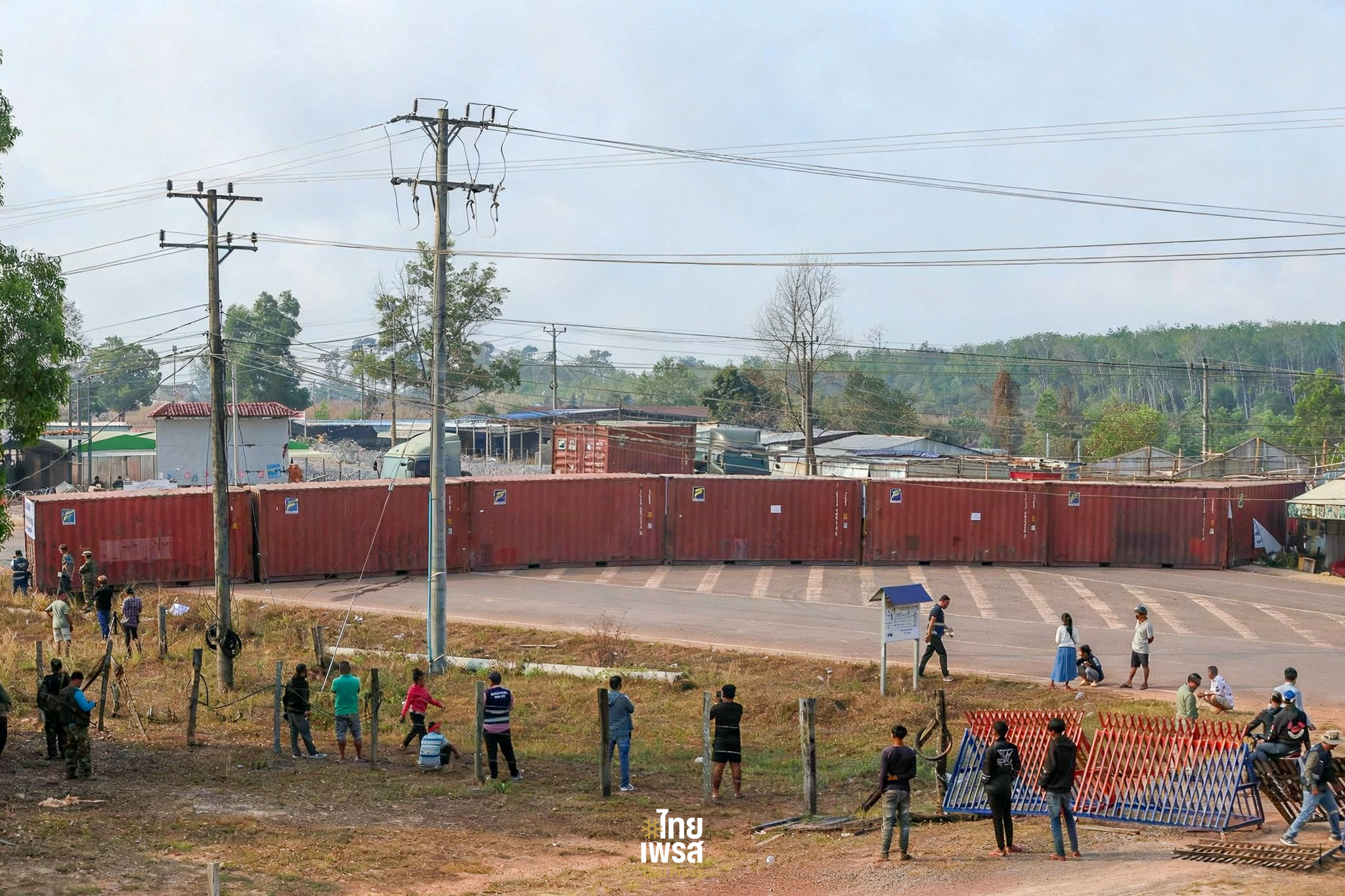
Despite the fighting in 2025 and the ceasefire reached on 27 December 2025, Thai forces have not withdrawn from Cambodian territory. On the contrary, they have advanced further and entrenched themselves deeply within Cambodian land by installing container structures, barbed-wire fences, and blocking displaced civilians from returning to their homes. Such actions cannot be described as “security maintenance.” The use of force to alter or rewrite historical border realities constitutes a grave violation of sovereignty and territorial integrity. It not only contradicts the spirit of peace but also breaches fundamental principles of international law.
Cambodia has demanded nothing beyond truth and law. It has merely called for the use of the existing Joint Boundary Commission (JBC) between Cambodia and Thailand, along with the technical mechanisms that both sides had already agreed upon.
The question the international community must ask Thailand is this: if Thailand truly has a solid legal basis, why does it avoid participating in JBC meetings? And what does the continued delay of official, technical fact-verification mean when Thai troops remain stationed on sovereign Cambodian territory? Avoidance of legal mechanisms is a clear sign that Thailand fears the truth and lacks the courage to confront the issue through lawful means.
An undeniable fact is that the peace agreement was facilitated and witnessed by U.S. President Donald Trump in Kuala Lumpur, Malaysia. Thailand’s continued occupation of Cambodian territory after that agreement constitutes not only a violation of Cambodia’s sovereignty, but also a direct affront to the United States and to the international order as a whole. It sends a dangerous message—that international agreements can be disregarded if one party possesses sufficient force on the ground.
Thailand’s expressed concern that Cambodia might present a “one-sided narrative” in international forums does not reflect confidence or strength. Instead, it reveals fear of losing international credibility. Thailand does not want Cambodia to internationalize the border issue; it has long sought to confine Cambodia within a strictly “bilateral” framework.
When Cambodia presents documents, treaties, and calls for technical mechanisms, while Thailand presents barbed-wire fences, container barriers, and trench-digging to seize Cambodian land—territory that Thailand itself previously acknowledged as Cambodian—the international community can clearly see which side stands on the side of law and which stands on the side of force.
Thailand may be able to occupy Cambodian territory for a time, but it cannot occupy legitimacy forever. In modern conflict, the party that continues to use force after a ceasefire and avoids legal mechanisms is the party that is quietly losing the strategic battle.
Cambodia is not seeking sympathy from the international community.
It is demanding what is unequivocally its right: sovereignty, territorial integrity, and respect for law. If Thailand does not shift from occupation by force to resolution through law, it risks not only losing its legal standing over territory, but also suffering severe damage to its credibility on the international stage.
By: Pin Vichey – Political Science Scholar