Cambodia Says 6,066 Displaced Children Still Unable to Return Home and School
 Cambodia Says 6,066 Displaced Children Still Unable to Return Home and School
PHNOM PENH, Sept. 10, 2026 — More than 6,000 Cambodian children remain unable to return to their homes and schools, highlighting what Information Minister Neth Pheaktra described as the continuing humanitarian consequences of the Cambodia-Thailand border conflict.
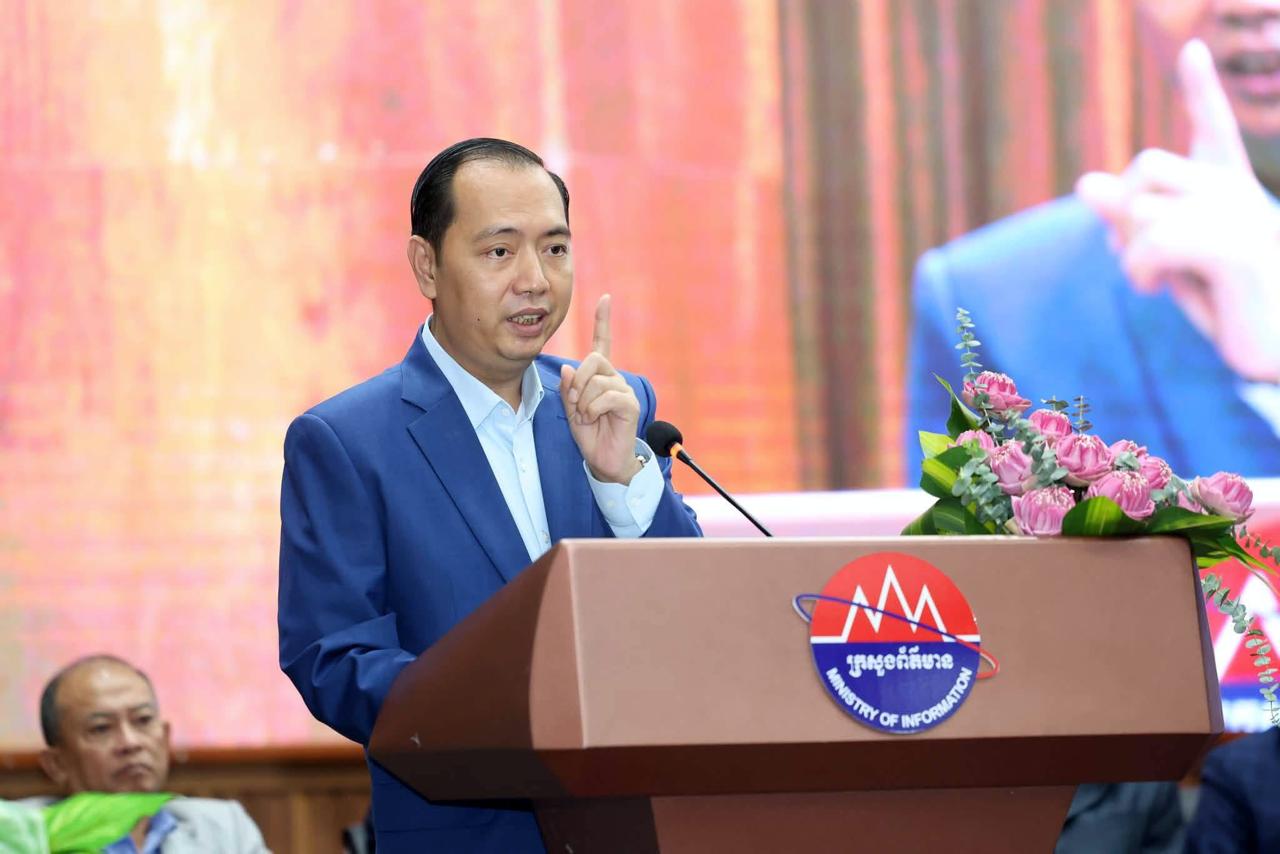
Speaking on Sept. 9, Neth Pheaktra said 6,066 children were among Cambodian civilians who remained unable to return home, arguing that children should not have to grow up living as displaced persons.
“Children should not have to learn to live as refugees,” the minister said, questioning when displaced Cambodian children would finally be able to return to their homes and schools.
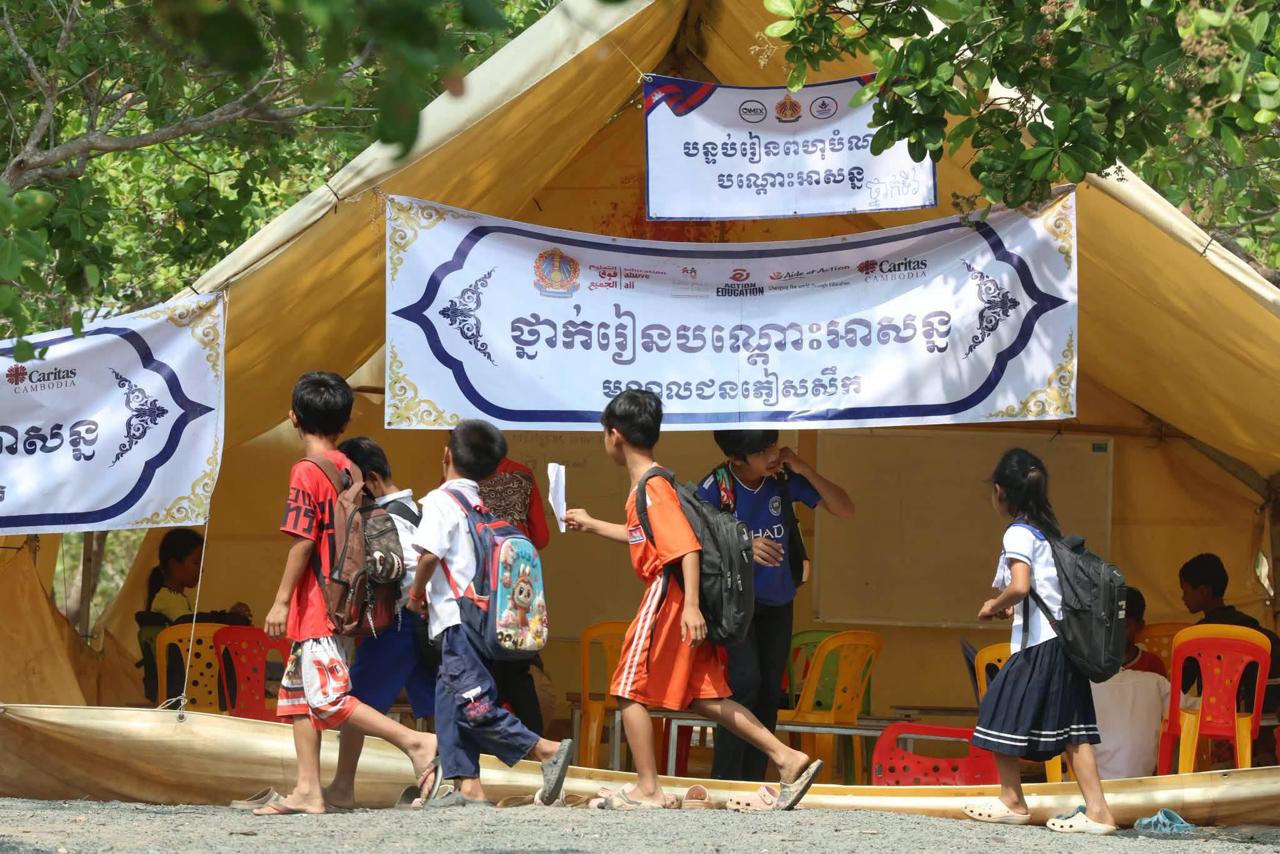
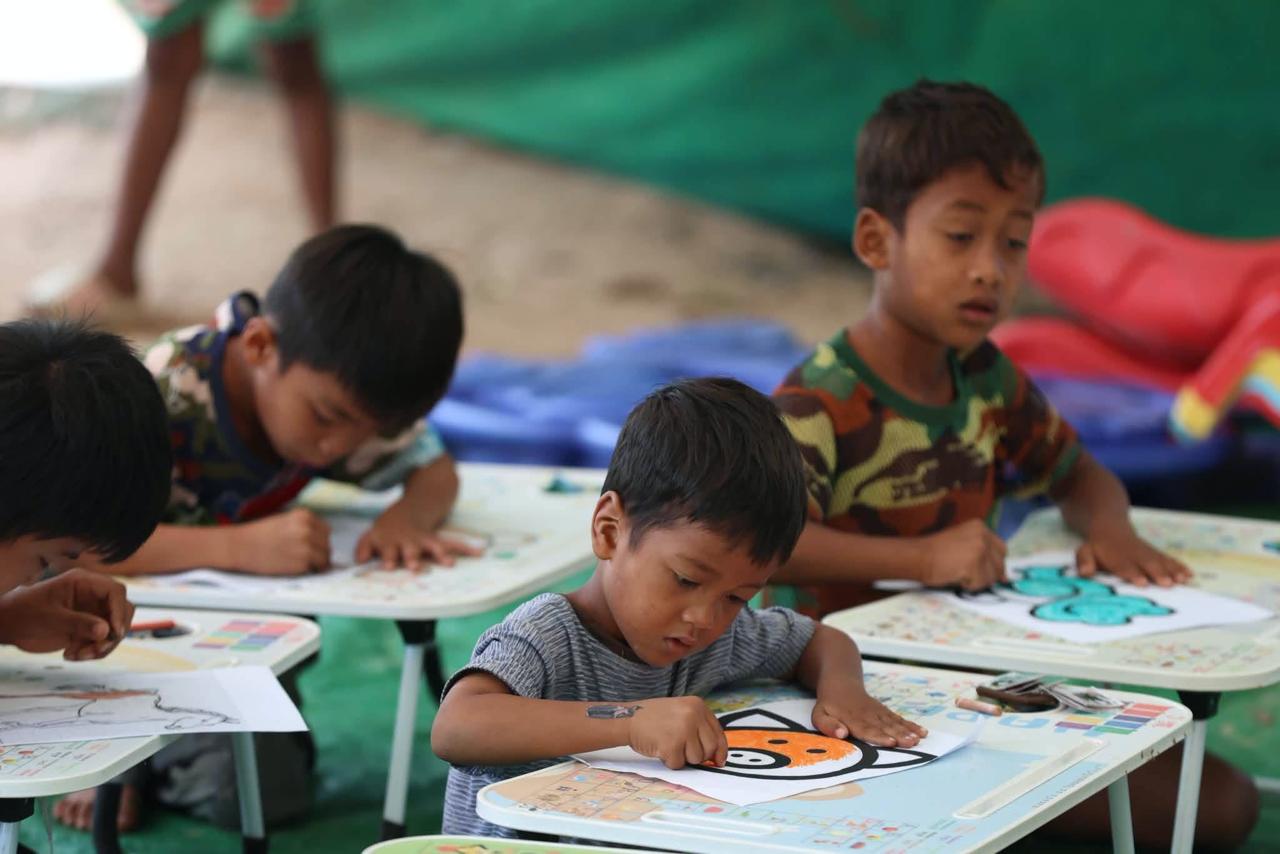
His remarks came after a visit by Deputy Prime Minister and Education Minister Hang Chuon Naron and WFP Country Director Kyungnan Park to displaced communities in Preah Vihear province, where displaced children are receiving food assistance and continuing their education in temporary conditions.
Neth Pheaktra said the visit demonstrated that the humanitarian consequences of the border conflict had not yet ended.
The World Food Programme (WFP) is providing breakfast to children to improve their nutrition and help them continue their studies and maintain some degree of normality while their lives remain disrupted.
The minister expressed appreciation to WFP, the people of Japan and other partners supporting affected children and families. However, he stressed that humanitarian assistance could alleviate suffering but could not replace the homes, schools and rights that children need in order to return to normal life.
“Temporary” arrangements, he argued, should not become permanent for the displaced children.
According to figures cited by Cambodian authorities, 6,066 children remain among the people unable to return to their homes. Independent reporting has also cited the same figure, with women accounting for another 9,437 of the remaining displaced population.
Neth Pheaktra said the figure represented far more than a statistic, as each child had lost access to elements of everyday life, including their home, school, friends, community and sense of security.
He also linked the continued displacement to what he described as Thai military occupation of Cambodian territory and the placement of barriers and barbed wire that allegedly prevent civilians from returning.
The Cambodian government has repeatedly called for the provisions of the Dec. 27, 2025 Joint Statement to be respected, including the provision concerning the safe and dignified return of displaced civilians to their homes.
Neth Pheaktra argued that a ceasefire should mean more than simply an absence of gunfire. In his view, it should also mean no advance, no creation of new facts on the ground and no actions preventing civilians from safely returning home.
“A ceasefire in which the guns are silent but children still cannot return home is not yet full peace,” he said.
He further argued that humanitarian assistance should prompt the international community to ask why children remain displaced and what is preventing their return, rather than focusing only on the delivery of food and temporary education.
Temporary schools can keep children learning and food assistance can help them maintain their health, he said, but what displaced children ultimately need is to regain their homes, schools and ability to live safely in their communities.
The minister’s remarks come amid continuing efforts by humanitarian organisations and Cambodian authorities to assist people displaced by the border conflict. Earlier, he said more than 20,000 Cambodian civilians, including around 6,000 children, remained unable to return despite the ceasefire.
Neth Pheaktra concluded that genuine peace should be measured not only by whether fighting has stopped, but also by whether families can safely return home and children can once again sit in their own classrooms.
For the 6,066 children still waiting to return, he said, the central question is no longer simply how they can receive better humanitarian assistance, but why they still cannot go home.