Cambodia Tyre Exports Jump 42% as Auto Shipments Hit $600 Million
 Cambodia Tyre Exports Jump 42% as Auto Shipments Hit $600 Million
PHNOM PENH, April 24, 2026 — Cambodia exported nearly $600 million worth of tyres and vehicle parts in the first three months of 2026, underscoring the country’s growing role in the regional automotive supply chain, according to a Commerce Ministry report.
From January to March, Cambodia exported more than $472 million in car tyres, up 42.37% from the same period a year earlier, when shipments totalled just over $331 million.
The United States was the largest buyer, importing more than $358 million worth of tyres from Cambodia. Other markets included Brazil, Canada, France, Britain, the Netherlands, Spain, Italy, South Africa and Mexico.
Exports of automotive components reached more than $92 million, up 30.15% year-on-year, with shipments going to Japan, Thailand, the United States, China, Canada, Vietnam, the Philippines, South Korea and Malaysia.
Cambodia also exported more than $16 million worth of bicycle and motorcycle parts to destinations including the Netherlands, China, Taiwan, the United States, Portugal, Germany, Britain, Romania and Vietnam.
The latest figures highlight Cambodia’s push to diversify beyond garments and footwear into higher-value manufacturing sectors such as automotive production.
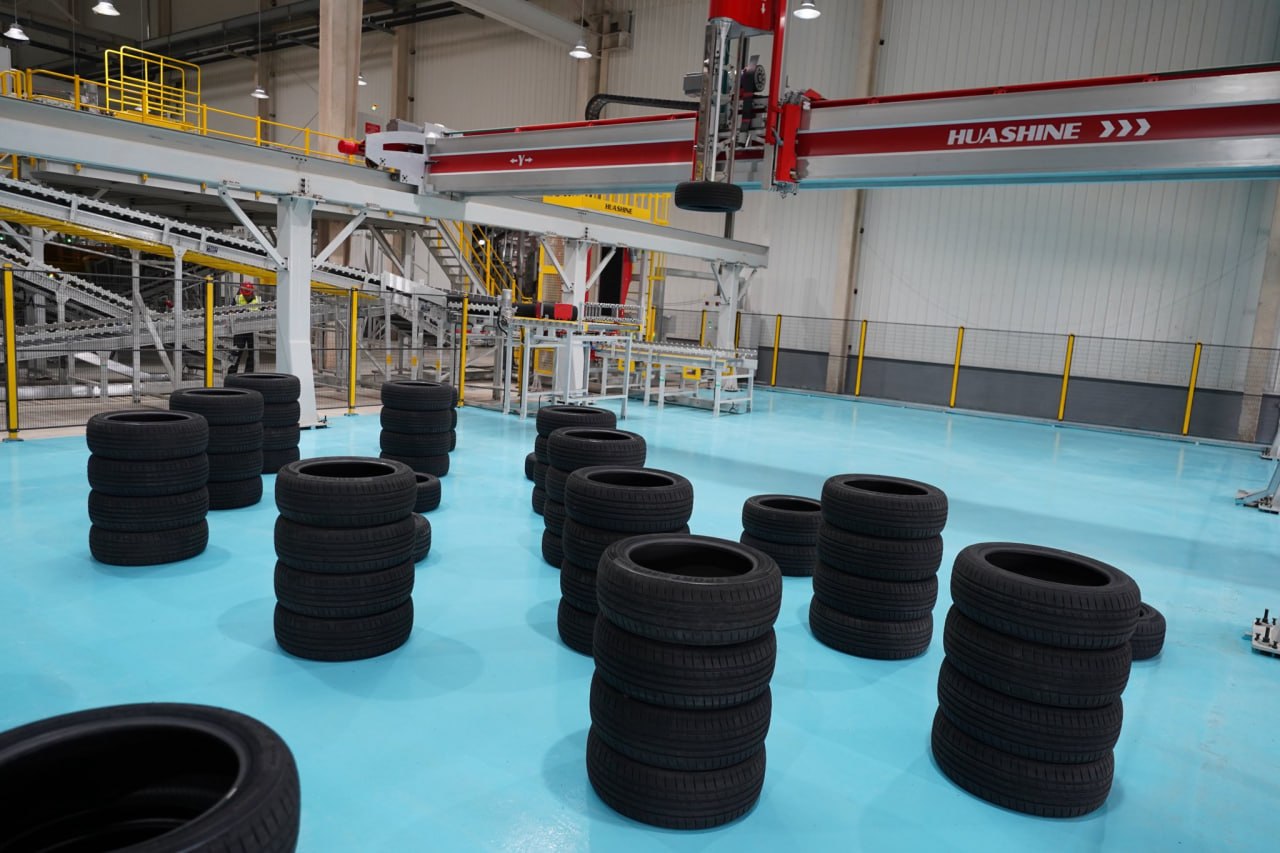
The country now hosts eight tyre factories operating across five special economic zones in provinces including Svay Rieng, Preah Sihanouk and Kratie, benefiting from competitive labour costs, trade access and proximity to regional markets.
In March, the Council for the Development of Cambodia convened talks between tyre manufacturers and the Cambodia Rubber Development Association to strengthen domestic sourcing of natural rubber, a key raw material for tyre production.
Officials said expanding local rubber use would support domestic agriculture while reducing reliance on imported inputs.
Cambodia has around 450,000 hectares of rubber plantations with annual output of roughly 420,000 tonnes, giving the country a natural advantage in tyre manufacturing.
The sector is increasingly seen as a pillar of Cambodia’s industrialisation strategy as it seeks to attract more foreign investment and move up global manufacturing value chains.