Escalating Border Tensions: Cambodia Maintains Non-Retaliatory Peace Measures Amid Thai Military Aggression
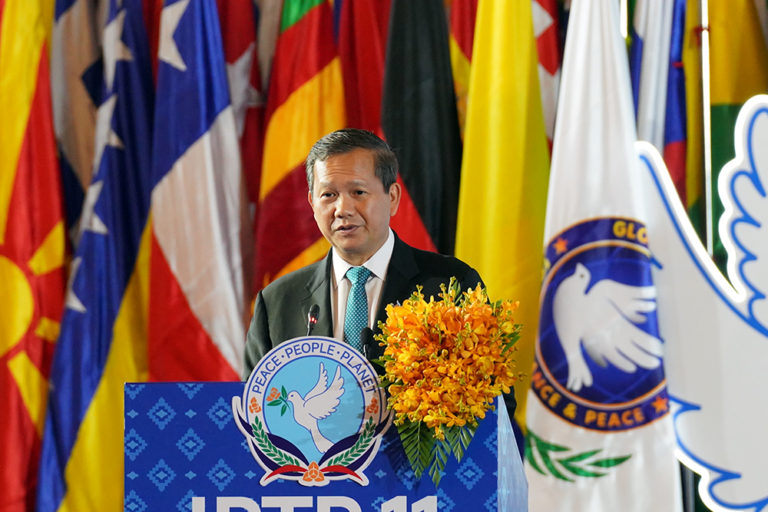 Samdech Thipadei Hun Manet, Prime Minister of the Kingdom of Cambodia
Along the Cambodia–Thailand border, tensions have steadily escalated following multiple recent attacks carried out by Thai military forces. The mobilization of troops and heavy weaponry into contested areas has further intensified the security atmosphere and raised concerns about the potential outbreak of a conflict initiated by the Thai side.
The incident on 8 December 2025 has become a major focal point, during which Thai forces launched two separate assaults in the areas of An Ses, Ta Moan Thom Temple, Preah Vihear Temple, and other nearby border zones. Despite repeated attacks, the Cambodian forces did not retaliate, choosing instead to uphold the Kuala Lumpur Peace Agreement and key international norms. Cambodia’s restraint has become clear evidence of its genuine commitment to preventing a renewed armed conflict.
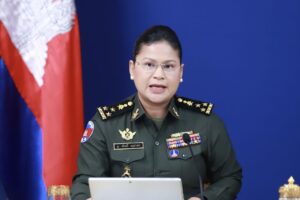
According to an official statement from the Ministry of National Defence, the Thai attacks began at 05:04 AM, involving ground troops, tanks, and various types of heavy weaponry targeting Cambodian territory. Prior to this incident, repeated disruptive shelling had already occurred in the areas of Prolean Thmor, Ta Moan Thom, Preah Vihear Temple, and Changka Chek, indicating a pattern of ongoing violations.
The deployment of heavy weapons into a conflict-prone zone and the repeated discharges of artillery by Thai forces—clearly aimed at provoking a new war—constitute serious violations of international law and the peace agreements in force. Some analysts believe that these actions may be linked to efforts to exploit nationalist sentiment for Thailand’s domestic political purposes, or to apply pressure on ongoing border negotiations.
Cambodia, meanwhile, is employing diplomacy instead of force, condemning Thailand’s war-provoking actions and urging the international community and ASEAN to engage in resolving the Cambodia–Thailand border conflict peacefully. Although Cambodia has adequate capability to defend itself, it has deliberately chosen not to fire back in order to avoid a conflict that could escalate into a bloody war, while seeking to preserve regional stability.
This stance does not reflect a weakness in Cambodia’s military capacity. Rather, it represents a deliberate strategy to prevent war—demonstrating Cambodia’s commitment to peace, strengthening international confidence, and reaffirming the country’s adherence to international law. It clearly shows Cambodia’s determination to resolve disputes through diplomacy, not through weapons.
It is also important to note that Thailand’s failure to comply with international agreements could severely undermine security stability across the entire ASEAN region. Such aggressive actions not only heighten the risk of war but may also lead the international community to reassess Thailand’s credibility and responsibility as a regional actor.
The events of 8 December 2025 strongly indicate Thailand’s intention to heighten tensions along the Cambodia–Thailand border and undermine the Kuala Lumpur Peace Agreement. In contrast, Cambodia has demonstrated both military discipline and a steadfast commitment to peace—using diplomacy as the primary tool to prevent escalation. This responsible approach is enhancing Cambodia’s international credibility and showing clearly that Cambodia seeks peace, not conflict.
Nevertheless, in this grave situation caused by repeated Thai attacks, Cambodian leaders have called on all authorities at every level to support and assist civilians who have fled dangerous zones and relocated to safe areas. It has also been affirmed that the red lines for Cambodia’s potential response have already been established. Samdech Hun Sen reminded all commanding officers to thoroughly brief soldiers and units on the current situation and ensure full preparedness.
By: Pin Vichey – Political Science Scholar