
Op-Ed: Thailand’s SEA Games problems are not sports issues
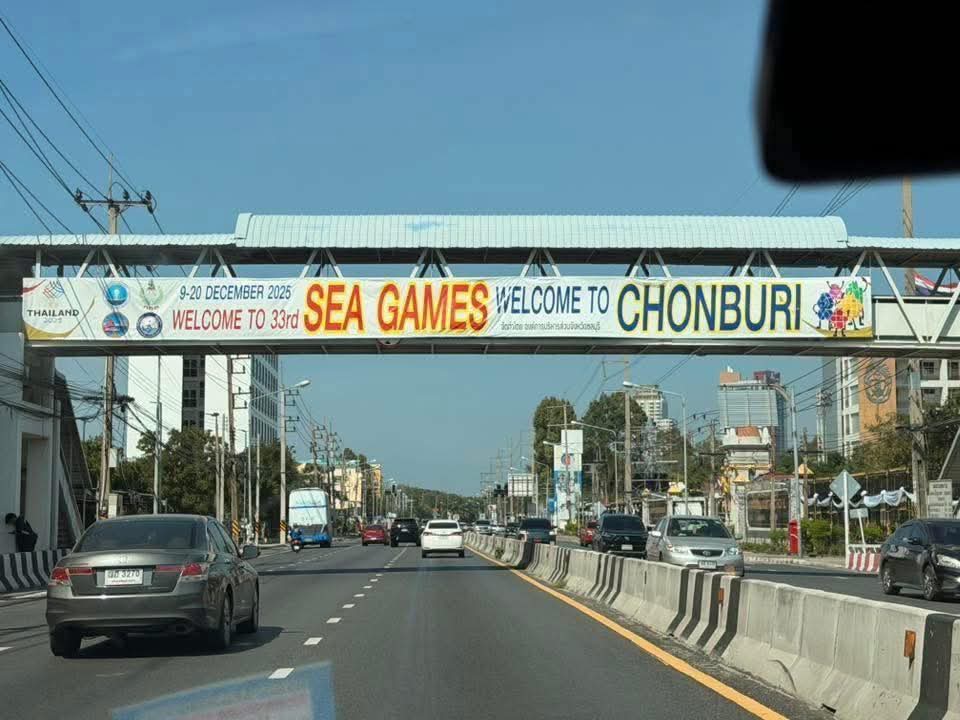 Op-Ed: Thailand’s SEA Games problems are not sports issues
They are symptoms of an institutional system that is weakening in public view.
The anthem failure, lighting breakdowns, confused staff, venue disruptions, and amateur promotional mistakes are not isolated incidents; they show the same underlying condition: Thailand’s bureaucracy is no longer functioning with the discipline, coordination, or reliability it once had.
For years, political chaos was cushioned by a strong administrative layer that could still deliver results. That buffer has eroded. The middle-management layer responsible for operations, logistics, and on-the-ground supervision is breaking, not because the tasks are impossible, but because repeated political reshuffles, patronage-driven promotions, and falling morale have hollowed out the people who know how to run things.
This is why staff left before matches ended, why supervisors did not enforce protocol, and why technical teams failed at basic readiness. These are not PR problems; they are state-capacity failures.
The government’s attempt to blame budget limitations is a diversion. Thailand did not stumble because of money. It stumbled because no one remained in charge long enough to execute a coherent plan.
Leadership shifted, priorities changed, oversight moved between factions, and continuity evaporated. When responsibility becomes unclear, problems multiply. By the time the SEA Games approached, the organising structure was already fragmented, and the event simply revealed what had been happening quietly for months: a system losing its ability to coordinate itself. This is happening at the same moment the government is under pressure from the floods, the landmine narrative misfire, rising public frustration, internal coalition strain, and questions about administrative reliability. The SEA Games were supposed to rebuild confidence. Instead, they showed just how thin that confidence has become.
More worrying than the failures themselves is the emotional response from Thai society. The public is not merely disappointed; they are questioning whether the state can still perform basic functions. When citizens start interpreting small mistakes as evidence of broad decline, it signals a deeper trust erosion. Once that doubt settles in, it becomes very hard for any government to reverse it. This loss of confidence matters for the region. A state struggling to manage a controlled, time-bound event will struggle even more with crises that demand precision, unity, and rapid coordination. It raises questions about Thailand’s readiness to handle border tensions, disaster responses, and international negotiations at a time when those arenas demand stability and clarity.
What the SEA Games reveal is not a one-time embarrassment. They reveal that Thailand is entering an institutional aging phase where the political machinery no longer aligns with the demands of modern governance, where the bureaucracy is stretched thin, and where national narratives no longer match the state’s operational capacity. This is not a collapse, but it is a visible decline, one that is accelerating and one that the region must watch carefully. Cambodia should not read this with pride or rivalry, but with strategic awareness. A neighbour with weakening internal systems becomes unpredictable externally. The SEA Games did not damage Thailand’s image; they simply made the existing cracks visible at the exact moment the world was watching.
Midnight