
Open Letter: Healthy Enough to Work, Too Sick to Exist
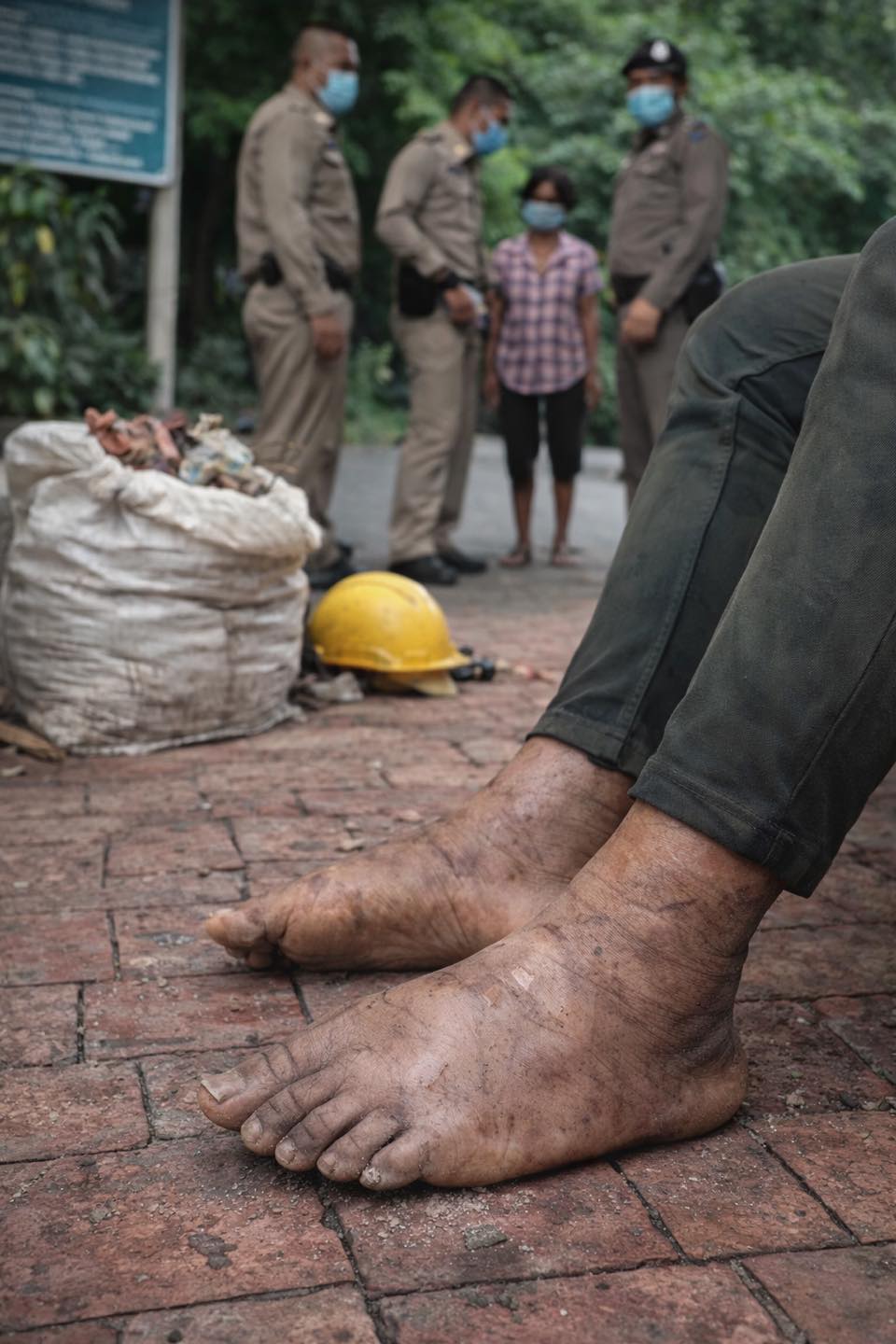 Open Letter: Healthy Enough to Work, Too Sick to Exist
To policymakers, employers, medical institutions, and the public,
Across Thailand’s construction sites, fishing fleets, farms, and informal workplaces, migrant workers have become an indispensable part of the economy. Their labor builds infrastructure, sustains industries, and supports daily life. Yet when these same workers fall ill or are injured, many are abruptly abandoned by the very system that profits from their strength.
This is not an isolated failure.
It is structural.
When migrant workers are healthy, they are accepted as labor.
When they are sick or injured, they are treated as illegal.
Thousands of foreign workers are employed without proper contracts, documentation, or social security coverage. Employers benefit from low wages and minimal obligations, while enforcement gaps allow these practices to continue. The moment a worker can no longer perform, responsibility is quietly transferred—away from employers, away from institutions, and onto the individual.
Hospitals frequently face undocumented patients without insurance or national identification. In such cases, treatment is often delayed or denied, even when medical intervention is urgent. Fear of arrest or deportation discourages workers from seeking care early, turning preventable conditions into life-threatening emergencies.
This pattern is not accidental. It reflects a system designed to extract labor while externalizing risk.
Responsibility disappears.
Accountability dissolves.
Human dignity is compromised.
A system that profits from a person’s body but denies care when that body breaks does not recognize workers as human beings. It treats them as disposable.
This reality demands reflection and reform.
If a society relies on migrant labor to sustain its economy, it carries a moral and legal obligation to ensure protection—not only during periods of productivity, but in moments of vulnerability. Access to medical care, labor protections, and legal safeguards must not depend on convenience or documentation alone. They must be grounded in humanity.
This is not merely a question of migration policy.
It is a question of values.
Healthy must not mean “useful,”
and sick must not mean “illegal.”
Until migrant workers are protected as people—not just labor—this system will remain one of exploitation, not fairness; profit, not justice.
Respectfully,
A concerned observer for human dignity and labor rights