Thailand’s visa confusion risks pushing long-stay visitors elsewhere
 Thailand’s visa confusion risks pushing long-stay visitors elsewhere
BANGKOK, March 31, 2026 —Thailand wants more tourists. It wants them to stay longer. It says so repeatedly.
The official policy reflects this ambition. Nordic travellers, like many others, are now granted 60 days visa-free entry, with the option to extend for another 30 days. On paper, this is one of the most generous entry regimes in Southeast Asia.
But the reality at the border tells a different story.
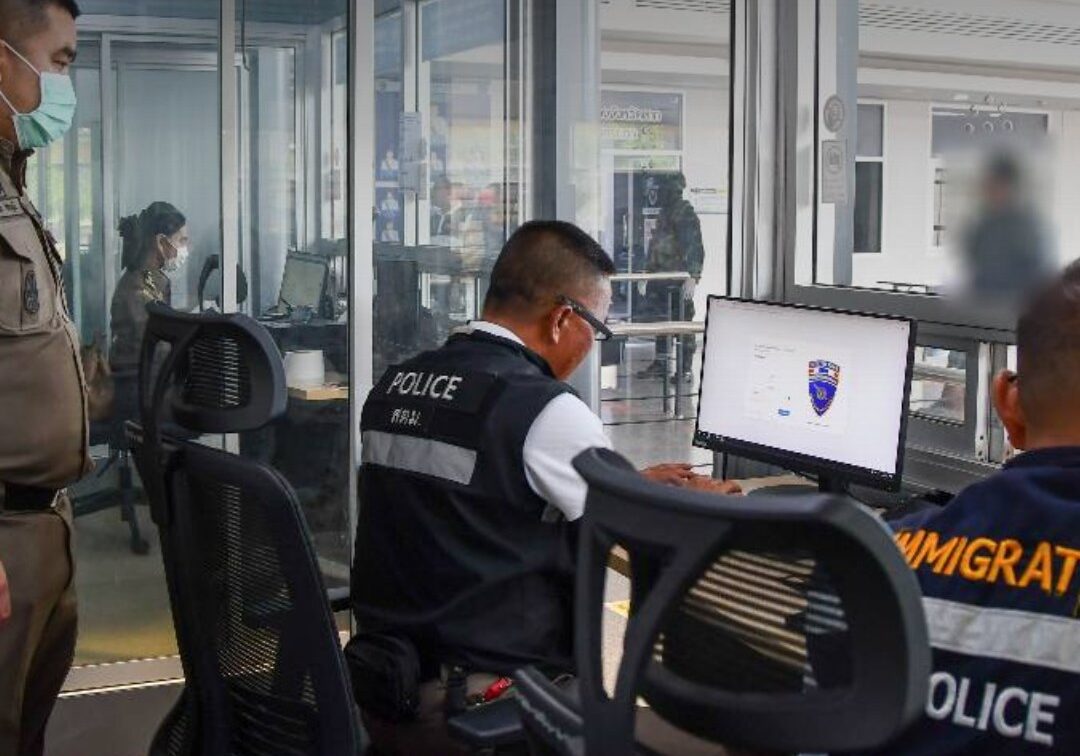
While the government promotes longer stays, immigration enforcement increasingly focuses on limiting them. Travellers who return after extended stays — even when fully complying with visa rules — may face questioning, shortened stays, or outright refusal of entry based on a perceived “abuse” of the system.
This creates a fundamental contradiction.
On one side, the message is clear: come more, stay longer. On the other, the practical signal is: don’t stay too long, or you may not be allowed back.
The problem is not that Thailand enforces its immigration laws. Every country has the right to distinguish between tourists and those effectively residing without the proper visa. The issue is that this distinction is not clearly defined in rules that travellers can understand and plan around.
Instead, decisions are often left to discretionary assessment at the border.
For travellers, this creates uncertainty. A visitor can follow the written rules — 60 days, extension, exit, return — and still face problems simply because their pattern of stay raises suspicion. There is no clear threshold, no published limit, and no predictable outcome.
Compared to neighbouring countries, the difference is noticeable. Malaysia offers longer stays with relatively predictable re-entry. Vietnam offers shorter stays, but a more consistent and rules-based system.
Thailand, by contrast, offers generous access combined with uncertain continuity.
For many long-stay travellers, predictability matters as much as generosity. The ability to plan ahead — to know whether you can return — is essential.
If Thailand wants to position itself as a base for long-term visitors, remote workers and retirees, clarity will be key. Without it, the country risks losing exactly the segment it is trying to attract — not because the rules are too strict, but because they are too unclear.
Scandasia