The Anatomy of Blame: The Reconstruction of Truth
 The Anatomy of Blame: The Reconstruction of Truth
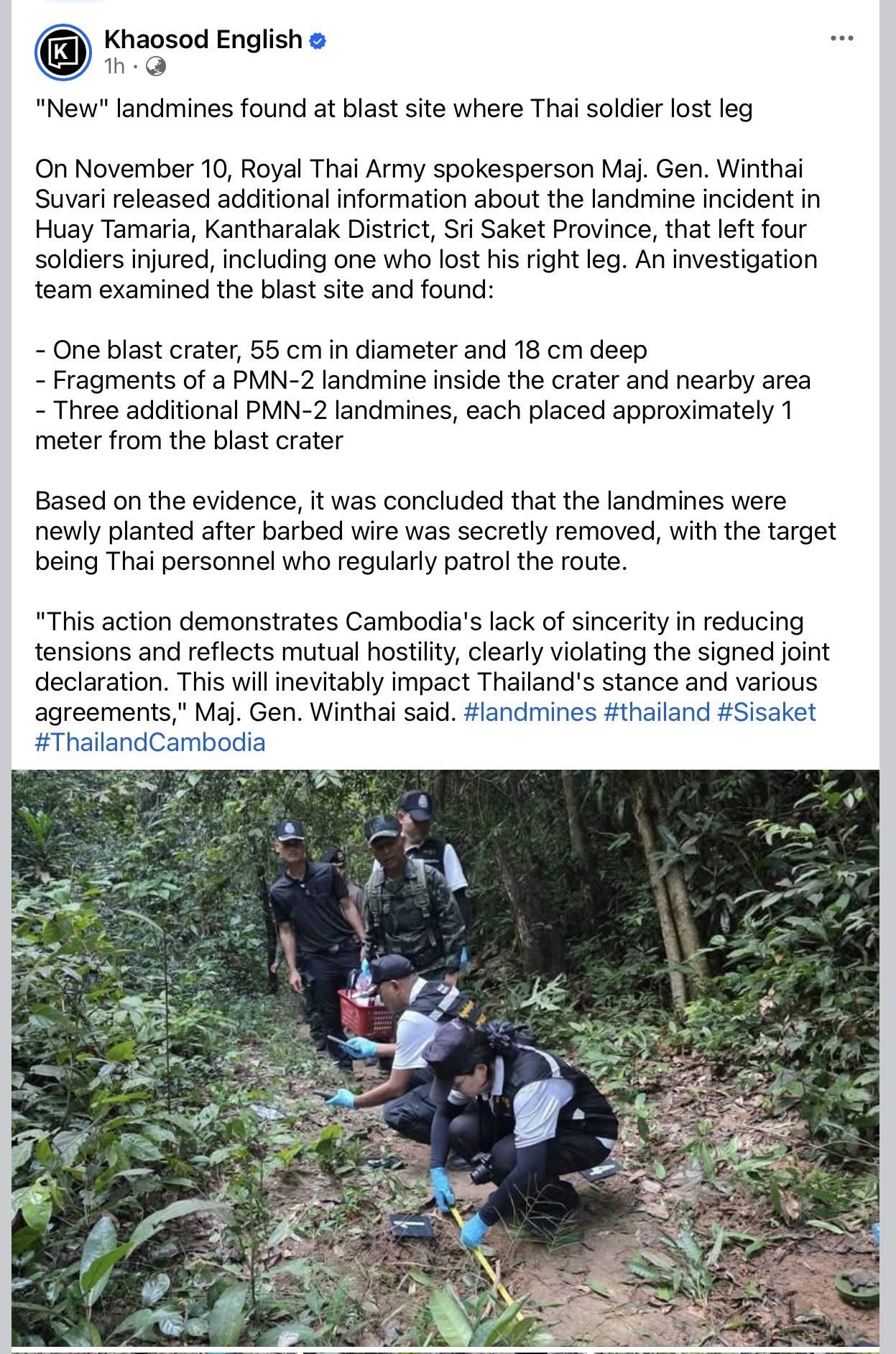
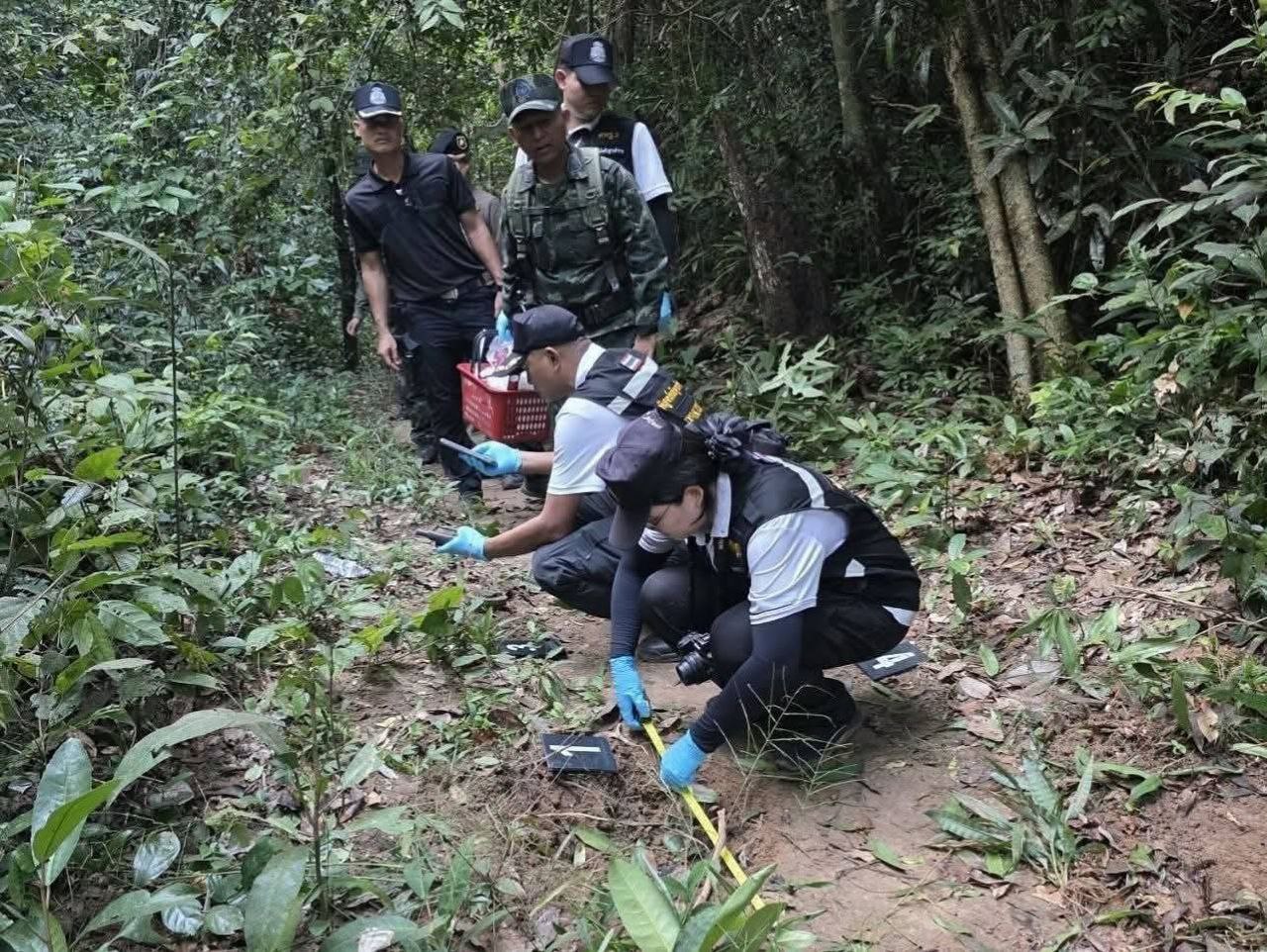
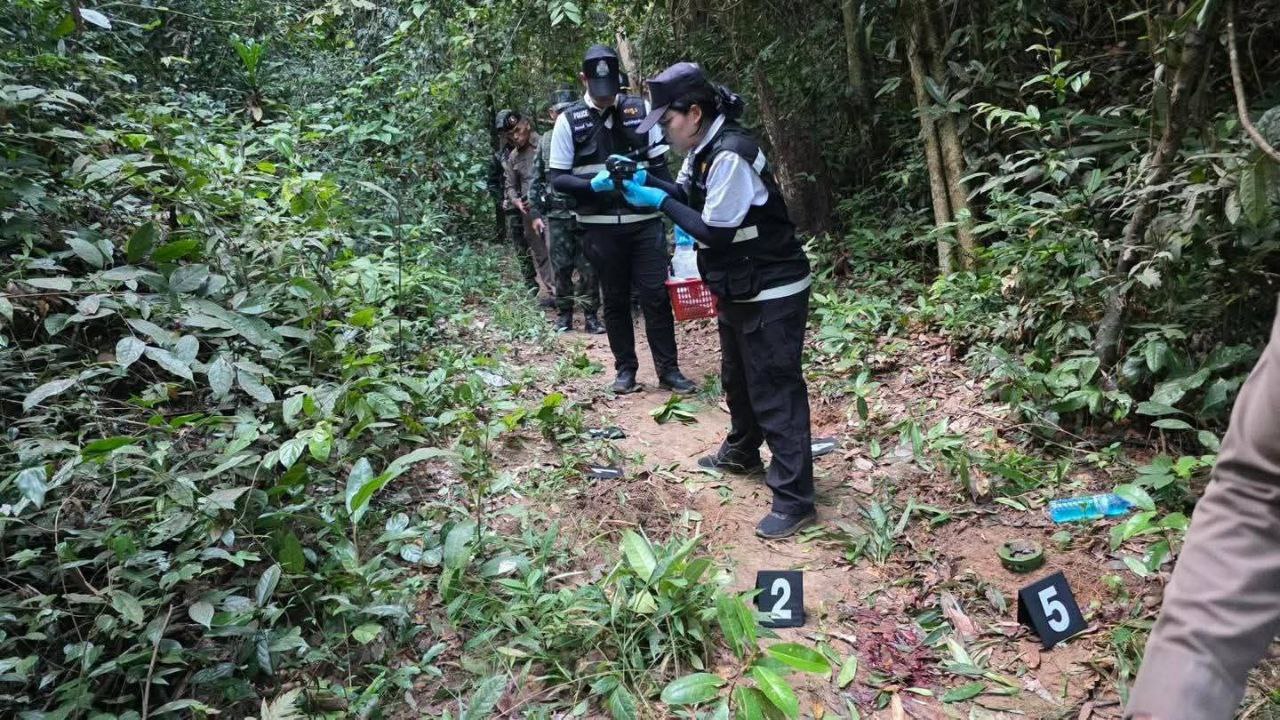
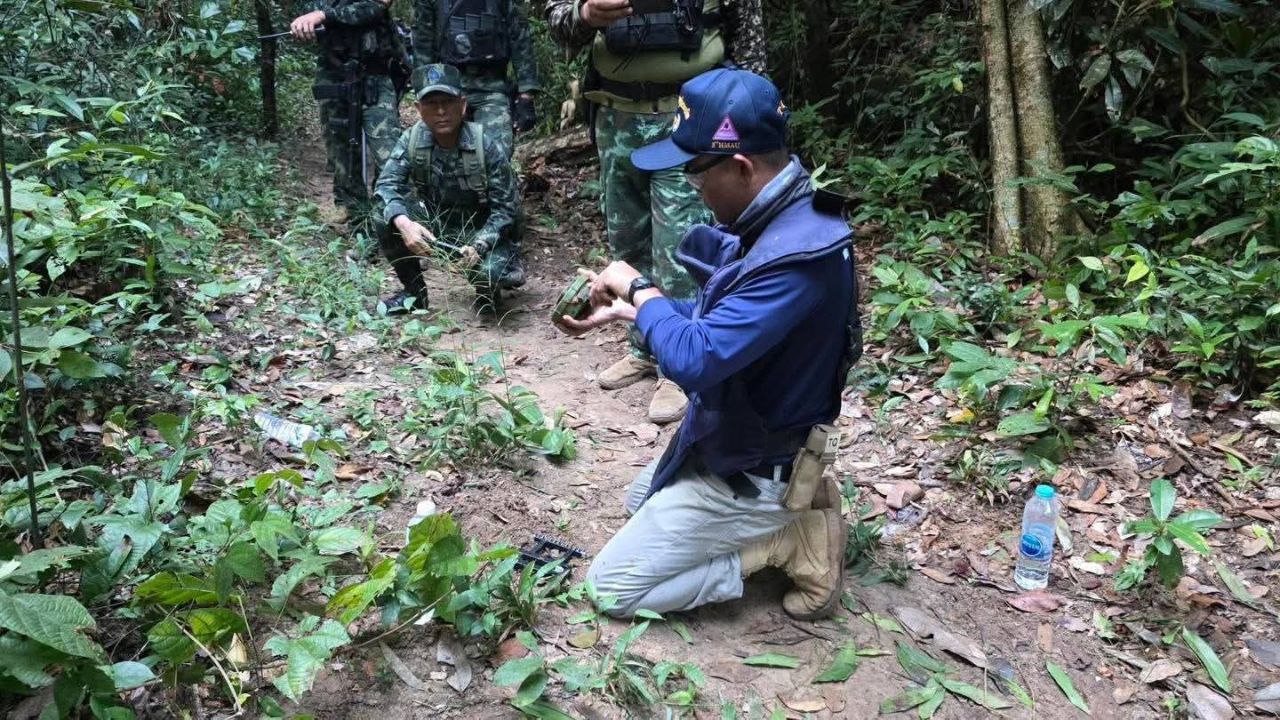
Only hours after the blast that tore through Huai Tamaria, the Royal Thai Army declared certainty. A crater fifty-five centimeters wide and eighteen deep.
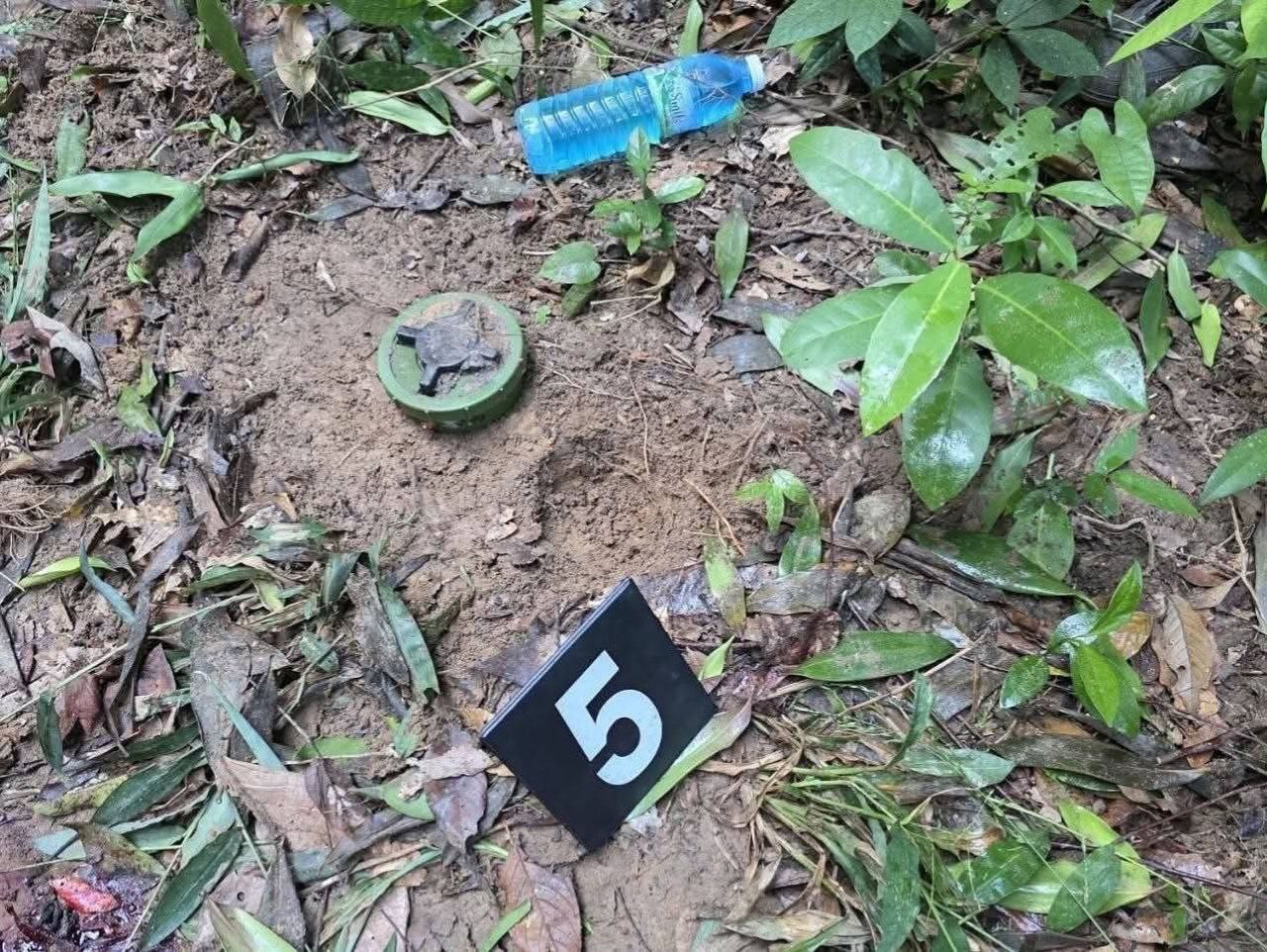
Fragments of a PMN-2 mine scattered around it. Three more devices found one meter away. Within the same day Maj. Gen. Winthai Suvari announced that the mines were newly planted, that barbed wire had been secretly removed, that Cambodia had acted with hostility and violated the peace declaration.
The precision of the report was meant to project control. Measurements replaced uncertainty, and accusation replaced evidence. In a moment when the public was beginning to question the state’s grasp of its own border, the army chose to rebuild faith through detail. Every number and every claim was part of a larger choreography the performance of command.
Yet that same precision exposes its weakness. In less than twenty-four hours, there was no joint inspection, no ASEAN presence, no photographic record. What remained were words presented as fact. The PMN-2 mine itself is no stranger to either side of the frontier; both militaries have stored and deployed them for decades. Declaring it new without residue analysis or verified coordinates is not verification, it is theatre.
The geography does not cooperate with the script. The ridge around Preah Vihear is steep, narrow, and under constant surveillance. For anyone to cross unseen, remove barbed wire, and lay four fresh mines along a Thai patrol path would mean a collapse of all monitoring systems. If that truly occurred, it signals failure of control. If not, it signals failure of honesty. Either way, it punctures the illusion of total security.
This has become the rhythm of the frontier. An explosion happens; the soil begins its slow investigation, while the narrative rushes ahead to assign guilt. The official story hardens long before the evidence is confirmed. And in that speed, truth is displaced by performance.
Huai Tamaria now stands as more than a point on a contested ridge. It is where institutional certainty meets public fatigue. The army’s language may still command microphones, but the ground tells a quieter story, one where sovereignty is measured not by claims, but by how well a nation knows its own wounds.
By: Midnight