Three French Presidents, Three Historic Visits: What Has Cambodia Gained from France?
 Three French Presidents, Three Historic Visits: What Has Cambodia Gained from France?
The visits of three French presidents to Cambodia — Charles de Gaulle in 1966, François Mitterrand in 1993 and Emmanuel Macron in 2026 — represent three important chapters in the historical relationship between the two countries. Although each visit took place under very different political and economic circumstances, they shared a common significance: France has remained an important partner in Cambodia’s pursuit of peace, development and international cooperation.
Looking back at these three visits offers an opportunity to understand what Cambodia has gained from its relationship with France and, more importantly, what opportunities the latest visit could bring to the country.
1. Charles de Gaulle’s Visit in 1966: Political Support and Economic Development
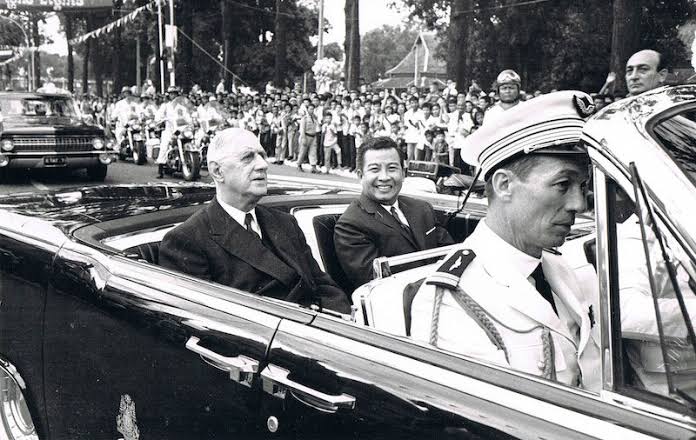
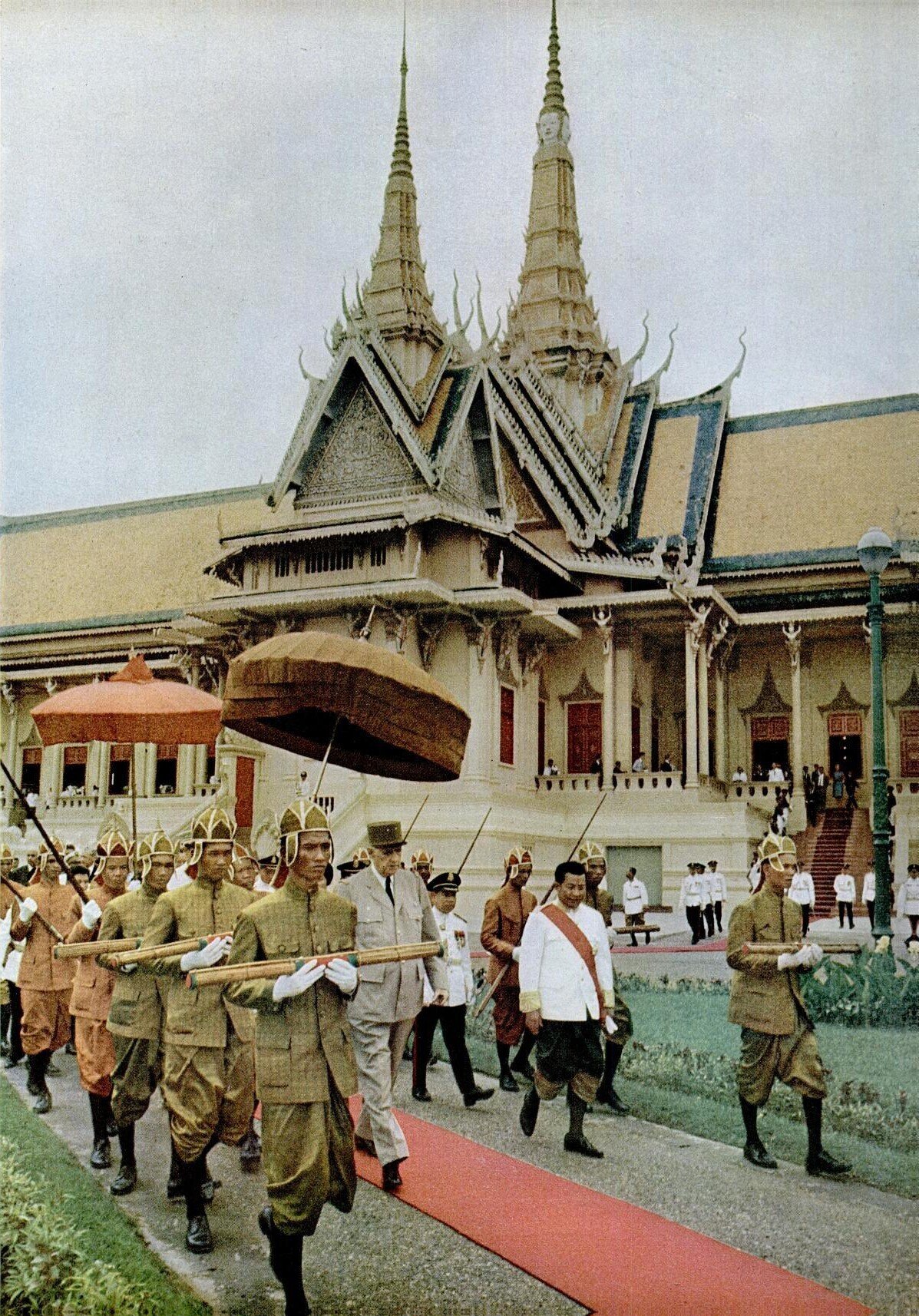
French President Charles de Gaulle visited Cambodia from August 30 to September 2, 1966, during a period of growing regional instability caused by the Vietnam War.
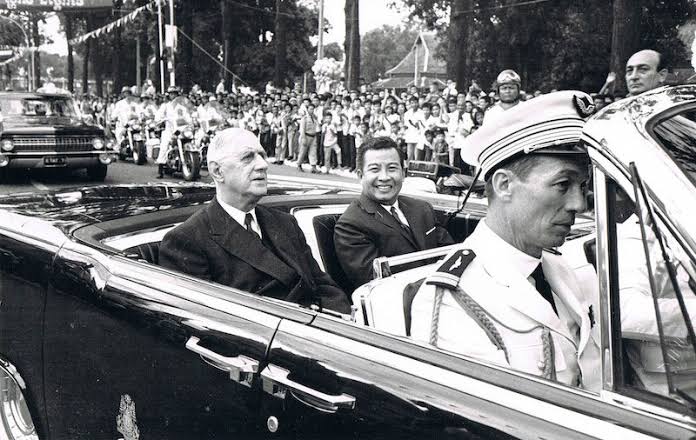
One of the most important political benefits of his visit was France’s public support for Cambodia’s policy of neutrality. At the time, Cambodia sought to avoid becoming directly involved in the escalating conflict in neighbouring Vietnam and to prevent the war from spreading into its territory.
Economically, the visit strengthened cooperation through a major economic and financial agreement providing 160 million French francs in loans and assistance. The funding supported important infrastructure projects, including the expansion of Sihanoukville Port, the construction of the Phnom Penh–Sihanoukville railway and the Prek Thnot hydropower dam project.
During the 1960s, Cambodia was considered one of Southeast Asia’s promising economies. Its engineers and technical expertise were even involved in major infrastructure projects abroad, including Singapore’s international airport.
Unfortunately, Cambodia’s neutrality was gradually undermined as regional tensions intensified. The country eventually became deeply entangled in the Vietnam War and descended into devastating conflict. The contrast between Cambodia’s development prospects in the 1960s and the destruction that followed remains a powerful reminder of how political instability can derail national progress.
2. François Mitterrand’s Visit in 1993: Peacebuilding and National Reconstruction
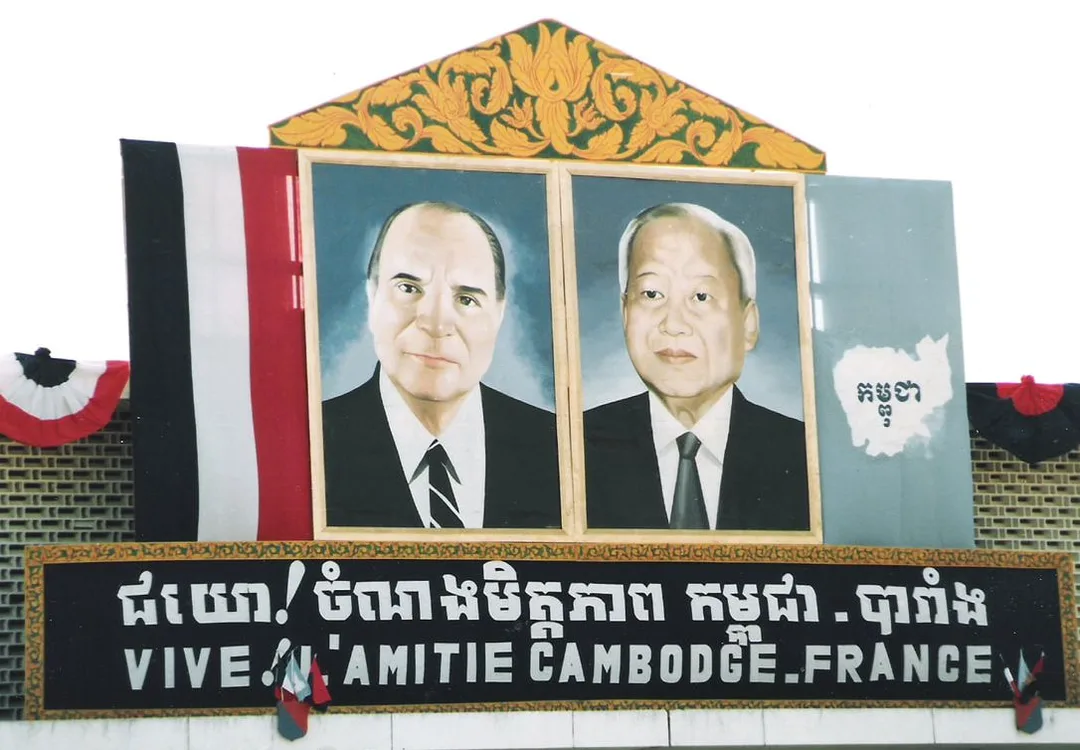
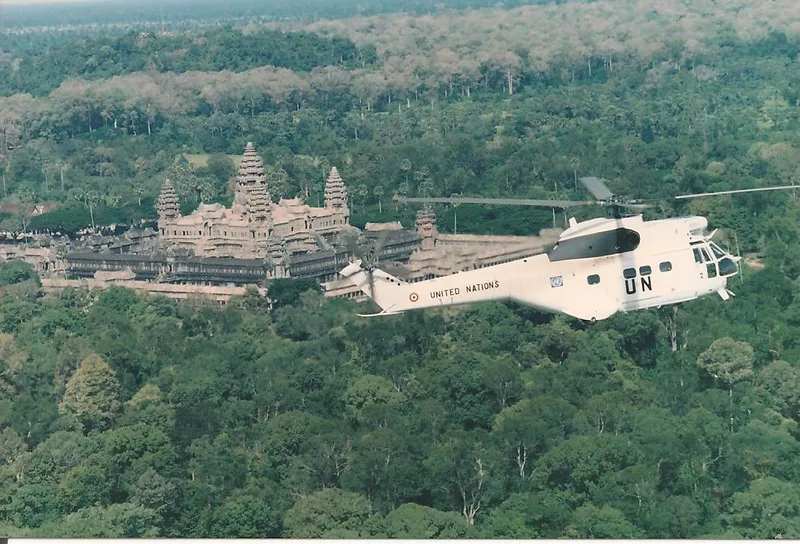
French President François Mitterrand visited Cambodia on February 11–12, 1993, at a critical moment in the country’s transition from decades of conflict towards peace and democratic reconstruction.
Following the signing of the 1991 Paris Peace Agreements, Cambodia was preparing for the May 1993 general election under the supervision of the United Nations Transitional Authority in Cambodia (UNTAC). However, the peace process continued to face significant challenges.
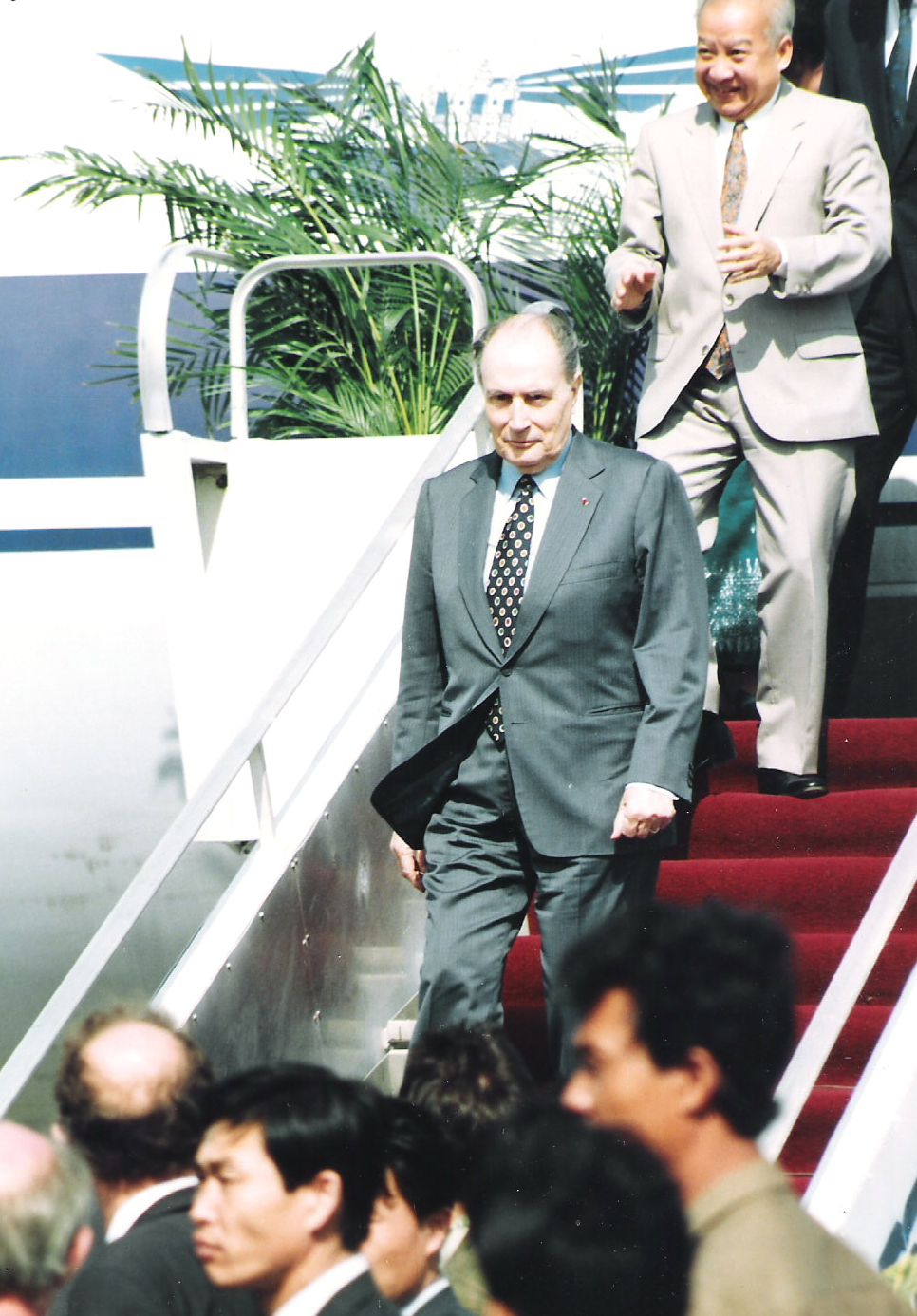
Mitterrand’s visit demonstrated France’s support for national reconciliation. He called on Cambodians to unite, reaffirmed support for UNTAC’s peace process and recognised the important role of King Norodom Sihanouk in bringing Cambodian political factions together.
The visit also strengthened cooperation in healthcare, including an agreement to restore medical training in Cambodia.
France had already provided assistance for Phnom Penh’s water treatment system, the rehabilitation of Calmette Hospital and emergency support for Cambodia’s railway network.
Beyond immediate reconstruction, France also played a significant role in protecting Cambodia’s cultural heritage. In October 1993, an intergovernmental conference in Tokyo established the International Coordinating Committee for Angkor (ICC-Angkor), with France and Japan serving as co-chairs and UNESCO as its permanent secretariat.
This initiative helped establish a long-term international framework for preserving Angkor, one of Cambodia’s most valuable cultural treasures.
3. Emmanuel Macron’s Visit in 2026: New Opportunities for Diplomacy, Trade and Development
French President Emmanuel Macron’s visit from November 14–16, 2026, comes at a different stage in Cambodia’s development. Unlike the previous visits, which were shaped by neutrality and post-conflict reconstruction, this visit offers opportunities to strengthen Cambodia’s international partnerships and economic ambitions.
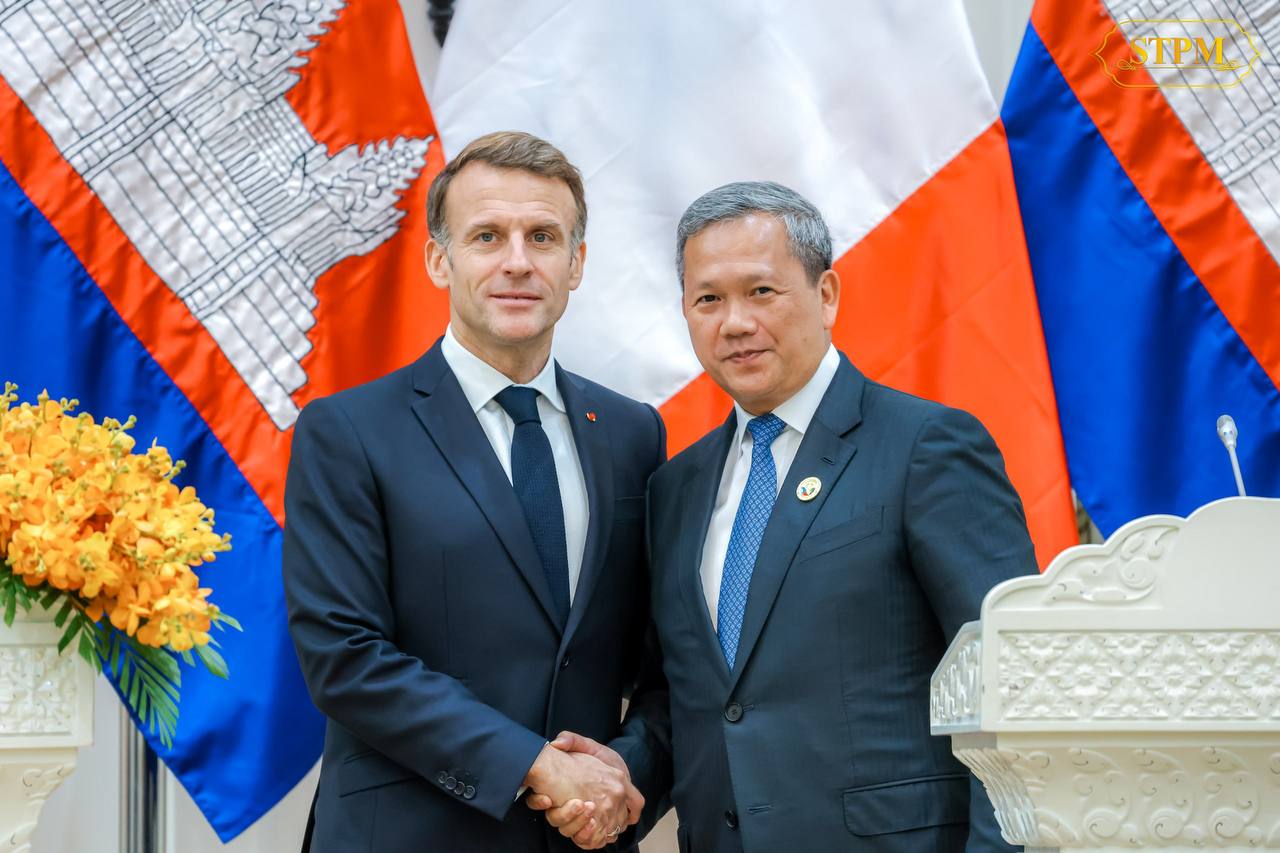
Politically, hosting the 20th Francophonie Summit has elevated Cambodia’s diplomatic profile. Under Article 3 of the Francophonie Charter, the head of state or government of the host country serves as president of the Summit until the next meeting, normally held two years later.
This position gives Cambodia an opportunity to lead discussions, build consensus among member states and expand political and economic cooperation across the Francophone community.
Economically, Macron has expressed his intention to help French businesses explore new markets in Cambodia. This creates an opportunity for Cambodia to negotiate partnerships that deliver more than investment figures.
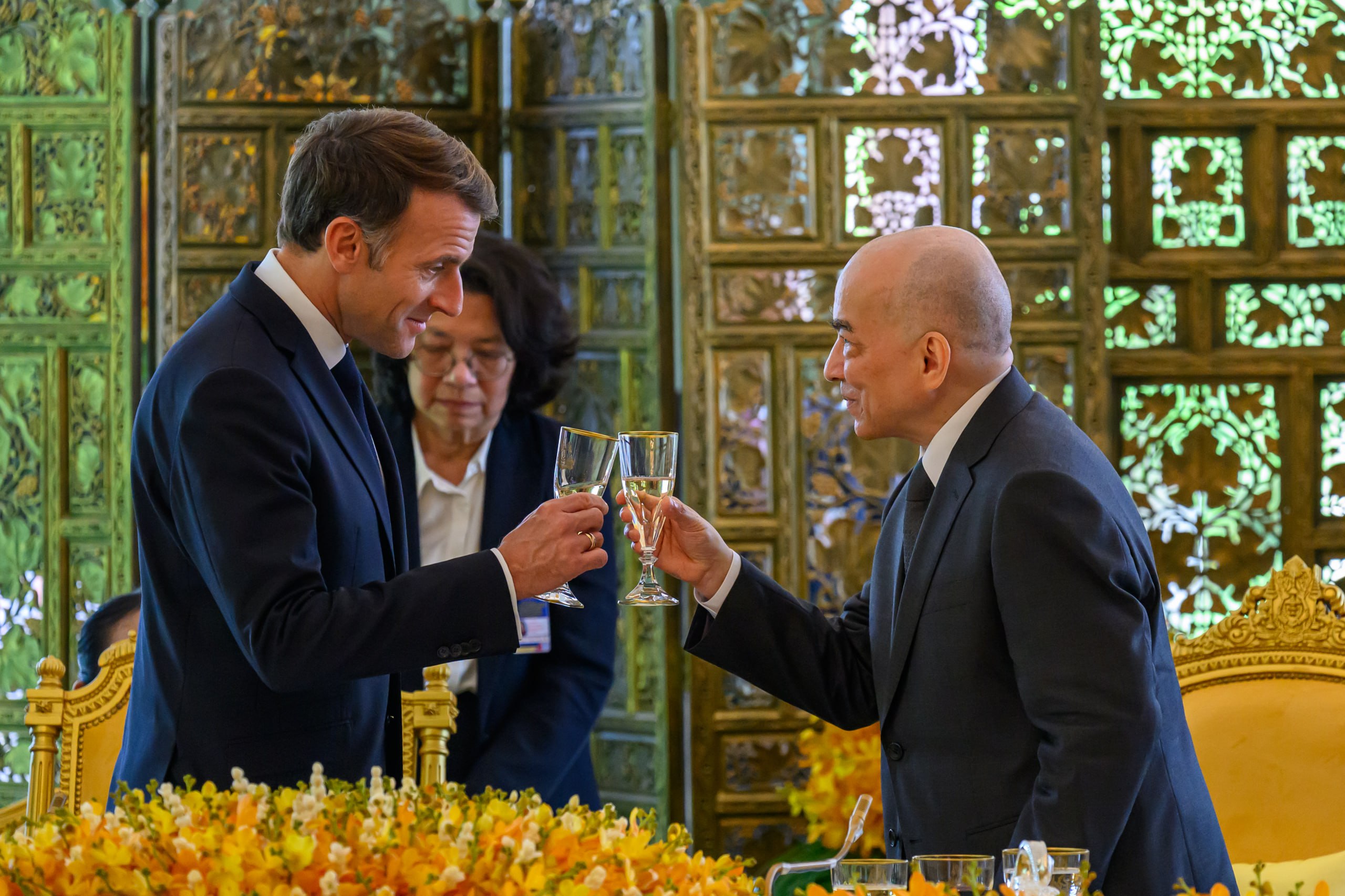
According to French Treasury data, bilateral merchandise trade reached approximately €1.75 billion in 2025, representing a 17.5% increase from 2024.
France is active in sectors including transportation, energy, agriculture and food, tourism, healthcare and finance. Cambodia should use this existing relationship to attract investment that creates skilled employment, transfers technology, improves product quality and connects Cambodian businesses with French buyers and suppliers.
Development financing also provides a strong foundation for future cooperation. According to France’s Ministry of Foreign Affairs, the French Development Agency (AFD), which has operated in Cambodia since 1993, has committed more than €1.3 billion in financing across sectors such as water, sanitation, energy, agriculture and vocational training.
Cultural heritage remains another important area of cooperation. The restoration of West Mebon at Angkor, a project valued at approximately €6 million, demonstrates the benefits of long-term partnerships. French involvement began in 2012 at Cambodia’s request, working alongside the APSARA National Authority. The project represents 14 years of cooperation between Cambodian and French teams.
Turning Friendship into Lasting Benefits
The three presidential visits reflect how Cambodia-France relations have evolved alongside Cambodia’s own history: from protecting political neutrality, to rebuilding a country after conflict, and now towards expanding international cooperation and economic development.
However, diplomatic visits and friendly statements alone cannot guarantee national progress. Cambodia must turn these opportunities into concrete results through effective negotiations, transparent investment policies, technology transfer, skills development and stronger local participation.
The lesson from these three visits is clear: international friendship matters, but its greatest value lies in what it delivers to ordinary people.
Cambodia should therefore approach its renewed partnership with France not simply as a celebration of historical friendship, but as an opportunity to build a more prosperous, capable and resilient nation.
By: Keo Chesday, Affiliate Researcher at the University of Cambodia