Verification Before Accusation: Cambodia’s Case for Truth
 Verification Before Accusation: Cambodia’s Case for Truth
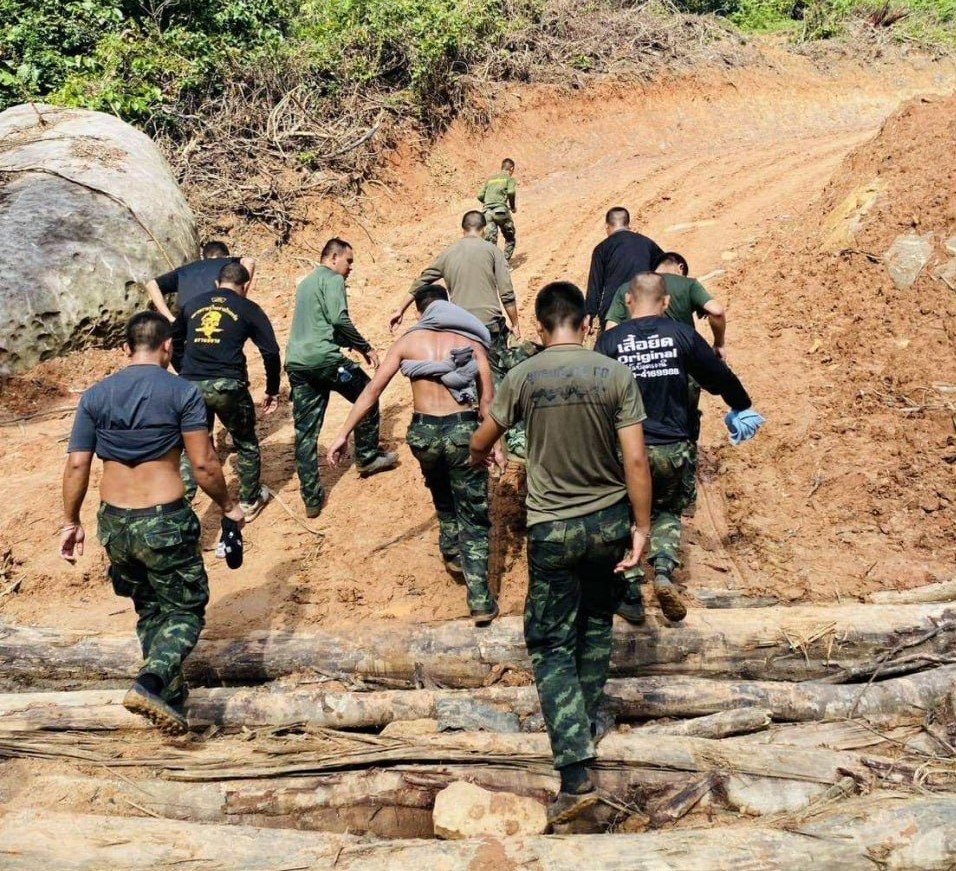
The border crisis we see today did not begin with a mine. It began with a fracture inside Thailand. When an institution loses its internal command, it looks for an external enemy. On November 10, a single blast in Sisaket injured two soldiers, and within hours, the Thai government declared that peace had been violated. No investigators were sent. No ASEAN observers were called. The Kuala Lumpur Accord was suspended through microphones, not through facts.
This was not a response; it was a reflex.
Thailand’s ruling structure is now split between three competing centers of power: the political cabinet, the military command, and the media complex that serves them both. Each moves at its own rhythm. The civilian government needs stability. The army wants control. The media wants spectacle. When these forces collide, they settle their contradictions through nationalism. It is the one narrative that hides all failures.
What we saw this week was that collision made visible. The Prime Minister announced the suspension, the army confirmed it, and the Foreign Ministry had to justify it. None of them spoke the same language. One called it precaution, another said protest, another called it temporary defense. These contradictions expose a deeper truth: Thailand is not executing policy; it is performing coherence. When power fractures, performance replaces governance.
Behind this performance is fear. The Thai army has been under domestic scrutiny since July, when Lieutenant General Boonsin Padklang admitted he had refused to obey a ceasefire order. That confession shattered the illusion of control. Since then, every border incident has become an opportunity to reclaim discipline through display. The mine at Sisaket became that display. By accusing Cambodia, the army redirects attention from its own disobedience. By freezing peace, it disguises confusion as command.
This is why the Thai narrative always moves faster than the evidence. Every accusation is launched before verification begins, because the goal is not to prove, only to posture. The border becomes a theatre for internal repair. Wounded soldiers are presented as symbols of sovereignty, while questions about hierarchy vanish under patriotism. But patriotism built on unverified pain is not sovereignty. It is manipulation.
Cambodia will not enter that play. We answer chaos with procedure. Our institutions have nothing to hide. Our demining operations are recorded, documented, and observed. We have cleared our land for thirty years, not buried it again. The difference between our two states is now the difference between control and confusion. One acts through verification; the other acts through improvisation.
If Thailand’s claims are real, let the world see the ground. Invite ASEAN observers, CMAC, and TMAC. Photograph the fragments. Publish the coordinates. Until then, every speech about hostile action remains a confession of internal disorder. Cambodia continues to honor the accord. We continue to clear mines. We continue to invite scrutiny. We seek not applause, only accuracy.
Peace cannot survive through tricks. It must rest on law, on evidence, on restraint. Thailand’s suspension of the accord is not a defense; it is an admission that verification would expose too much. We will not be drawn into their drama. We will stay in the light.
In the end, the world will remember two kinds of states: those that weaponize confusion, and those that turn transparency into strength. Cambodia chooses the second path.
Verification is not weakness. It is the highest form of control.
By: Midnight