From Refugee Camps to the 1993 Election: UN Records Put Thai Claims Under Scrutiny
 From Refugee Camps to the 1993 Election: UN Records Put Thai Claims Under Scrutiny
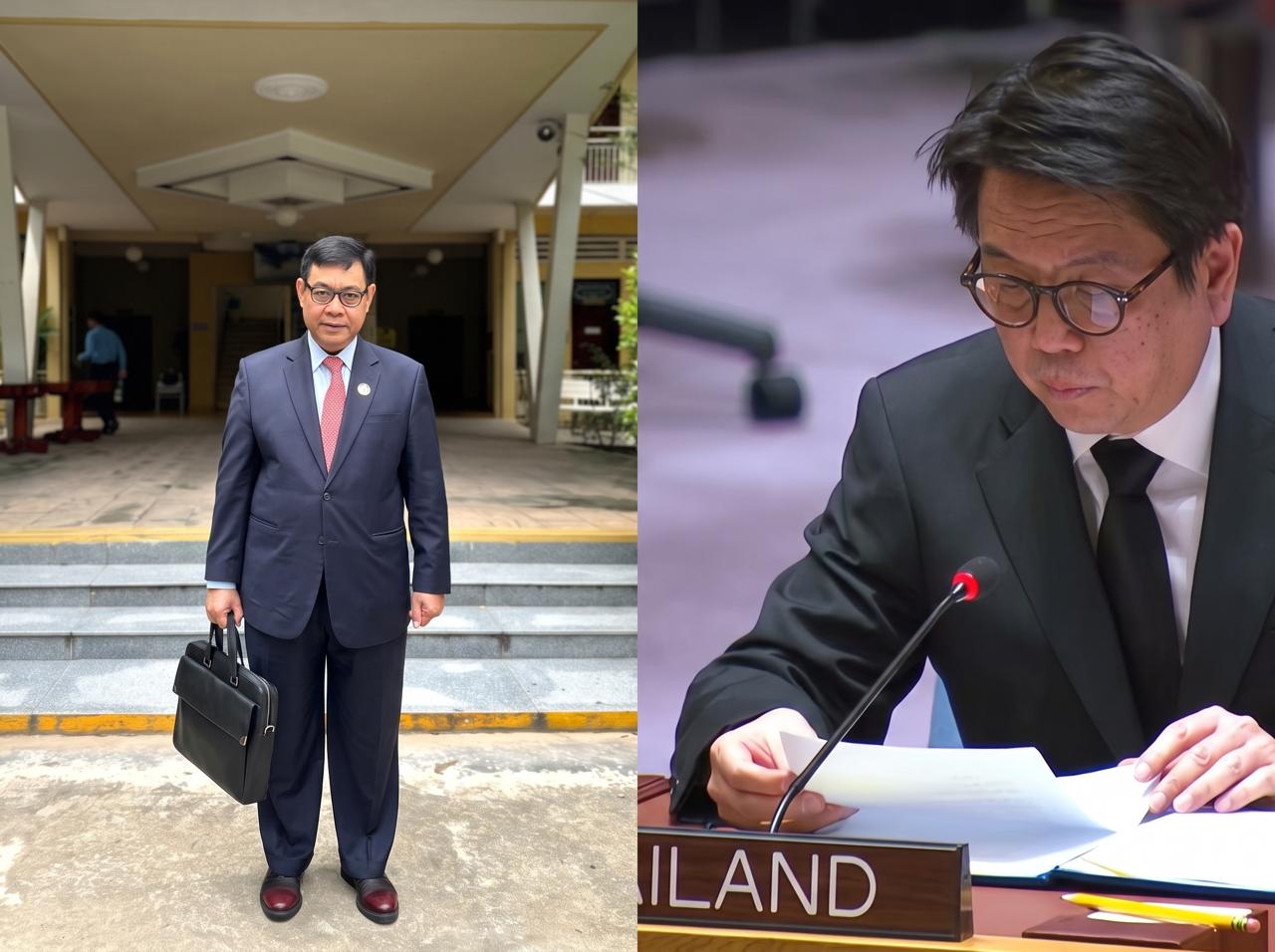
PHNOM PENH, Oct. 1, 2026 — Cambodian scholar Dr. In Sophal has challenged recent Thai claims concerning Cambodian communities in disputed border areas, citing historical United Nations records on the repatriation of Cambodian refugees from Thailand and the role of the United Nations Transitional Authority in Cambodia (UNTAC) during the 1993 election.
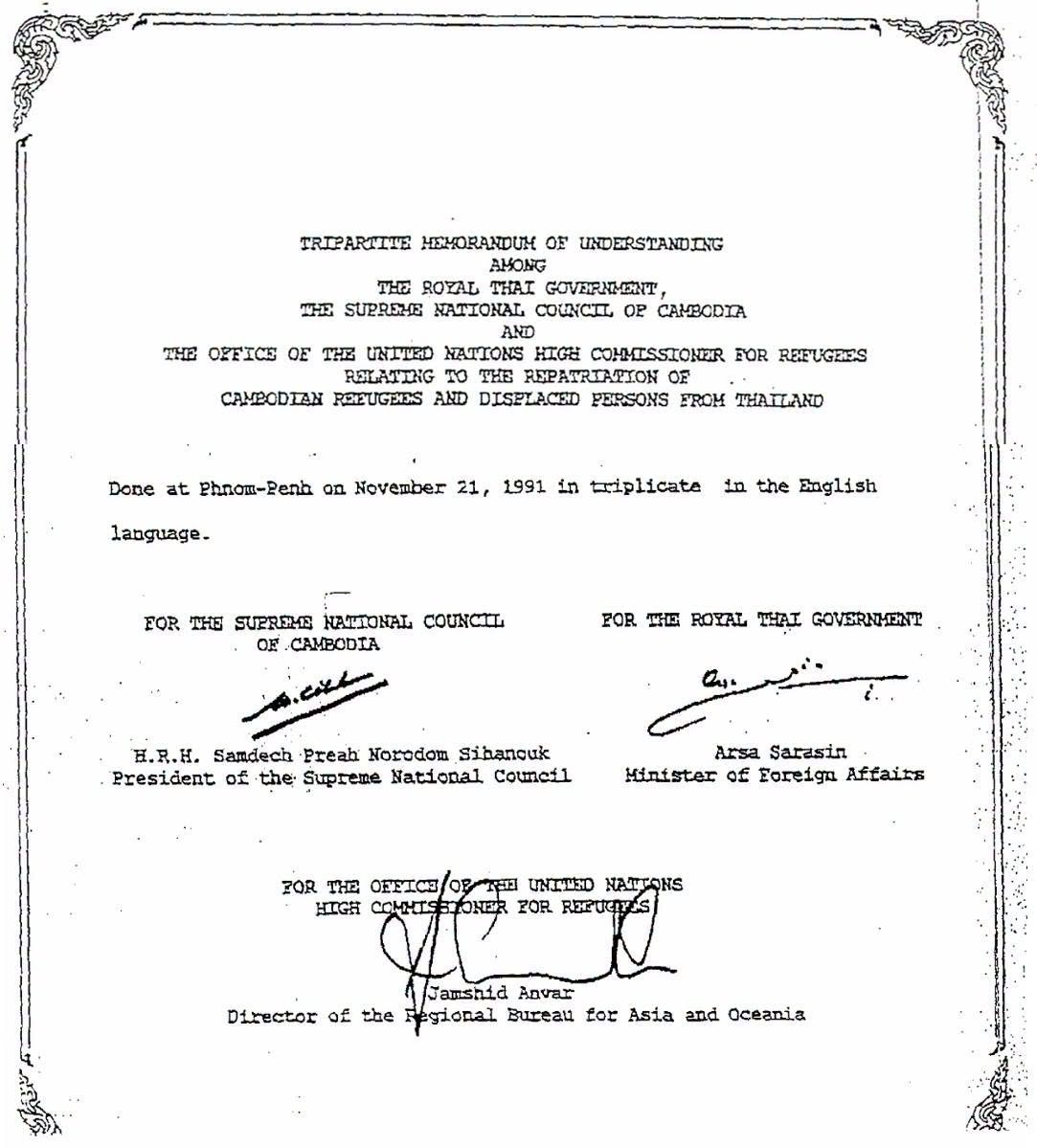
In a statement dated October 1, Dr. In Sophal referred to the Tripartite Memorandum of Understanding (MoU) signed on November 21, 1991, between the Royal Thai Government, the Supreme National Council of Cambodia (SNC) and the United Nations High Commissioner for Refugees (UNHCR).

The agreement established a framework for the voluntary repatriation of Cambodian refugees and displaced persons from Thailand. The agreement is recorded by UNHCR and identifies the parties as the Royal Thai Government, the SNC and UNHCR.
Dr. In Sophal specifically pointed to provisions concerning the need to complete repatriation before Cambodia’s general election so that as many returnees as possible could participate in the vote.
He also cited the staging arrangements established in Thailand for the repatriation operation, including Site 2, Site B, Site 8 and Khao I Dang. UNHCR records from the period confirm that staging areas had been established in three border camps and at Khao I Dang ahead of the operation.
More Than 385,000 Returned From Thailand
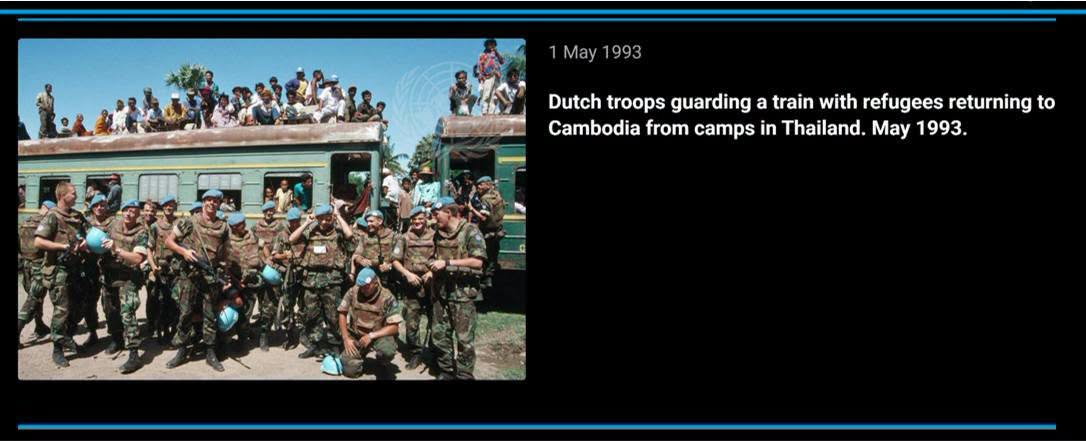
According to United Nations records, the first major repatriation movements began on March 30, 1992.
A UN report states that between March 30, 1992 and April 1993, a total of 387,180 people returned to Cambodia, of whom 385,172 came from Thailand. The same report says the main movement phase was completed by April 30, 1993, allowing most returnees to participate in the May 1993 elections.
A separate UN publication documenting the Cambodia operation also records the repatriation beginning in March 1992 and continuing through April 1993.
Dr. In Sophal used these historical records to question claims that Cambodian communities currently living in certain border areas should be regarded simply as refugees who have remained on Thai territory since the repatriation period.
Scholar Questions Territorial Claims
Dr. In Sophal also referred to areas including Prey Chan, Chouk Chey, Boeng Trakuon, Ou Phluk Damrei and Thma Da, arguing that these locations have historically been administered by Cambodian authorities.
He further questioned whether the presence and activities of UNTAC in such areas during the 1993 election could be reconciled with a claim that the areas were Thai territory.
However, the historical fact that UN agencies operated refugee-repatriation programmes or that UNTAC conducted activities in particular locations does not, by itself, constitute an international legal determination of sovereignty over those locations. Territorial status remains a matter governed by the relevant treaties, boundary arrangements, maps and mechanisms agreed between Cambodia and Thailand.
Cambodia Rejects Thai Claims
The statement comes amid renewed disagreement between Cambodia and Thailand over several border areas.
Cambodia’s Ministry of Interior recently rejected assertions by Thailand’s representative to the United Nations that Cambodian citizens in the Chouk Chey and Prey Chan areas had encroached on Thai territory. The Cambodian side argued that unilateral claims, military presence or physical barriers cannot themselves determine an international boundary and referred to the 1904 and 1907 agreements and the 2000 Cambodia-Thailand Memorandum of Understanding on border surveying and demarcation.
Dr. In Sophal’s statement similarly argues that historical UN records concerning refugee repatriation should be taken into account when assessing competing narratives about the current border situation.
The issue remains contested, with Cambodia and Thailand presenting different interpretations of the historical and legal status of several border areas.