Yang Peou Says Cambodia Must Learn From Ghost Mountain Tragedy and Remain Vigilant
 Yang Peou Says Cambodia Must Learn From Ghost Mountain Tragedy and Remain Vigilant
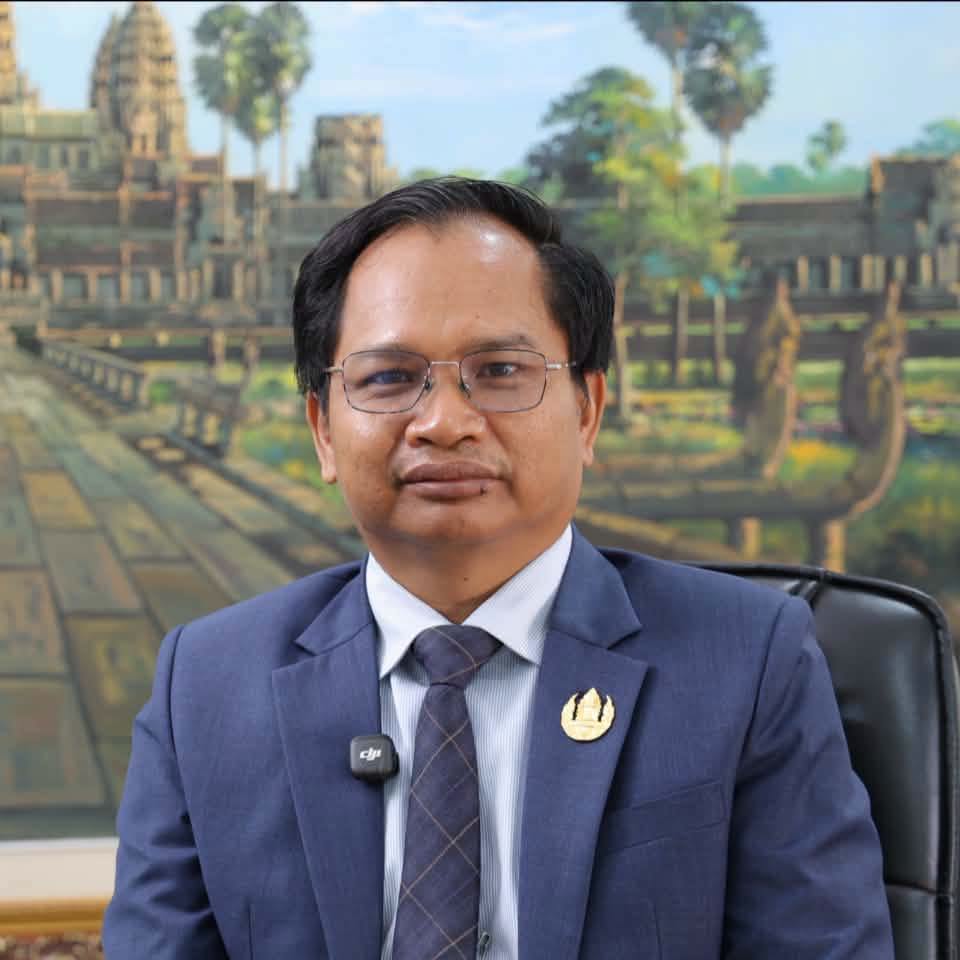
PHNOM PENH, October 27, 2026 — Cambodian scholar Yang Peou has warned that Cambodia must strengthen its awareness and self-protection, arguing that the 1979 Ghost Mountain tragedy and current events demonstrate what he described as Thailand’s intention to commit genocide against the Khmer people.
In a statement posted on his official Facebook page, Yang Peou wrote in Khmer: “The Ghost Mountain tragedy, together with current events, has confirmed that Thailand intends to commit genocide against the Khmer people. Therefore, Cambodians must be aware and strive to defend themselves.”
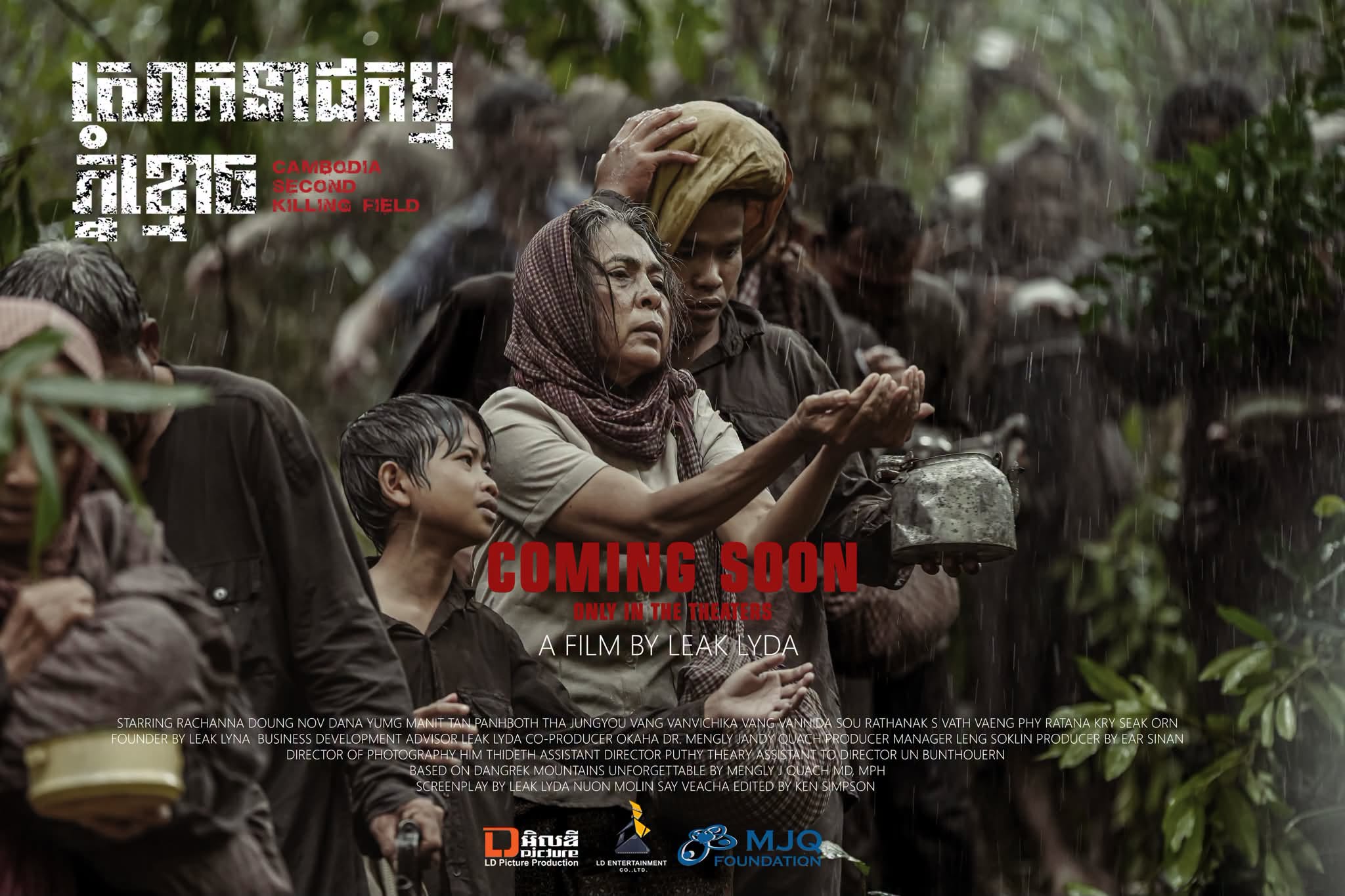
His remarks come amid renewed debate over the historical events surrounding the forced repatriation of Cambodian refugees in 1979 and the upcoming Cambodian film Ghost Mountain: Second Killing Field, which revisits the tragedy.
Ghost Mountain Tragedy Returns to Public Debate
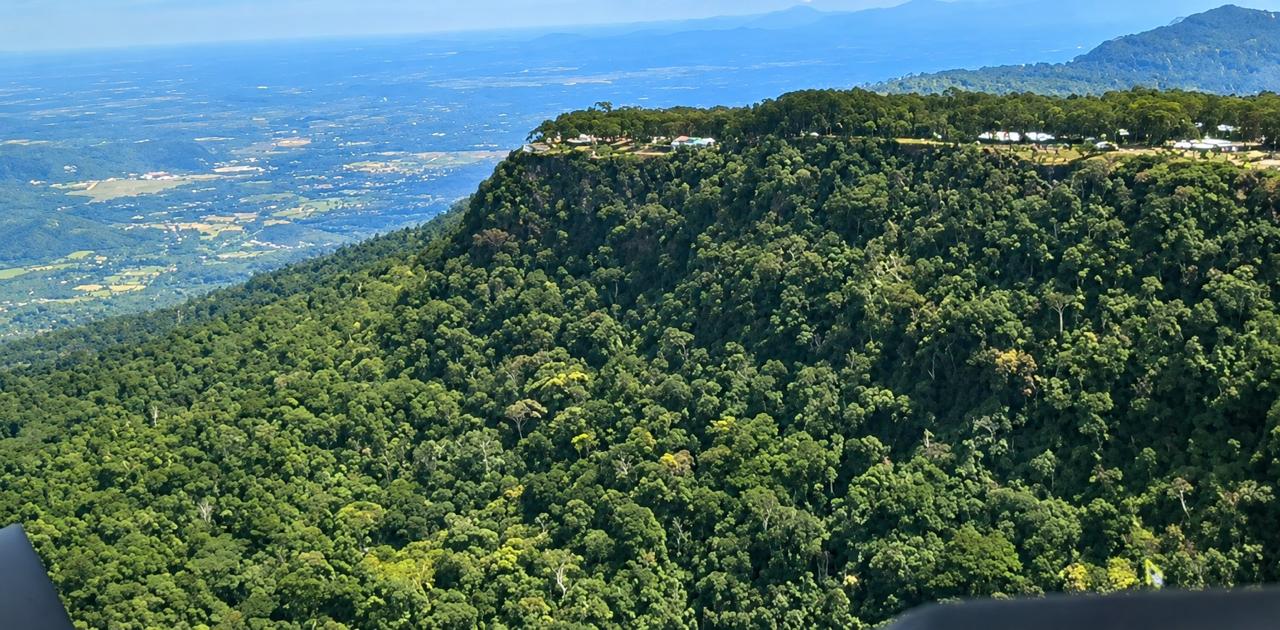
Historical accounts describe tens of thousands of Cambodian refugees being forcibly returned from Thailand through the Dangrek Mountains near Preah Vihear in June 1979. Refugees were reportedly forced down steep slopes and into dangerous, landmine-contaminated areas, resulting in thousands of deaths, although estimates vary.
The tragedy has resurfaced in public discussion as Cambodian filmmakers prepare to bring the events to a wider audience through cinema.
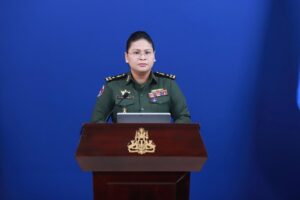
On October 24, Thailand’s military spokesperson, Maj Gen Winthai Suvaree, said the film was based on personal memories and included dramatic elements rather than serving as a definitive historical record. He said the Thai military would continue examining the production and its intentions, while warning against what he described as the distortion of history and the creation of hatred.
Thailand’s Joint Information Center has also acknowledged historical records concerning the forced return of Cambodian refugees in 1979 and the suffering and loss experienced by many people. However, it has called for distinctions between documented historical events and scenes created for dramatic purposes.
Yang Peou’s statement reflects the strong concerns surrounding Cambodia’s historical experiences and the continuing sensitivity of relations between the two neighbouring countries.
The renewed debate highlights the importance of examining historical events through credible documentation, survivor testimonies and independent research, while distinguishing established historical facts from political interpretations and allegations about present-day intentions.
As discussion surrounding the film continues, the challenge for both countries remains how to confront painful historical experiences without allowing competing national narratives to deepen hostility between their populations.