
Thailand Hotel Closures Surge 42% as Tourism Recovery Fails to Reach Many Businesses
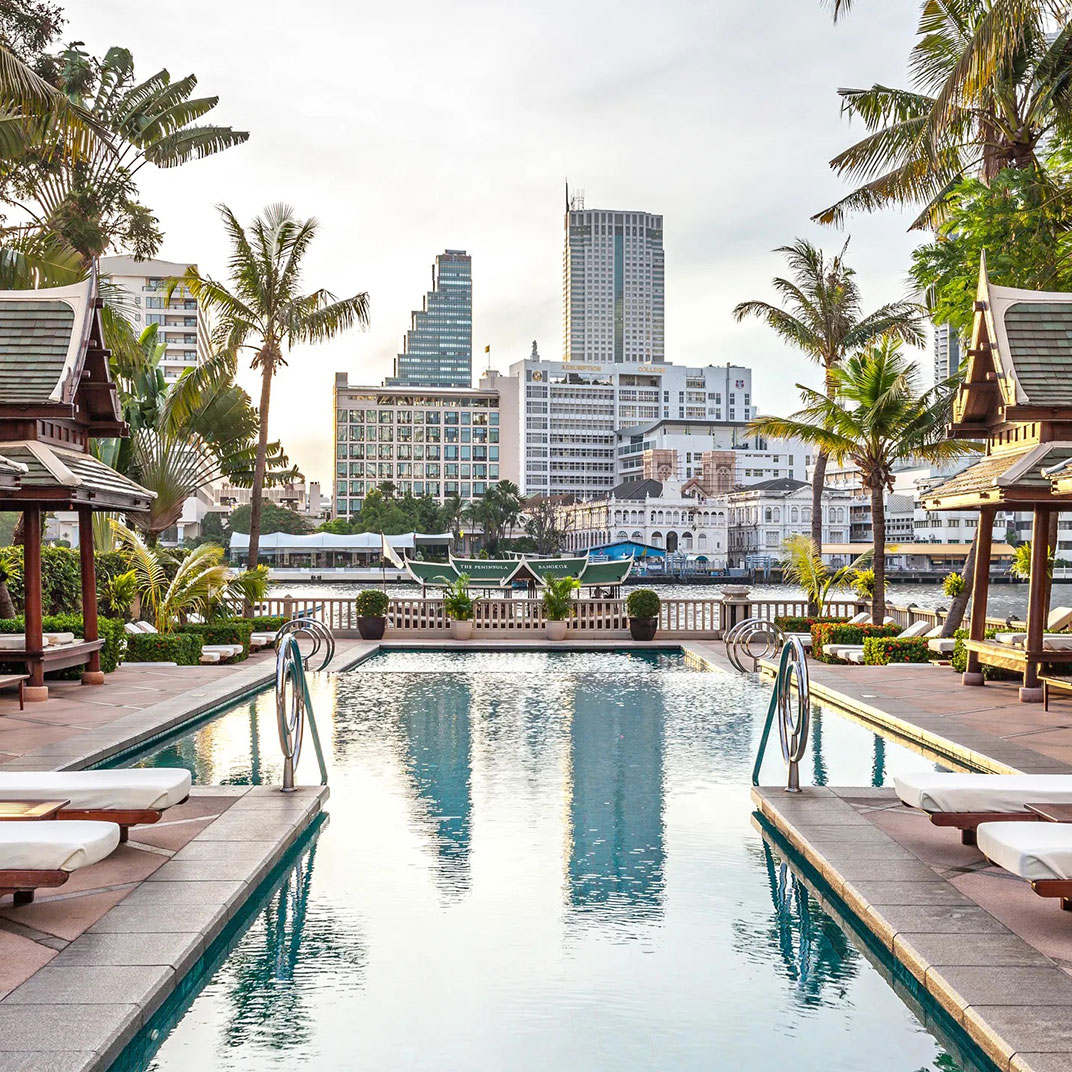 Thailand Hotel Closures Surge 42% as Tourism Recovery Fails to Reach Many Businesses
BANGKOK, October 27, 2026 — Thailand recorded 148 hotel and accommodation business closures in the first nine months of 2026, a 42% increase from the same period last year, as operators face uneven tourism recovery, rising costs and intensifying competition, according to KASIKORN RESEARCH CENTER (KResearch).
The increase follows a difficult 2025, when approximately 51% of accommodation operators reported losses. Smaller businesses were particularly vulnerable, with 54% recording losses and 42% accumulating losses for three consecutive years from 2023 to 2025. Across the sector, 38% of operators reported accumulated losses over the same period.
Revenue Grows Despite Uneven Recovery
Thailand’s hotel and accommodation market is expected to reach approximately 1.1 trillion baht in 2026, representing 2.6% growth from 2025. Accommodation accounts for around 77% of sector revenue, while catering, meetings, seminars, food and beverage services make up the remainder.
The industry comprises approximately 15,000 operators, more than 98% of which are small and medium-sized businesses, employing around 430,000 people. Its value is equivalent to approximately 5.7% of Thailand’s GDP at current prices, KResearch said.
Despite the market’s projected growth, the recovery remains uneven. National hotel occupancy increased by just 0.18% year on year in the first nine months of 2026, while 19 provinces recorded declines.
New business registrations also fell 31.2% to 779 during the period, although the figure remained above the comparable level in 2024.
Visitor Numbers Lag Behind Expanding Room Supply
KResearch expects Thailand to welcome 31.4 million foreign visitors in 2026, down 4% from 2025 and equivalent to only around 79% of the 2019 level. Factors weighing on arrivals include competition from other destinations, weaker economies in source markets, safety concerns and geopolitical tensions.
In 2025, visitor numbers from 18 important markets—including China, South Korea, Japan, Laos, the United States and Scandinavian countries—remained below pre-pandemic levels.
Meanwhile, Thailand’s accommodation capacity continues to expand. The country had approximately 876,000 hotel and accommodation rooms in the first half of 2026, up 3.4% from the end of 2025 and 11.7% from 2019. Room numbers increased in 64 provinces, particularly Bangkok, Phuket, Surat Thani and Chiang Mai.
The imbalance between supply and demand has reduced the number of overnight visitors per room from 249 in 2019 to 228 in 2026. KResearch expects average daily room rates to decline by 0.8% this year.
Rising Costs and Regulation Pose Further Risks
Competition also comes from short-term rental properties. AirDNA data cited by KResearch showed approximately 50,000 rental units across Bangkok, Phuket, Chonburi, Chiang Mai and Surat Thani in October 2026, equivalent to around 10% of registered rooms in those markets. Their average occupancy over the preceding 12 months was approximately 60%.
Looking ahead, KResearch forecasts between 31 million and 33 million foreign arrivals in 2027, ranging from a 1% decline to 5% growth. Hotel occupancy is projected at 69.58% to 71.69%, while domestic trips could reach 205.5 million to 208 million.
Operators also face potential increases in energy, electricity, transport, food, supplies and online travel agency fees. Variable costs account for approximately 40% to 45% of hotel expenses.
Proposed amendments to Thailand’s Accommodation Act could add further pressure by bringing homestays, hostels, boutique hotels and sharing-economy properties under broader regulation.
The outlook suggests that, despite growth in the overall market, many Thai accommodation businesses will continue to face significant challenges in balancing operating costs, room supply and visitor demand.