From Temple Floats to Boat Races: Siem Reap’s Distinctive End-of-Lent Traditions
 From Temple Floats to Boat Races: Siem Reap’s Distinctive End-of-Lent Traditions
SIEM REAP, October 28, 2026 — Communities around Cambodia’s Tonle Sap Lake are preserving distinctive religious and cultural traditions to mark the end of Buddhist Lent, including ceremonial boat processions and offerings to local spirits in Kampong Phluk commune.
The festival, known as the end of Buddhist Lent, takes place on the 15th day of the waxing moon in the month of Assuj. In Buddhist monastic tradition, the day is called Pavarana, when monks invite one another to point out any faults or conduct that may require correction after completing three months of Buddhist Lent.
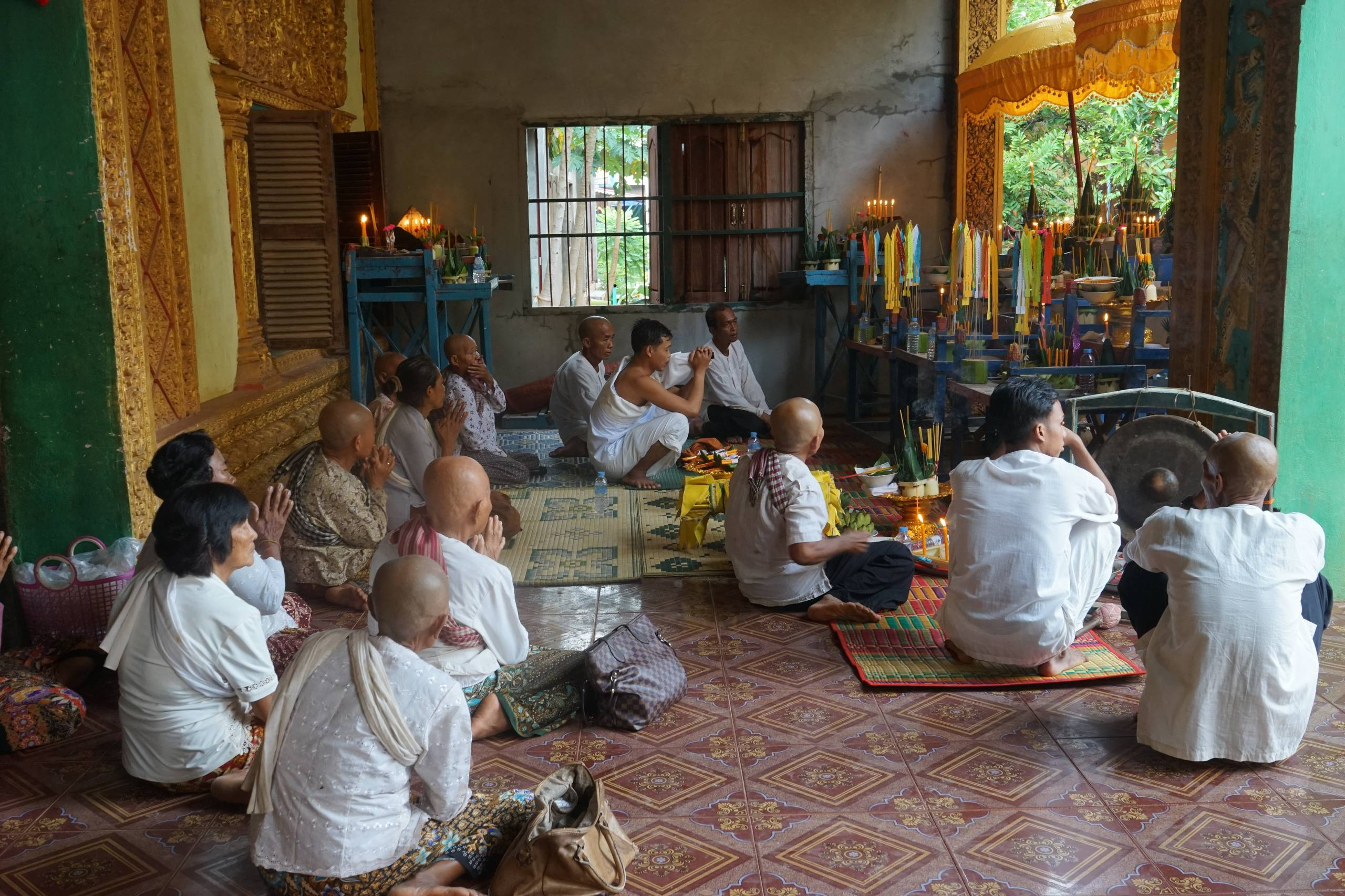
Although the Pavarana ceremony is primarily a monastic observance, Buddhist devotees traditionally bring offerings and food to pagodas in the morning and attend religious sermons. Many also listen to the Vessantara Jataka, a Buddhist story associated with the cultivation of merit.
Ceremonial Boats Carry Offerings Along Rivers
In some pagodas in Siem Reap, particularly communities around Tonle Sap Lake, the end-of-Lent observance includes the preparation of ceremonial boats known locally as sampov or sangkhik.
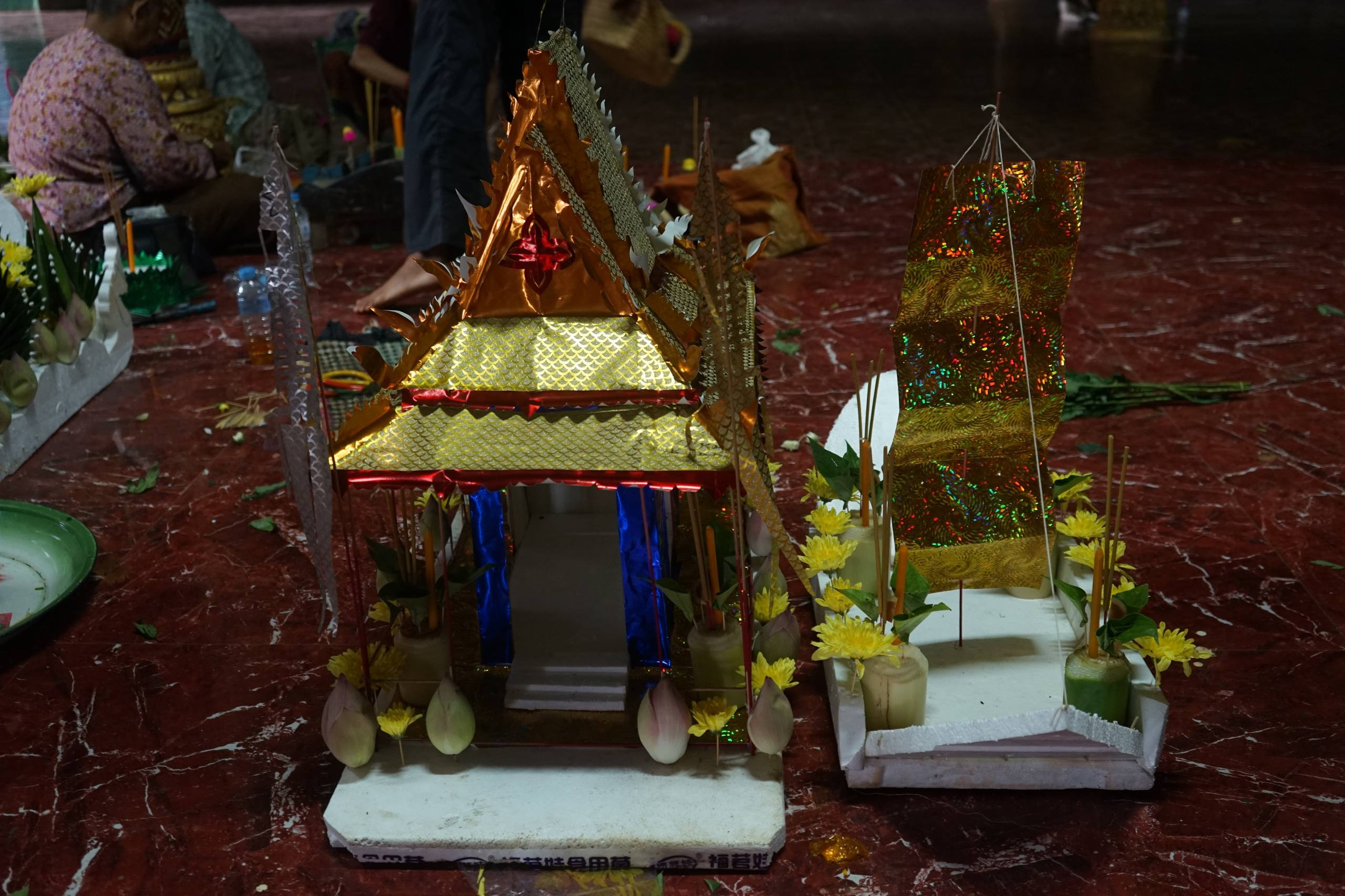
These boats are decorated and loaded with a variety of offerings and household supplies, including coconut-leaf arrangements, traditional food, desserts, cooked chicken, fruit, drinking water, rice, cooking utensils, firewood and decorative items. Some preparations also include alcohol and betel-chewing materials.
The ceremonial boats are floated along streams and rivers at night as part of local religious and cultural customs.
Kampong Phluk Holds Traditional Boat Ceremony
In Kampong Phluk commune, villagers traditionally organise a boat ceremony to honour local guardian spirits on the day marking the end of Buddhist Lent, when water levels are said to have stabilised and stopped rising.
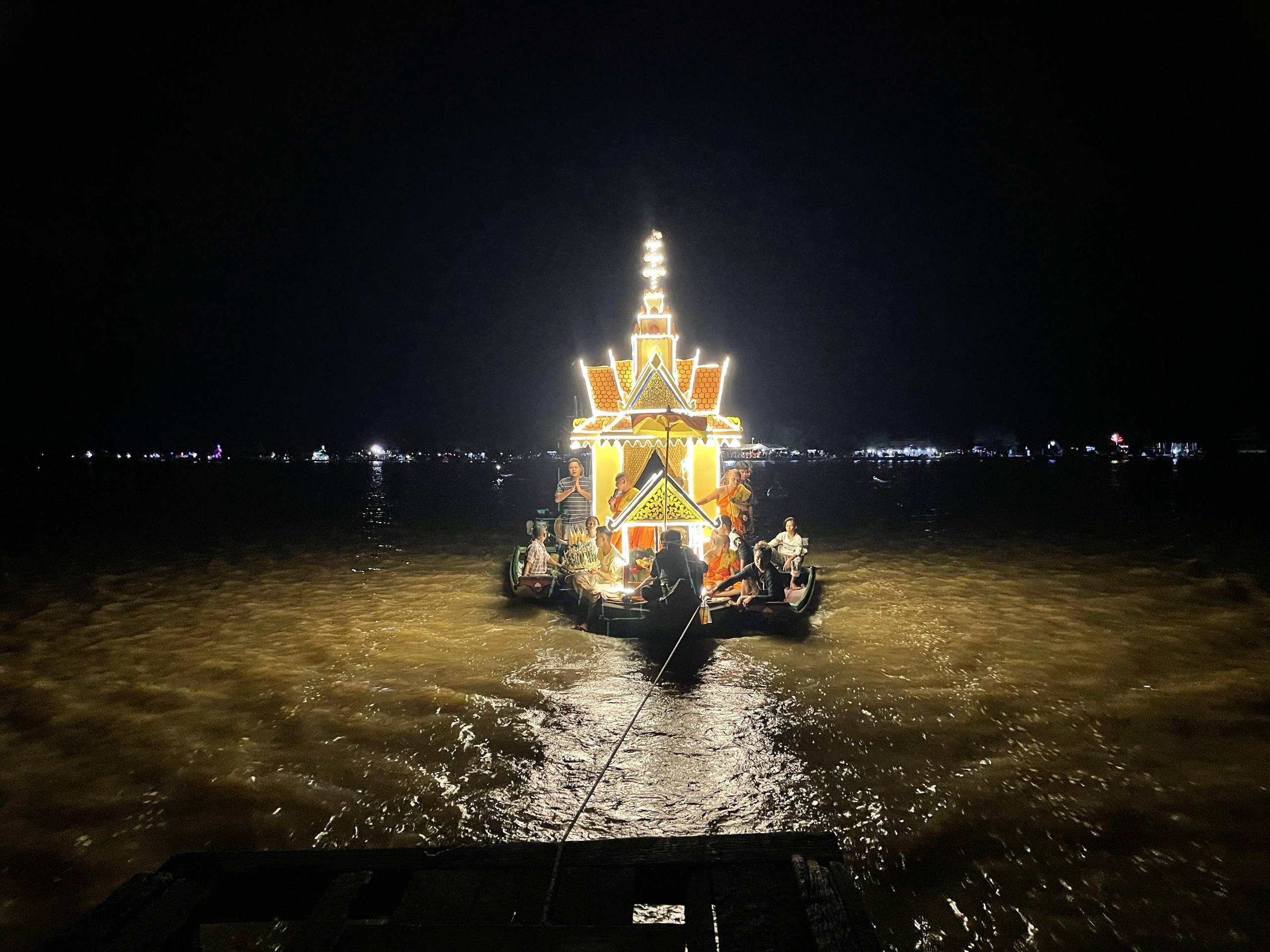
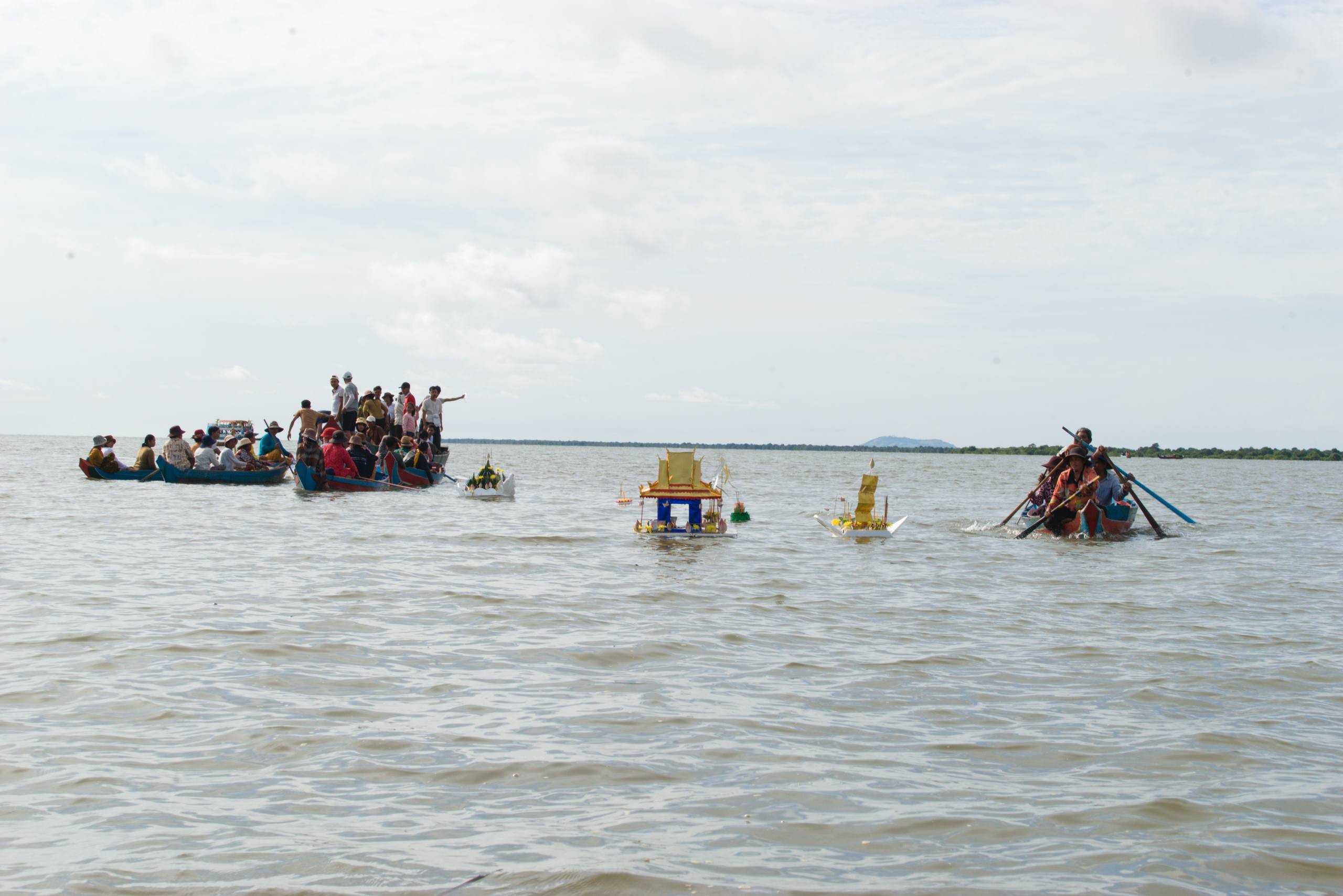
Preparations begin at the pagoda a day before the main event. Villagers create illuminated floats shaped like temples, placing traditional offerings inside for the guardians of water and land, including the Naga King and Ta Kong Kuoch.
They also prepare larger boat-shaped offerings, with a prominent sail in the centre, intended for local spirits.
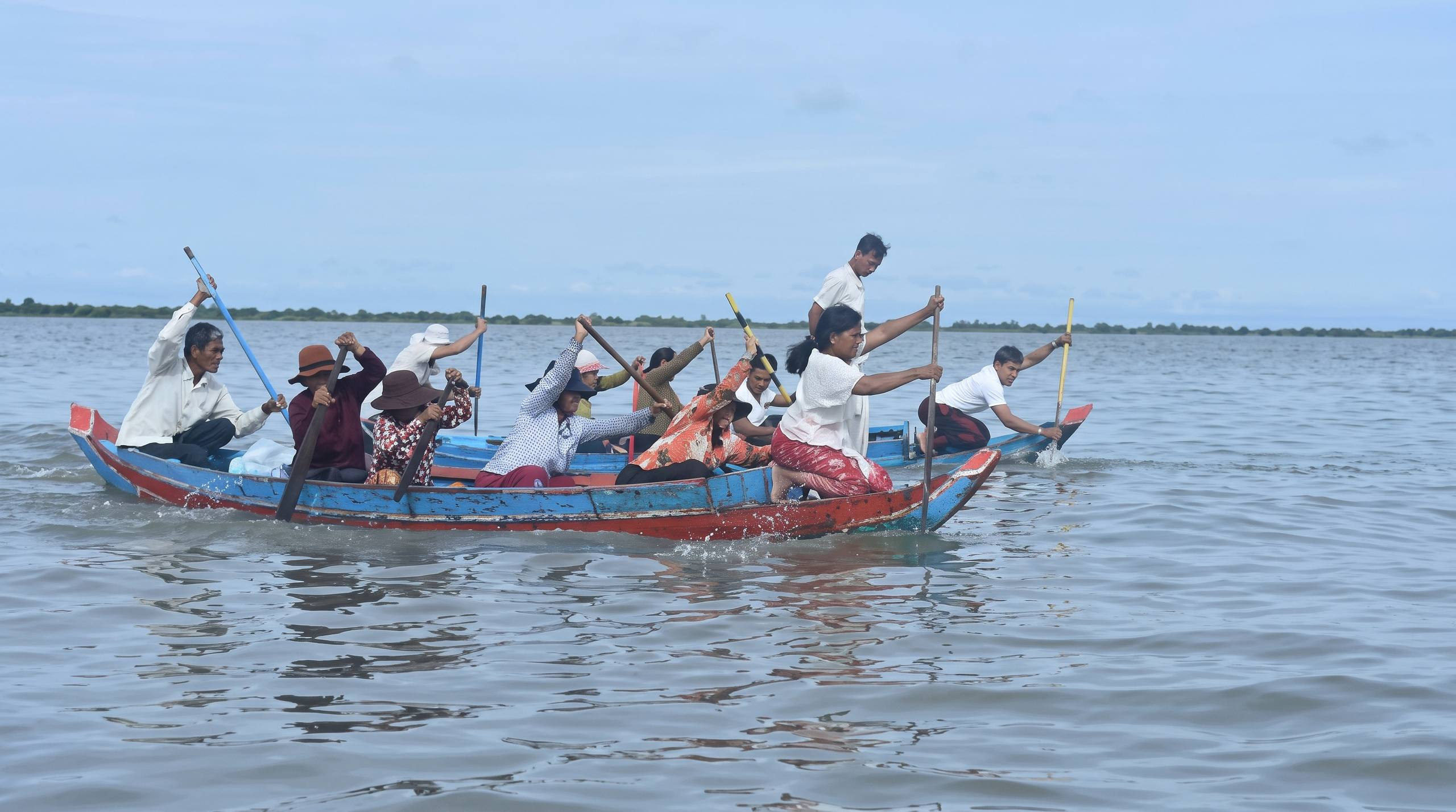
In the afternoon, residents gather rowing boats, including traditional boats used in the local fishing community, and paddle between the village and the river mouth in a festive atmosphere. Villagers contribute money and traditional sweets to support the celebration.
Boat Races and Rituals to Protect the Village
The procession then heads towards the river mouth near Koh Ta Poput Thuk, where boat races are organised. A ceremonial representative of the guardian spirit stands aboard a boat and directs the proceedings.
After the spirit’s representative has participated in the boat festivities and danced to traditional music, villagers release the illuminated floats and ceremonial boats into the water. They then row around the area three times in a ritual circumambulation.
According to local tradition, the boats continue beyond the village to Koh Raing, east of the settlement, before returning home. This final journey is known as bangvaeng daan, a ritual intended to prevent spirits or supernatural beings from following villagers back into their community.
The annual observance reflects the close relationship between Buddhist religious practice, local spiritual beliefs and the lives of communities surrounding Tonle Sap Lake, helping preserve cultural traditions passed down through generations.