
Anutin’s Latest Border Stance Sparks Renewed Calls in Cambodia to Boycott Thai Products
 Anutin’s Latest Border Stance Sparks Renewed Calls in Cambodia to Boycott Thai Products
PHNOM PENH, October 31, 2026 — Cambodian experts have urged consumers to maintain their boycott of Thai products, warning that the movement appears to be losing momentum even as Thai goods continue to enter and circulate in Cambodia’s markets.
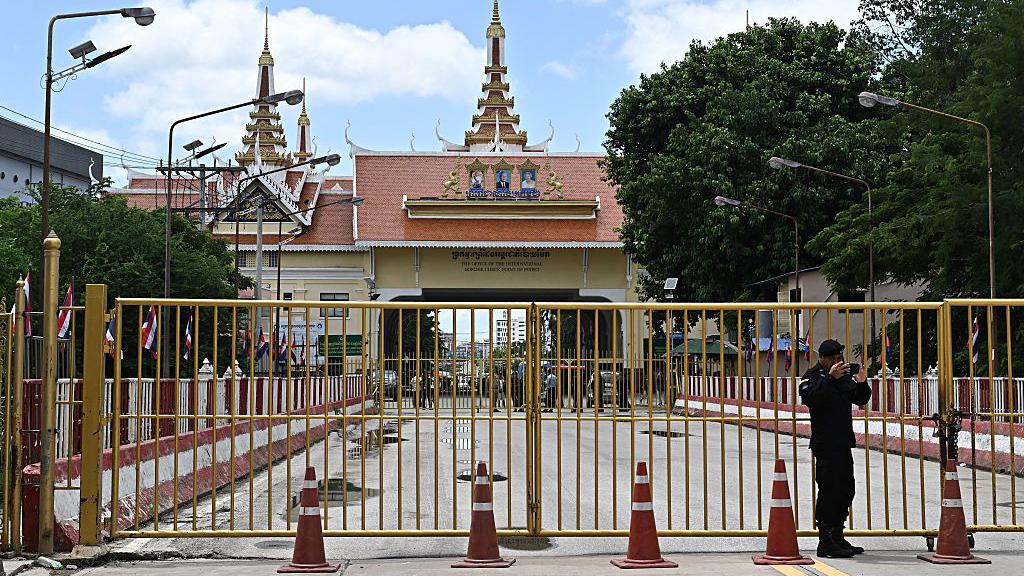
The call comes after Thai Prime Minister Anutin Charnvirakul reiterated that Thailand would maintain the border closures with Cambodia, despite economic difficulties facing Thai businesses and residents in border communities.
Some Cambodian experts view the prolonged closures as an opportunity for domestic businesses to expand production, strengthen competitiveness and capture a larger share of the local market previously occupied by Thai products.
However, they warn that continued smuggling and the illegal importation of Thai goods could undermine both consumer efforts to support Cambodian products and the growth of local manufacturers.
Experts say border closures could benefit Cambodian producers
Keo Mom, president of the Cambodia Chamber of Micro, Small and Medium Enterprises, described Thailand’s decision to maintain the border closures as a potential economic advantage for Cambodia.
She argued that Thailand could suffer greater economic losses from prolonged closures, while Cambodian manufacturing industries could benefit from more opportunities to expand and develop.
However, she identified the continued illegal entry of Thai products through smuggling as a major challenge, saying it undermines the commitment of Cambodian consumers who have chosen to boycott those goods and support local producers.
Keo Mom stressed that stronger action against smuggling must be accompanied by a change in consumer attitudes, encouraging Cambodians to take greater pride in and support products made in their own country.
Boycott movement appears to be losing momentum
Economic and social researcher Dr. Chey Tech also observed that the border closures and boycott movement had helped increase domestic production and consumption of Cambodian-made products.
However, he said public participation in the boycott appeared to have declined, while Thai products remained available in Cambodian markets.
He urged Cambodian consumers to continue the boycott, describing it as an effective means of applying economic pressure on Thailand.
Chey Tech also suggested that the border dispute was unlikely to result in a permanent closure, arguing that the two neighbouring countries would eventually need to restore cross-border trade, transportation and production links.
He said the crossings could reopen under a future Thai government even if they remained closed during Anutin’s administration.
Quality and competitiveness key to long-term success
Political science expert Dr. Kin Phea said the border closures presented an opportunity for Cambodian businesses to expand production and compete with imported Thai goods.

However, he stressed that long-term success would depend on improving product quality and standards, alongside stronger support from consumers and the Cambodian government.
Kin Phea assessed that the closures could continue for an extended period, arguing that Thailand’s current government was using the border issue with Cambodia as a political tool to maintain its political position.
He added that whether the border remained open or closed, the decision to boycott Thai products ultimately rested with the choices and commitment of individual Cambodian consumers.
Cambodia-Thailand trade declines by more than 28%
According to figures from Cambodia’s General Department of Customs and Excise, bilateral trade between Cambodia and Thailand totalled more than US$2 billion during the first nine months of 2026, representing a decline of more than 28% compared with the same period last year.
Cambodia imported more than US$1.5 billion worth of goods from Thailand, down more than 33%, while Cambodian exports to Thailand exceeded US$500 million, representing a decline of more than 6%.

The figures illustrate the significant contraction in bilateral trade amid continued border tensions.
As the dispute continues, Cambodian experts say the country has an opportunity to strengthen its domestic industries, but maintaining that progress will require better product standards, effective action against illegal imports and sustained consumer support for locally made goods.