Thailand Urges Households to Prepare 72-Hour Emergency Bags
 Thailand Urges Households to Prepare 72-Hour Emergency Bags
BANGKOK, November 3, 2026 — Thailand’s Department of Disaster Prevention and Mitigation (DDPM) has urged households to prepare emergency bags containing enough food, drinking water, medicine and essential supplies to survive for at least 72 hours, citing growing international concerns over conflicts in the Middle East and the importance of disaster preparedness.
DDPM Director-General Nirat Pongsitthithavorn said several countries had advised their citizens to stockpile essential supplies for three days amid uncertainty surrounding the situation in the Middle East.
Although Thailand is not directly facing the same risks, he stressed that preparing an emergency bag was a basic precaution that could help households respond to unexpected situations.
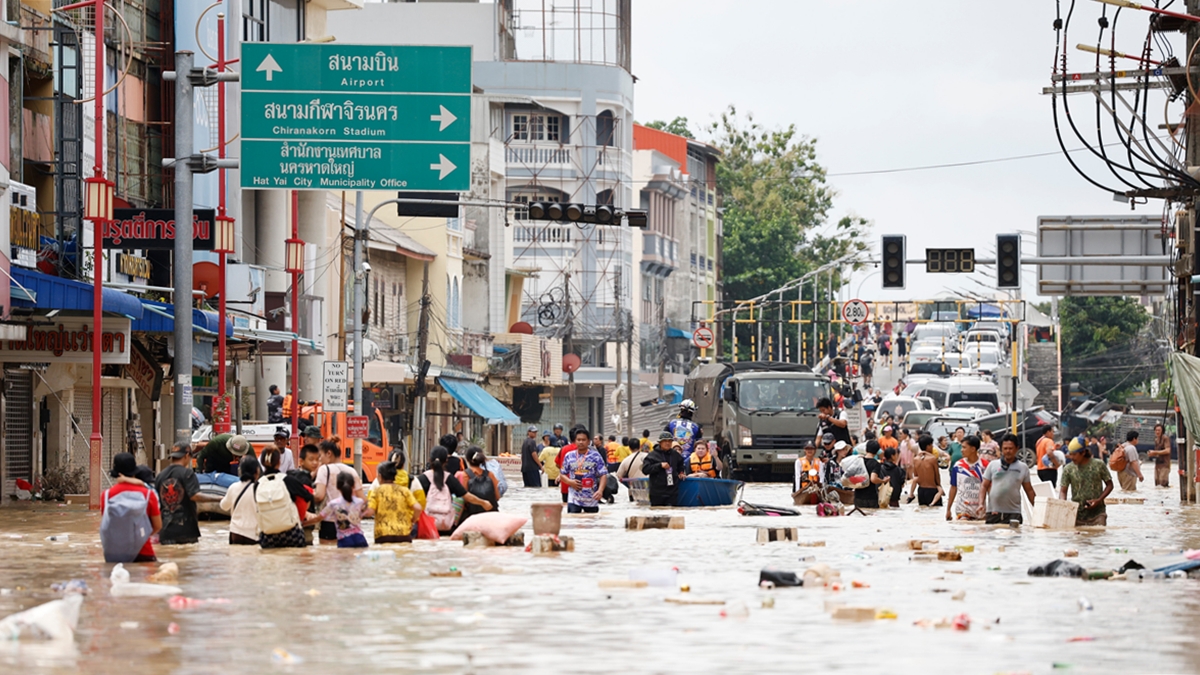
The recommendation is intended not only for international conflicts but also for natural disasters such as flash floods, landslides and earthquakes, as well as disease outbreaks, fires, riots and other emergencies.
According to the DDPM, the first 72 hours following a disaster are particularly critical because affected residents may need to rely on their own supplies while authorities organise emergency assistance.
Six categories of essential emergency supplies
The department recommends that every household prepare an emergency bag containing the following supplies:
1. Medicine and healthcare
- First-aid kits and basic medicines
- Prescription medication
- Personal medical records
2. Food and drinking water
- At least three litres of drinking water per person per day
- Ready-to-eat meals and high-energy snacks
- Special food for children, elderly people and those with specific medical needs
3. Communication devices and emergency tools
- Mobile phones and power banks
- Flashlights, spare batteries and battery-powered radios
- Whistles, candles and lighters
- Notebooks, pens, pocket knives, scissors, ropes and tape
4. Important documents and cash
- Copies of identification cards and household registration documents
- Health insurance cards and driving licences
- Bank books and land title deeds
- Spare keys and cash in case electronic payment systems become unavailable
- Important documents should be kept in waterproof bags.
5. Personal hygiene supplies
- Tissues, toothbrushes and toothpaste
- Personal toiletries and rubbish bags
6. Clothing and shelter essentials
- Spare clothes, raincoats and hats
- Blankets and sleeping bags
- Emergency bags should be ready for immediate evacuation
Nirat urged households to keep emergency bags ready for immediate evacuation, regardless of whether an emergency arises from a natural disaster, cyberwarfare or international conflict.
He recommended using lightweight, waterproof bags and storing them in easily accessible locations. Supplies should also be checked regularly to ensure they remain usable and have not passed their expiry dates.
The DDPM said it had prepared disaster-response equipment, emergency personnel and early warning systems, including Cell Broadcast alerts, to respond to potential emergencies.
The department added that it would continue coordinating with relevant government agencies on emergency response and relief operations to protect the public.