Restored West Mebon Temple Reflects Cambodia-France Cooperation in Cultural Heritage Preservation
 Restored West Mebon Temple Reflects Cambodia-France Cooperation in Cultural Heritage Preservation
SIEM REAP, November 10, 2026 – French President Emmanuel Macron’s upcoming visit to the restored West Mebon temple at Angkor is highlighting France’s more than century-long involvement in documenting, researching and conserving Cambodia’s ancient Khmer heritage.
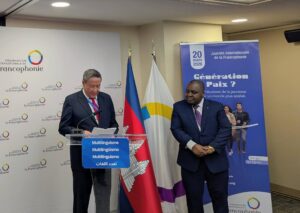
Macron and King Norodom Sihamoni are scheduled to inaugurate the nearly 1,000-year-old temple on the sidelines of the 20th Francophonie Summit in Phnom Penh on November 15–16, 2026.
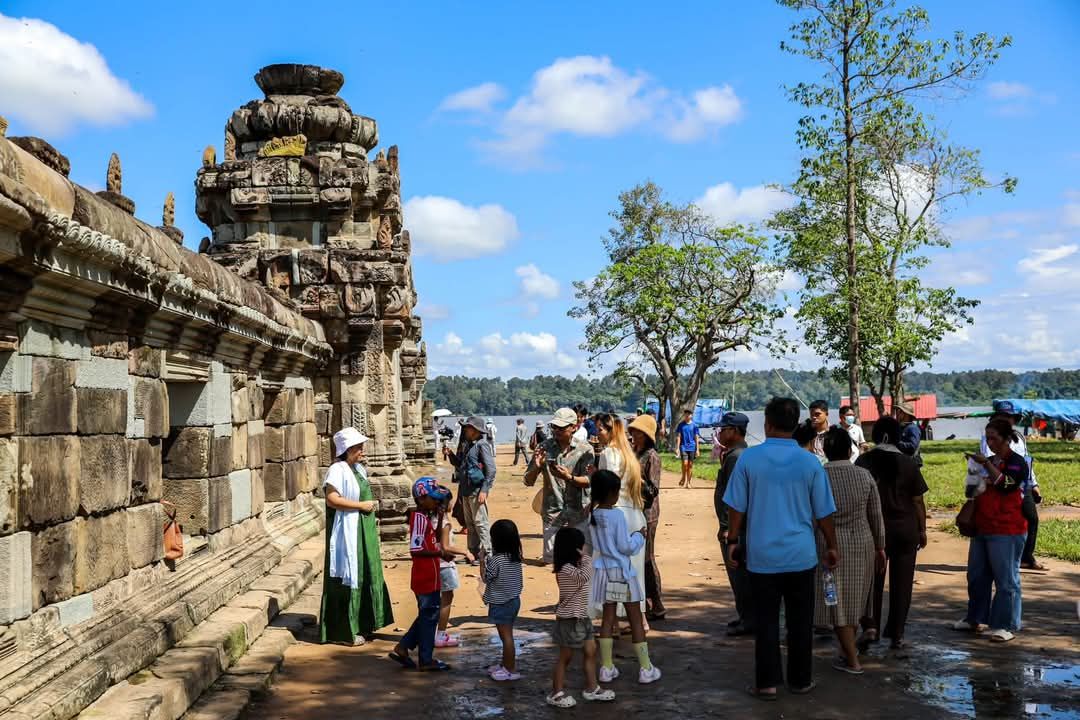
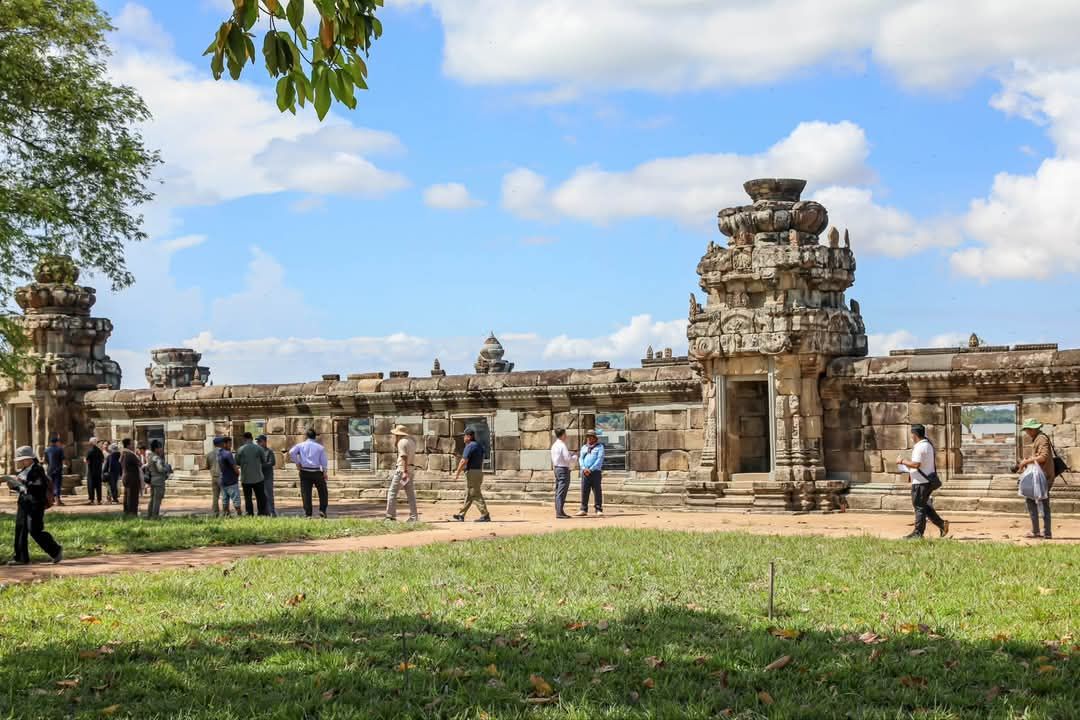
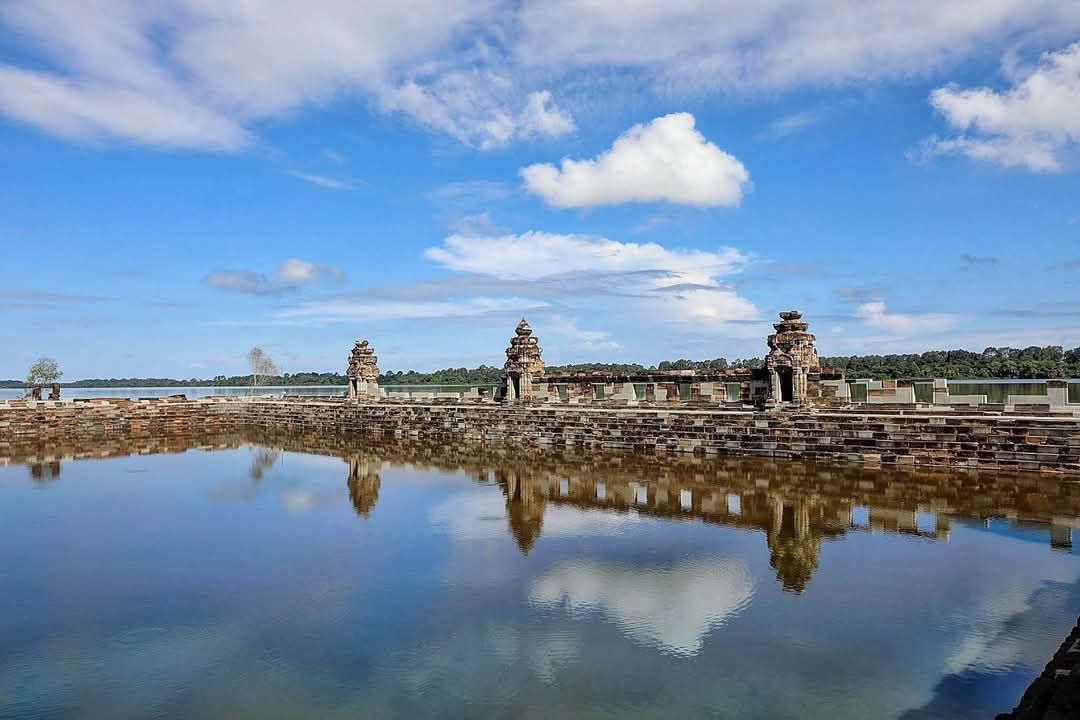
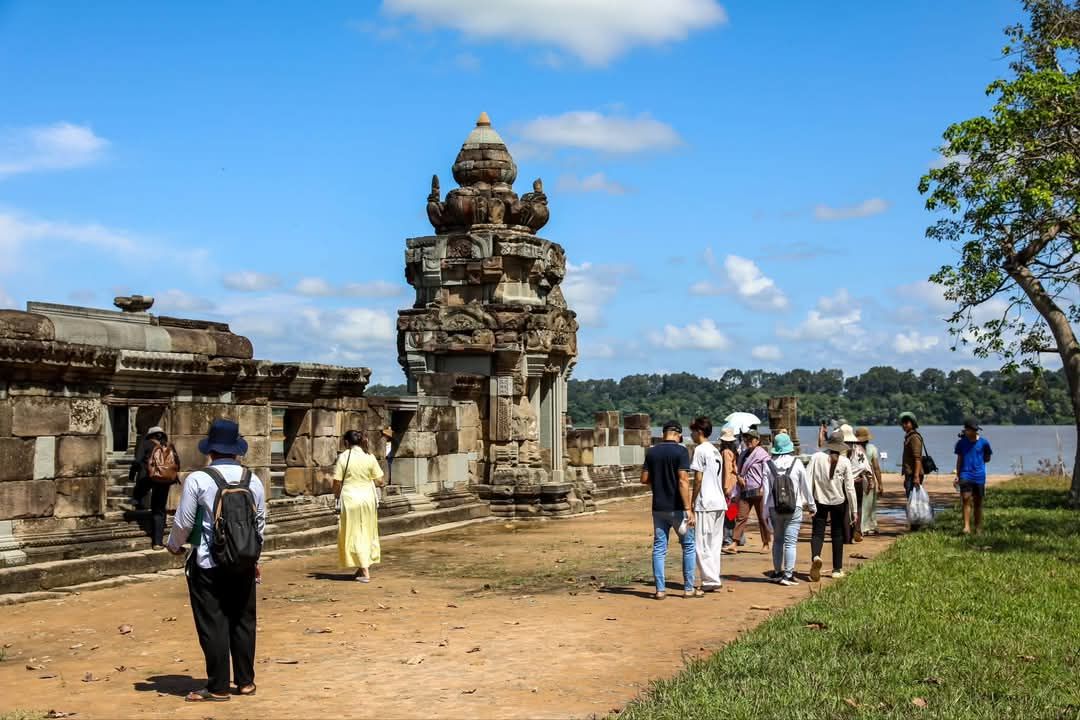
Located on an island in the West Baray reservoir within the Angkor archaeological complex, West Mebon has undergone 14 years of restoration. Conservation teams have restored most of its original 16 towers and surrounding walls, completing a major project that has been described as assembling a giant three-dimensional puzzle without an original reference model.
The temple is also associated with the discovery of the Reclining Vishnu, the largest bronze statue ever found in Cambodia, which is now touring internationally. According to French project coordinator Sarah Coudry, the statue was discovered after a villager reportedly dreamed in 1936 that the Buddha had asked to be freed from beneath the earth.
France’s century-long conservation legacy
A central institution in the preservation of Angkor has been the French School of Asian Studies (EFEO), which began clearing, cataloguing and safeguarding archaeological remains in 1908 under French government supervision.
Over the decades, the institution has built an extensive collection of archaeological records, photographs and research documenting the ancient Khmer capital.
Although France’s colonial legacy remains contested, archaeologist Roland Fletcher of the University of Sydney said the country’s contribution had helped bring one of humanity’s greatest cultural achievements to international attention.
France’s conservation role extends beyond Angkor. At the EFEO centre in Siem Reap, specialists have also completed the restoration of a five-metre-high, seven-tonne Dancing Shiva statue from the Koh Ker heritage site. Looters had broken the sculpture into thousands of fragments during the 20th century before restoration work returned it to its former appearance this year.
EFEO director Eric Bourdonneau said the institution also conducts research across disciplines, including manuscript studies, linguistics and anthropology, to deepen understanding of Cambodia’s history and society.
International cooperation and Cambodian expertise
Since Cambodia gained independence in 1953, conservation at Angkor has increasingly involved international partners, including Japan, South Korea, India and China. However, France retains a distinctive position because of its extensive historical documentation and more than a century of archaeological research.
Kim Sothin, deputy director of the APSARA National Authority, said French records remain important resources for Cambodian researchers and archaeologists. He noted that studying older French-language documents is essential for understanding the history of archaeological sites and monumental architecture.
At the same time, Cambodian professionals are increasingly developing the skills needed to preserve their own heritage.
Cambodian architect Meng Sovanlylin, 32, who has received training from French specialists, said knowledge was being passed from older generations to younger professionals, allowing them to gain practical experience and eventually work independently.
For local workers, international conservation projects also provide employment and social benefits. Phem Phan, a 65-year-old worker involved in restoration activities, said the work offered decent wages and pensions.
Macron’s visit to West Mebon therefore highlights not only France’s historical involvement in Angkor’s preservation but also the continuing international cooperation and growing Cambodian expertise behind efforts to safeguard the country’s cultural heritage.
France 24