
Ten Aquatic Species Fail Safety Tests in Thailand’s Kok River
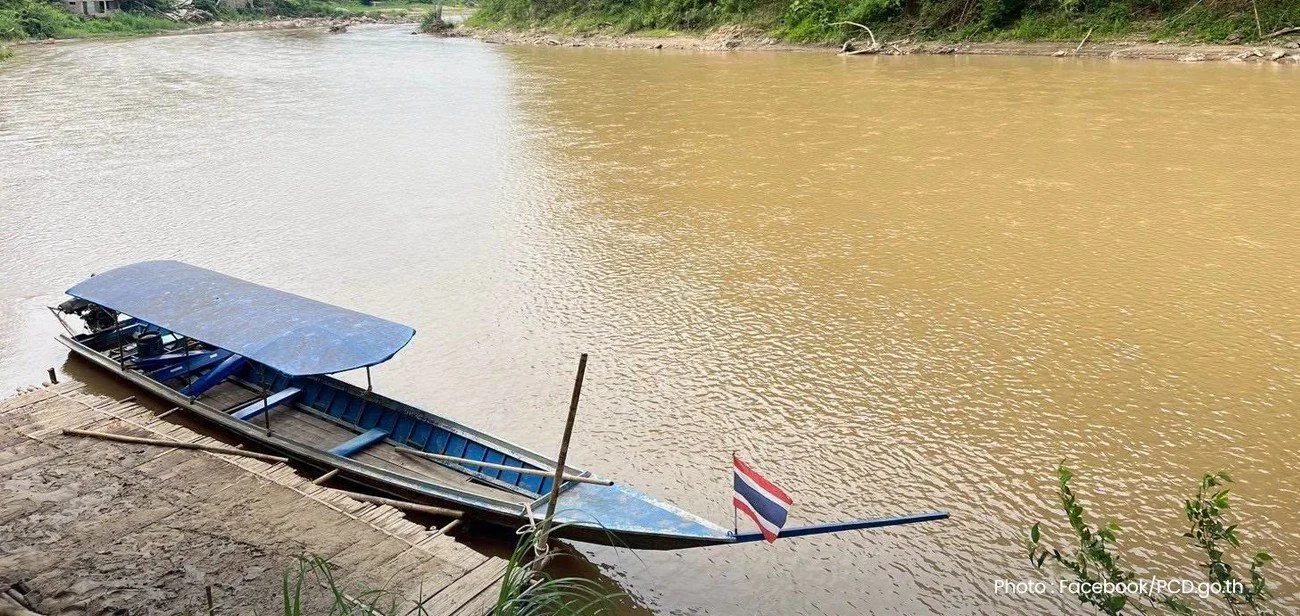 Ten Aquatic Species Fail Safety Tests in Thailand’s Kok River
CHIANG RAI, November 24, 2026 — Tests on aquatic life in Thailand’s Kok River have found toxic contaminant levels exceeding safety limits in 10 species, prompting authorities to advise the public against consuming aquatic animals from affected areas.
Random testing of samples from 300 aquatic species identified 10 with contaminant levels above permitted limits, officials said on Monday.
The affected species include freshwater shrimp, golden apple snails, river snails and two types of freshwater mussels, locally known as hoi kap nam chuet and hoi kraphong nam chuet.
Five fish species were also identified: pangasius catfish, soldier river barbs, yellow mystus, northern black sheatfish and sicklefin barbs.
Officials said these species live or feed near the riverbed, where contaminated sediments pose a greater risk of exposure.
Government agencies coordinate response
Senior officials from several government agencies met at the Department of Marine and Coastal Resources (DMCR) in Bangkok on Monday to review water quality findings and coordinate measures to protect the public and people involved in river-based aquaculture.
Those attending included Phadet Laithong, deputy permanent secretary at the Ministry of Natural Resources and Environment and acting DMCR director-general; Surin Worakijthamrong, director-general of the Pollution Control Department; and Pinsak Suraswadi, director-general of the Department of Fisheries.
The meeting discussed the latest test results and measures to protect aquatic farmers while reducing potential health risks to local communities.
Public advised to avoid aquatic animals from affected areas
Authorities advised residents to avoid eating aquatic animals caught in areas at risk of contamination.
Officials said species living in midwater or near the surface could be consumed, but recommended avoiding their internal organs because toxic substances can accumulate there.
They also explained that some aquatic organisms can naturally convert certain forms of arsenic into organic compounds and eliminate them within a relatively short period. However, officials warned that concerns remain over long-term exposure and the possible accumulation of contaminants in the human body.
Warning system and further testing planned
Authorities plan to conduct additional tests on fish raised in cages, particularly along the Mekong River, as well as fish from aquaculture ponds, to identify safe farming areas and locations at risk.
Under the proposed warning system, green, yellow and red flags would be used to indicate areas according to detected contamination levels, helping residents identify potential risks.
Aquaculture operators affected by polluted river water will also receive assistance to adjust their farming methods or explore suitable alternative livelihoods.
Officials said further research was needed to understand how contaminants affect aquatic animals’ life cycles and reproduction, including whether such effects could be passed on to their offspring.
Parasites blamed for sores on Mekong catfish
Separately, Pinsak addressed reports of goonch catfish in the Mekong River basin developing skin abnormalities and sores.
He said the condition was caused by flukes, which produce inflammation and skin lesions, rather than toxic substances in the water.
Nevertheless, he advised the public against eating the affected fish because they live near the riverbed and may carry parasites.