Anutin Says US Trade Framework Is Vital to Protect Exports and Jobs
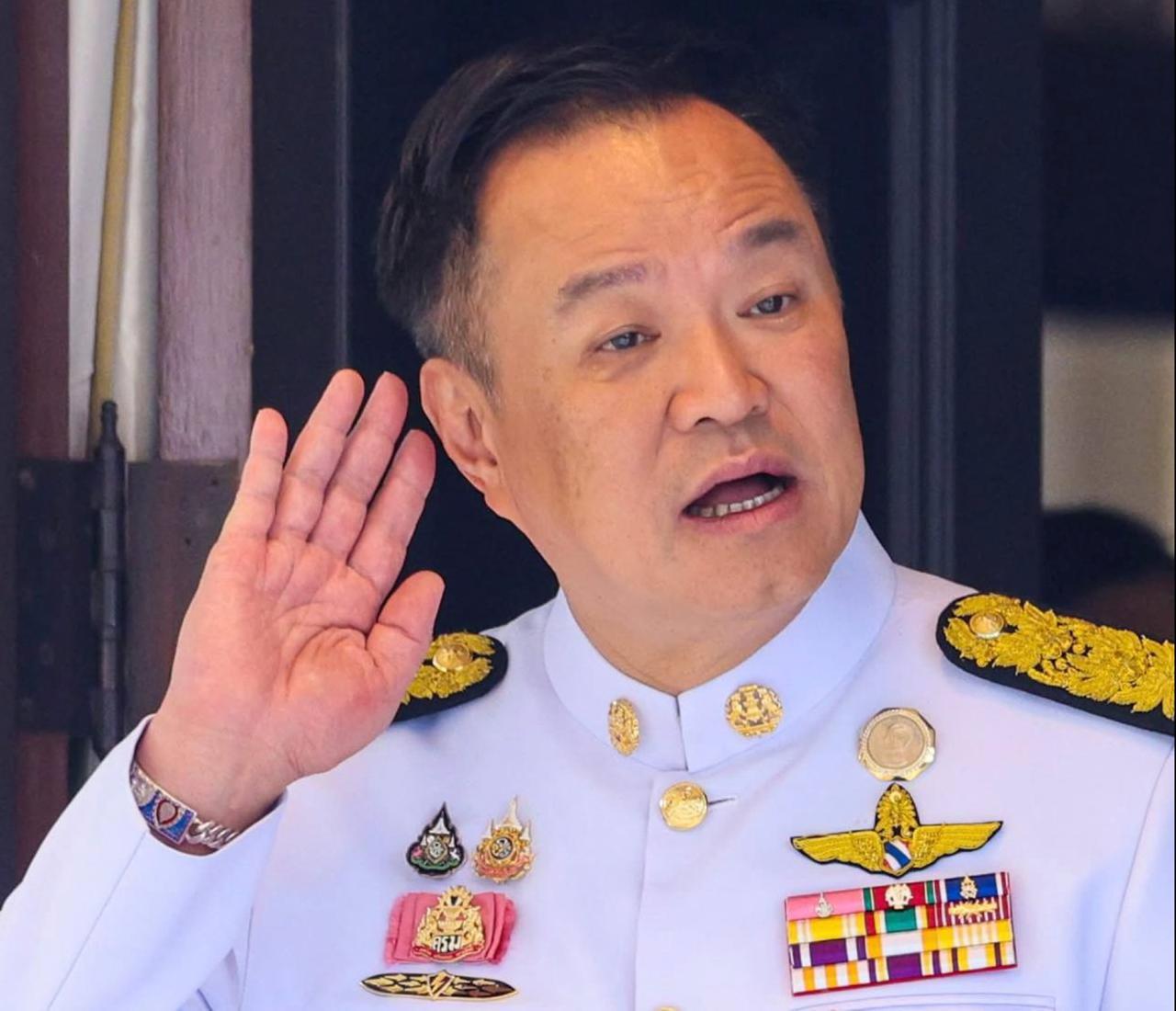 Anutin Says US Trade Framework Is Vital to Protect Exports and Jobs
BANGKOK, November 24, 2026 — Thailand’s government has defended its proposed trade framework with the United States, arguing that securing favourable tariff treatment is essential to protecting 2.37 trillion baht in annual exports and approximately 1.25 million jobs.
Prime Minister Anutin Charnvirakul signed a joint statement with US President Donald Trump on November 17 in Manila, but the proposed Agreement on Reciprocal Trade (ART) has yet to be finalised or signed. It must still undergo legal review, Cabinet consideration, public consultation and parliamentary scrutiny.
The framework has drawn criticism from former prime minister and Democrat Party leader Abhisit Vejjajiva and the opposition People’s Party, who have demanded greater transparency over Thailand’s proposed concessions, particularly those involving agricultural imports and tariff reductions.
Speaking during his weekly broadcast on November 21, Anutin said Thailand needed commercially acceptable arrangements with Washington while maintaining protections for farmers, businesses and domestic industries.
The government argues that securing competitive tariff treatment is crucial for Thai exporters. Thailand’s exports to the US totalled 2.37 trillion baht in 2025, while agricultural exports alone exceeded 170 billion baht annually.
Commerce Minister and Deputy Prime Minister Suphajee Suthumpun said Thailand’s trade surplus with the US exceeded US$70 billion and could rise above US$80 billion. She noted that Thailand’s ranking among countries with the largest US trade surpluses had risen from 11th at the beginning of 2025 to seventh by year-end, potentially reaching fifth based on trade figures from the first half of 2026.
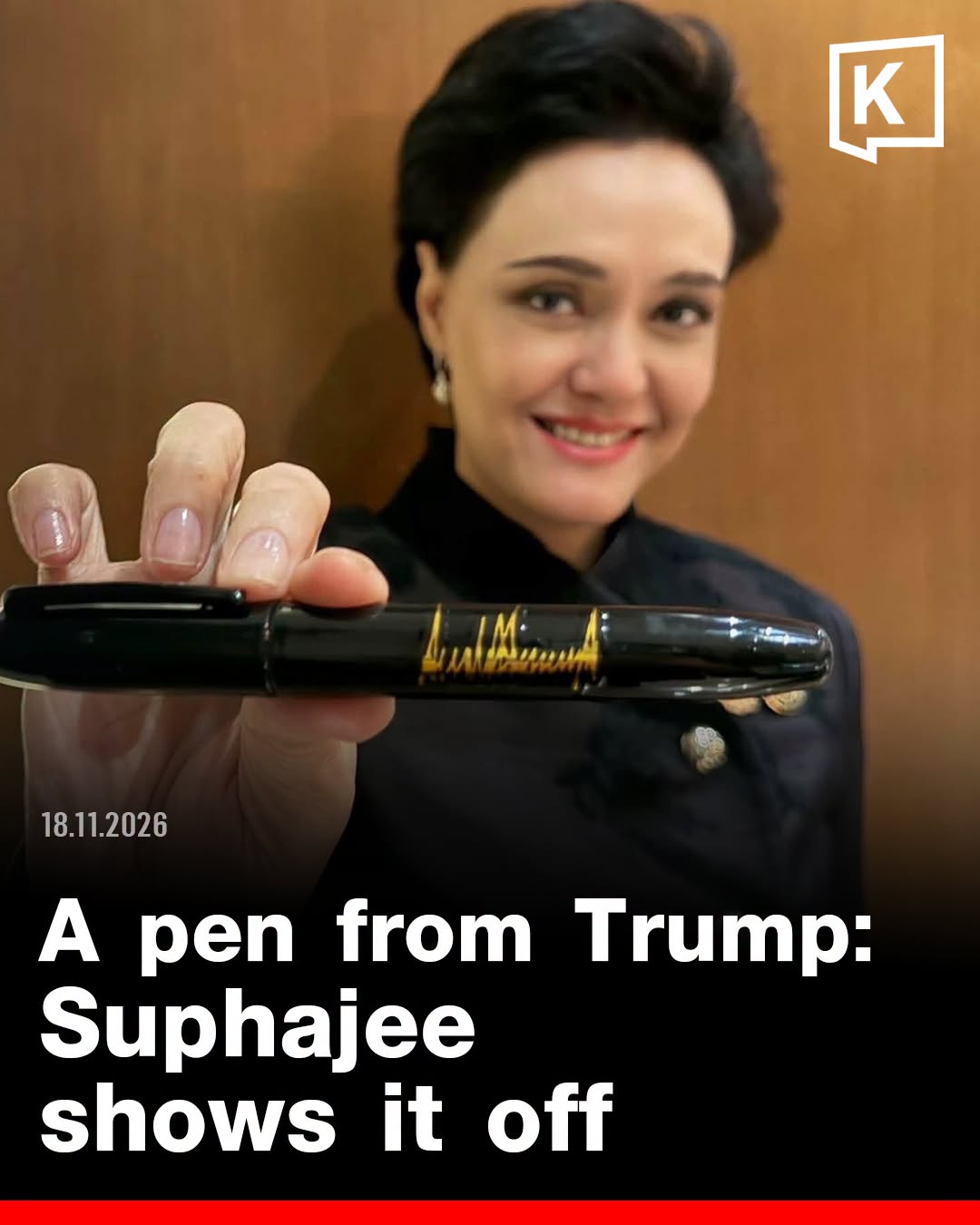
One of Thailand’s main objectives is to reduce a separate US tariff linked to forced-labour concerns from 12.5% to 10%, bringing it in line with Malaysia and Cambodia. Suphajee warned that the 2.5-percentage-point difference could put Thai businesses at a competitive disadvantage against regional manufacturing rivals.
However, concerns remain over potential agricultural concessions. Abhisit has questioned reports of proposed US agricultural imports worth US$2.6 billion annually, or approximately 78 billion baht. Products under discussion include pork, poultry, maize and soybeans, which could increase competition for Thai farmers.
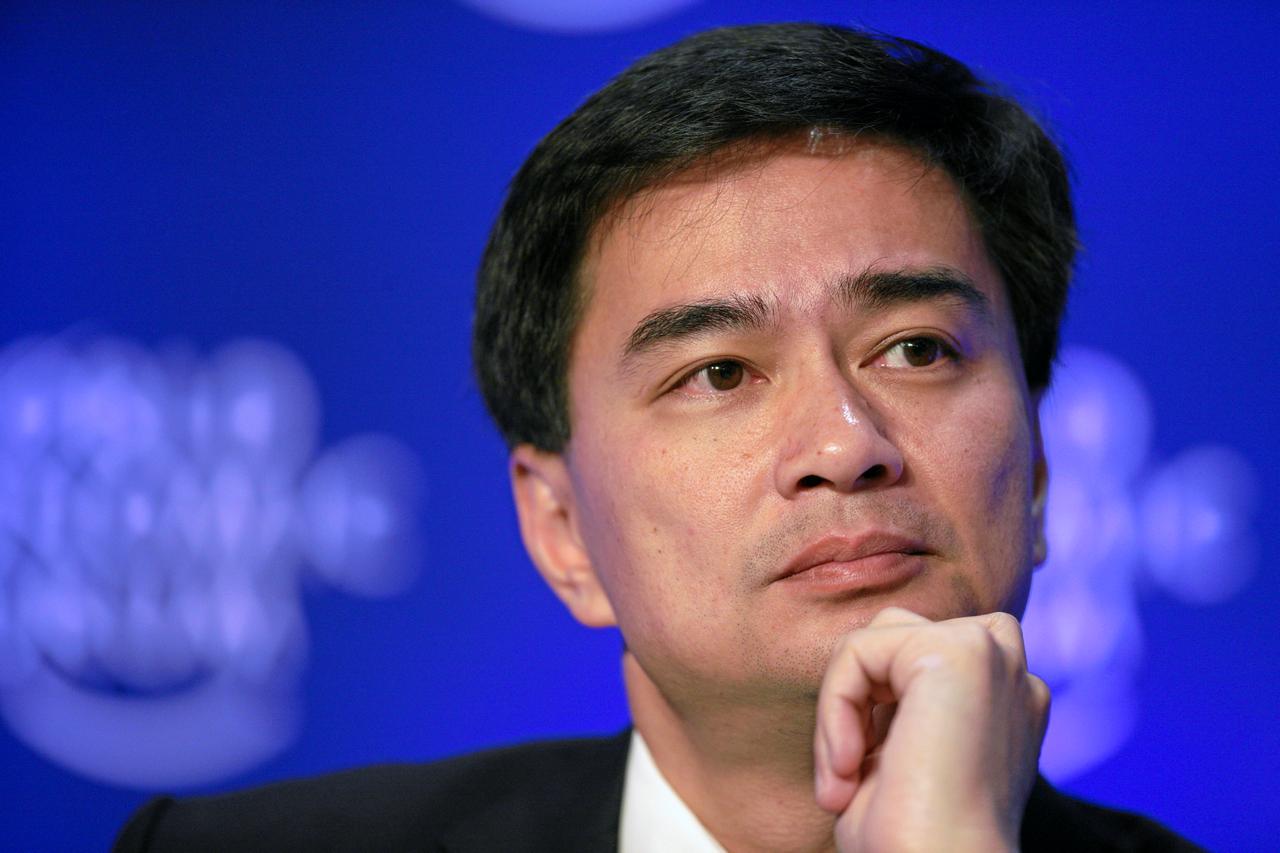
The opposition has also raised questions about possible commitments involving pharmaceuticals, medical equipment, product standards, digital services and taxation of international digital businesses. Abhisit questioned whether a proposed trade adjustment fund capped at 5 billion baht would be sufficient to support affected industries and farmers.
Government representatives have rejected claims that Thailand has committed to compulsory purchases of US agricultural products. Deputy government spokesperson Lalida Pertwivatana said the figures cited by Trump had been discussed previously and did not constitute new government purchasing obligations.
Suphajee also described the US$2.6 billion figure as representing potential commercial opportunities, including energy supplies and aircraft, rather than taxpayer-funded commitments. She said private importers would remain free to select suppliers based on price, quality and contractual conditions.
Addressing food safety concerns, Suphajee stressed that Thailand would not allow imports of US meat containing growth-promoting substances prohibited under Thai regulations. She specifically cited ractopamine in pork, saying existing food safety laws and import controls would remain in force.
She added that more than 50 government agencies and private-sector organisations were examining the proposed agreement. Sensitive products could still be subject to quotas, conditions and domestic regulations, despite Washington’s statement that Thailand would open approximately 99% of its market to US goods.
People’s Party deputy leader and MP Sirikanya Tansakul has called for the government to disclose the proposed commitments before seeking domestic approval, pointing to differences between US announcements and Thai explanations.
Under Section 178 of Thailand’s Constitution, certain international agreements with significant economic consequences require parliamentary approval. The final provisions on agricultural safeguards, import volumes, quotas and compensation have yet to be made public, leaving the proposed trade agreement subject to further scrutiny.