
Factory Closures Jump 58% in Thailand, Industry Sounds Alarm
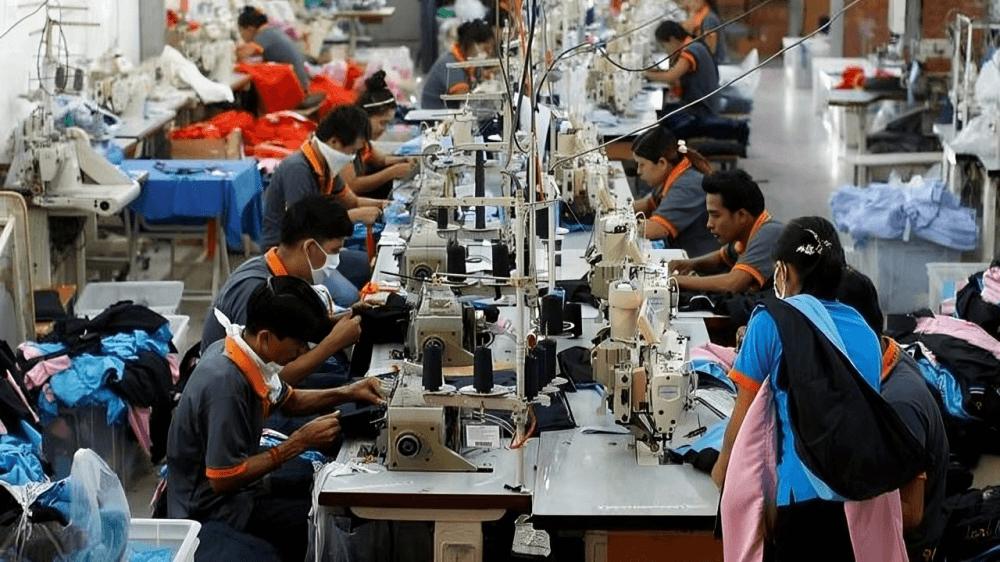 Factory Closures Jump 58% in Thailand, Industry Sounds Alarm
BANGKOK, April 15, 2026 — Factory closures in Thailand have surged by more than 50% in early 2026, raising concerns among industry leaders that the economy could face stagflation as costs rise and demand weakens.
The Federation of Thai Industries (FTI) said 141 factories shut down in the first two months of the year, up 58% from a year earlier, while new factory openings fell sharply.
FTI chairman Kriengkrai Thiennukul warned that the sector is under mounting pressure from rising energy costs, supply chain disruptions and weakening domestic and external demand.
Industrial capacity utilisation dropped to just over 58% in February, below the typical 60% threshold, reflecting slowing production activity.
The industry is also grappling with higher input costs, with prices for key materials such as plastics, chemicals and aluminium rising by 10–30%, while diesel prices have surged to more than 48 baht per litre.
Geopolitical tensions in the Middle East have compounded the pressure, disrupting global energy markets and raising freight costs. Concerns remain over potential disruptions to shipping routes, including the Strait of Hormuz, a key artery for global trade.
Kriengkrai said prolonged instability could push oil prices above $100 per barrel, further increasing production costs and inflationary pressures.
At the same time, uncertainties over potential trade measures from the United States and domestic political factors have weighed on investor confidence.
Industry officials warned that if current trends persist, product prices could rise by up to 10% in the coming months, heightening inflation risks while economic growth slows — a combination that could push Thailand towards stagflation.
Authorities are expected to monitor the situation closely as businesses face increasing pressure across multiple fronts.