Cambodia Reaffirms at the United Nations: Territorial Integrity Cannot Be Compromised by Political Pressure
 Cambodia Reaffirms at the United Nations: Territorial Integrity Cannot Be Compromised by Political Pressure
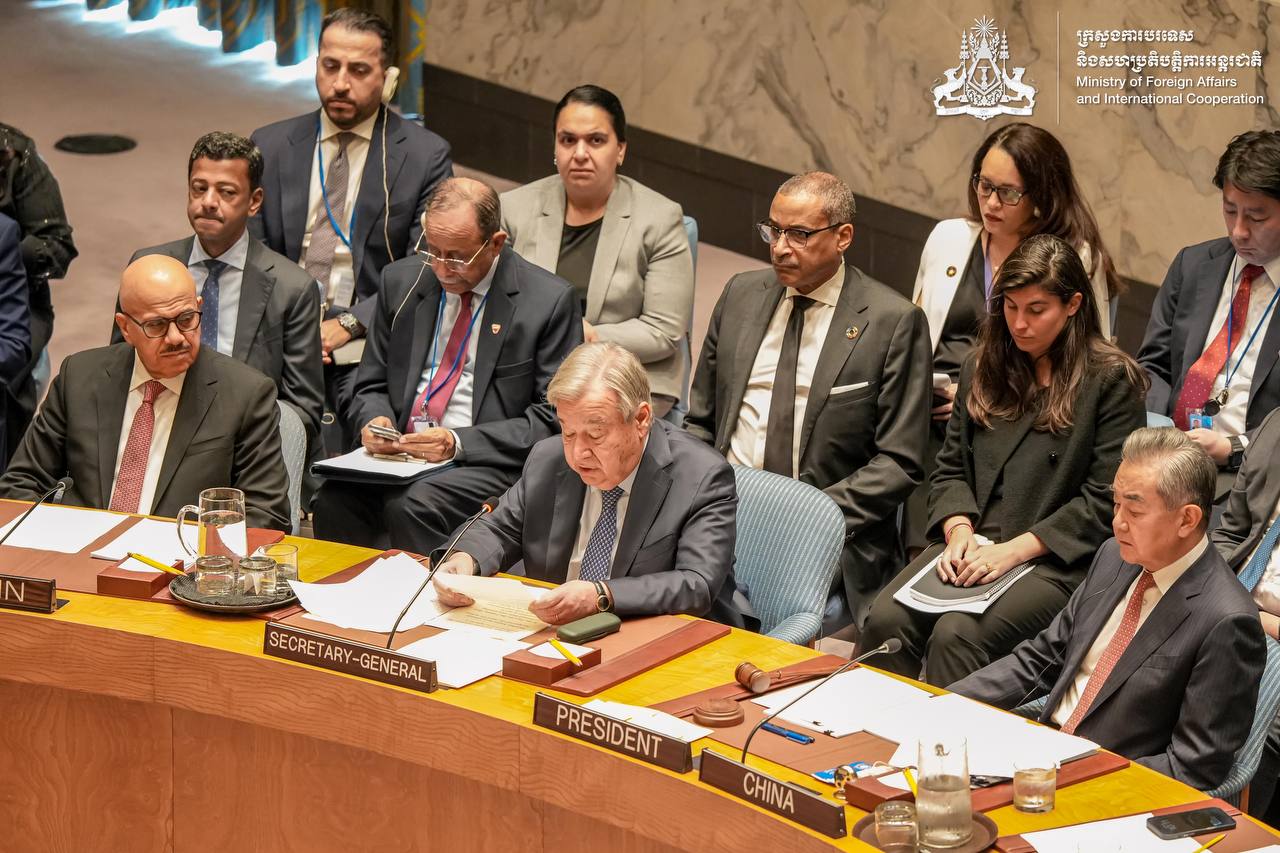
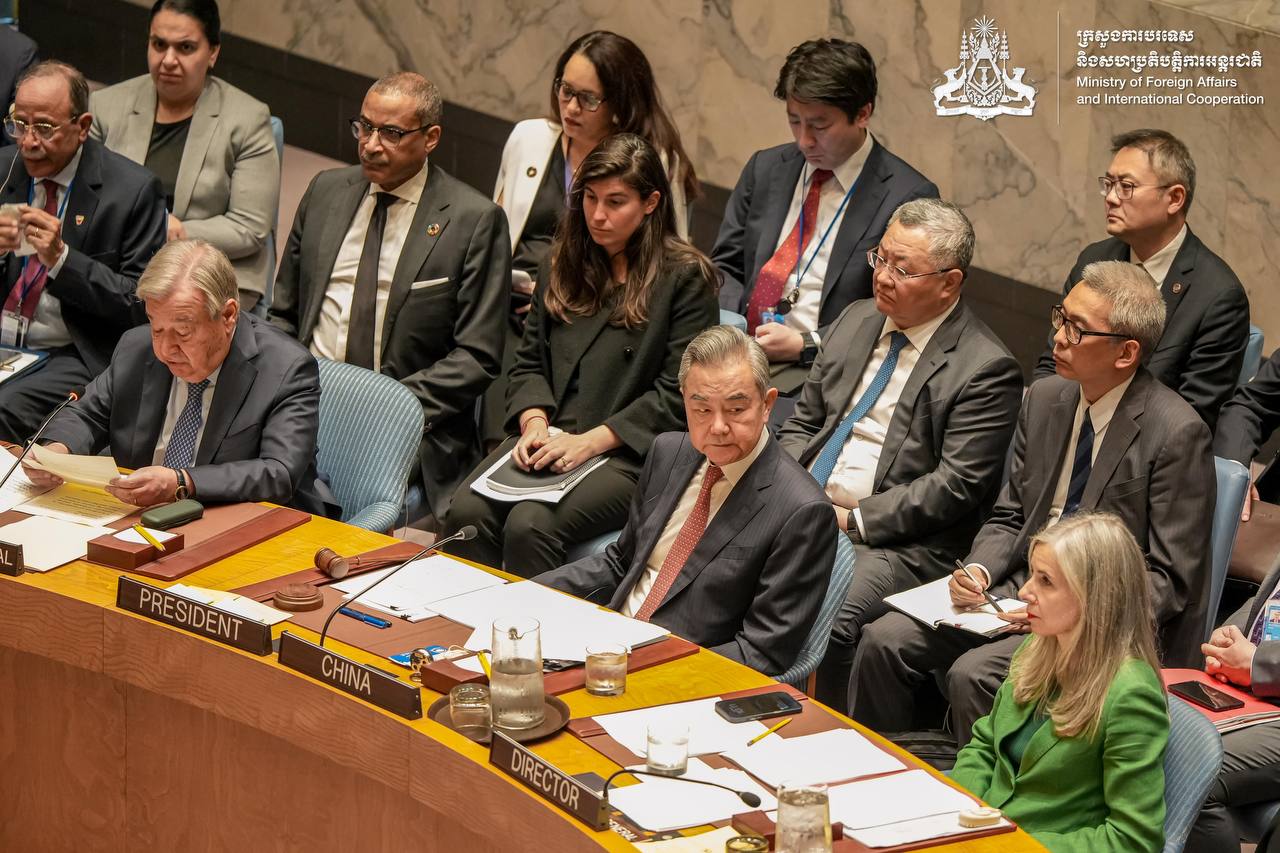
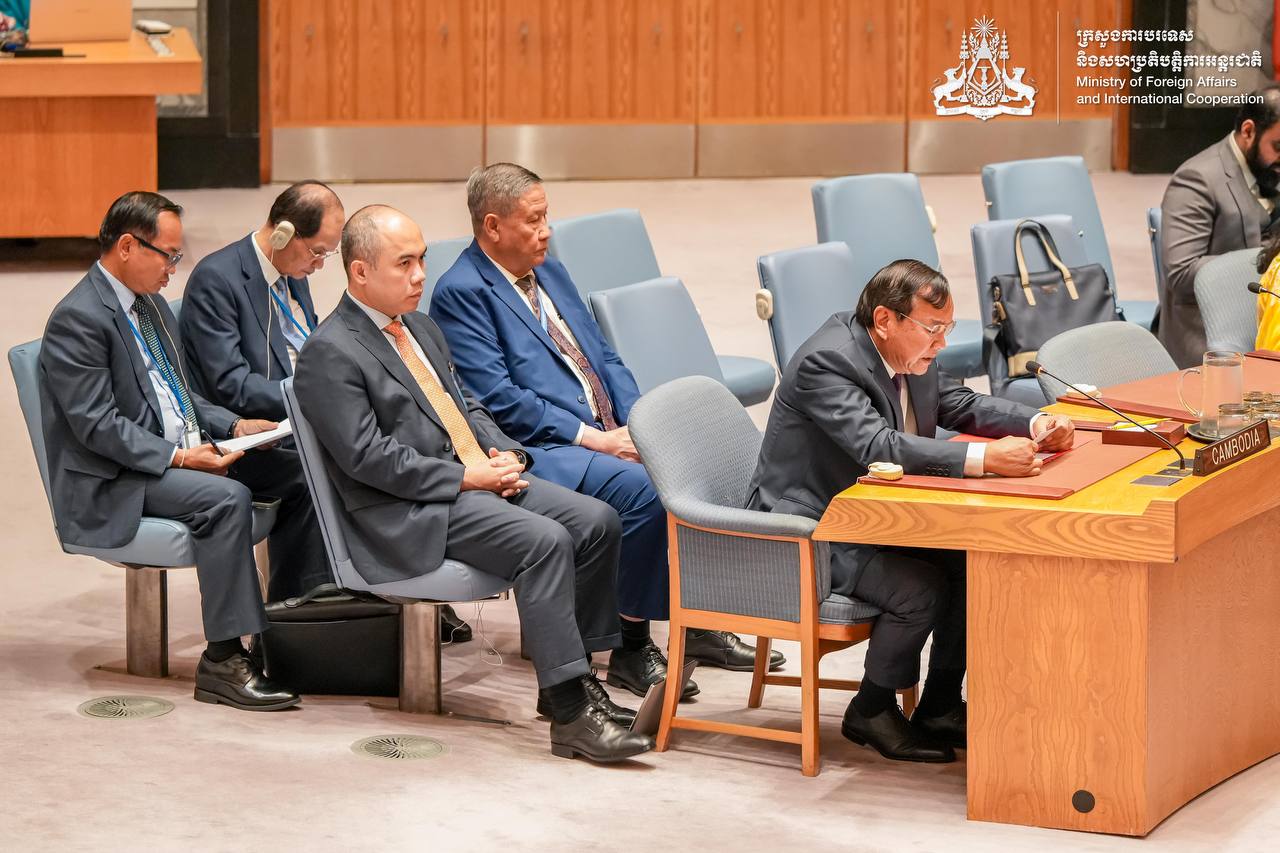
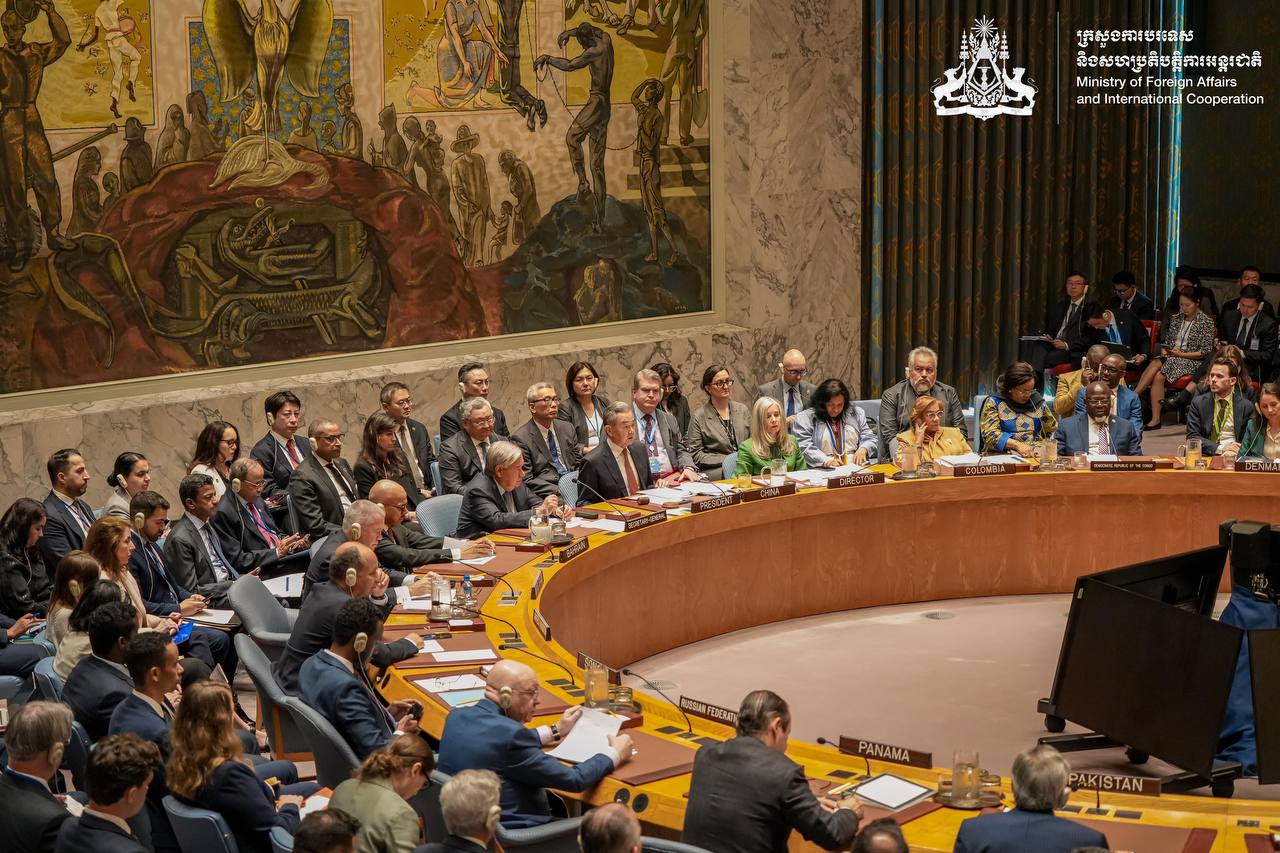
According to remarks delivered by Cambodian Foreign Minister Prak Sokhonn in New York on May 26, 2026, during a high-level meeting of the United Nations Security Council chaired by Wang Yi in his capacity as rotating president of the Council, and attended by António Guterres, Cambodia’s statement was not merely a general declaration about peace. Rather, it was a clear political and international legal message directed at Thailand and the international community: respect for territorial integrity, sovereignty, and the peaceful settlement of disputes are fundamental principles that cannot be violated or interpreted according to the political power of any state.
At a time when the world is increasingly falling into intense geopolitical competition, global order is becoming more uncertain, and armed conflicts continue to erupt in various regions, Cambodia has clearly chosen one path: “international law” rather than “politics through force.” This demonstrates that Cambodia does not accept intimidation, coercion, or the creation of tensions as means of resolving disputes, especially regarding issues related to Cambodia’s borders and national sovereignty. Cambodia’s position is consistent with Article 2 of the United Nations Charter, which requires all states to respect sovereignty, equality among states, and prohibits threats or the use of force against the territorial integrity of other states.
In this context, Cambodia is relying on the core principles of international law — including the principles of non-use of force, peaceful settlement of disputes, and sovereign equality among all states — to affirm that interstate disputes cannot be resolved through military power or political pressure.
The emphasis that “conflicts must be resolved exclusively through dialogue, diplomacy, and respect for international law” carries a deeper meaning than an ordinary diplomatic statement. It constitutes an indirect but firm rejection of any actions attempting to use force or political pressure to claim advantages in interstate disputes. In this sense, Cambodia is affirming that international law and the United Nations Charter must stand above political power and coercive pressure from any party.
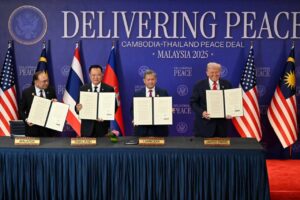
This position is also clearly connected to the Cambodia–Thailand border situation. The expression of gratitude toward the international community for supporting ceasefire efforts and peaceful resolution demonstrates that Cambodia is internationalizing the principle of peace and reinforcing the legitimacy of its position on the global stage. This signals that Cambodia wants disputes to be resolved within the framework of law and multilateral mechanisms, rather than through nationalist sentiment or military pressure.
Indeed, Cambodia’s historical experience serves as living evidence that war and the use of force have never produced lasting solutions. On the contrary, respect for international law and the use of diplomatic mechanisms are the paths that can guarantee peace, stability, and coexistence based on mutual respect. Therefore, Cambodia’s remarks at the United Nations are not only about defending national interests, but also about defending universal principles that all states — large and small alike — must equally respect.
At a time when the international order is becoming increasingly uncertain, Cambodia is sending a firm message that peace cannot emerge from threats, and that Cambodia’s sovereignty and territorial integrity cannot become subjects of coercive negotiations or the use of force. Upholding the United Nations Charter and international law is Cambodia’s strategic choice and a position that reflects diplomatic maturity and responsibility as a member of the international community.
In conclusion, the remarks made by Cambodia’s top diplomat at the United Nations forum constitute a strong reaffirmation that Cambodia is not only defending its sovereignty and territorial integrity, but is also defending the universal principles underpinning the international order. In a world where political power and geopolitical competition increasingly attempt to force “law” to submit to “power,” Cambodia has clearly chosen to stand on the side of justice, peace, and international law.
Cambodia is sending a message to the world that small states are not without rights, and that the sovereignty of any country cannot become an object of threats or coercive methods aimed at fulfilling the political ambitions of any party. Border disputes or any interstate conflicts must remain within the framework of dialogue, diplomacy, and international law — not under coercion or military power. This is a position that reflects diplomatic maturity, international legal legitimacy, and Cambodia’s firm determination to preserve peace without compromising national sovereignty.
By: Pin Vichey – Political Science Scholar