Op-Ed: Thailand’s Leadership Is Trapped by Its Own Contradictions
 Op-Ed: Thailand’s Leadership Is Trapped by Its Own Contradictions
Thailand’s political leadership appears increasingly cornered by the consequences of its own rhetoric and policy contradictions over the ongoing tensions with Cambodia. What began as nationalist messaging aimed at reassuring domestic audiences has now evolved into a dangerous political trap — one that risks damaging Thailand’s credibility, economy, diplomacy, and internal stability all at once.
For months, Thai political figures have attempted to convince the public that no territorial concessions would ever be made to Cambodia. Yet at the same time, Bangkok seeks to preserve its international image as a country that respects peace, diplomacy, and international law. The problem is simple: if Thailand genuinely follows legal and diplomatic mechanisms recognized by the international community, the outcome may not align with the nationalist promises made to its own people. That contradiction now threatens public trust in the government itself.
If Thai leaders choose to respect international legal principles, nationalist groups at home may accuse them of weakness or betrayal. But if they refuse to follow international norms merely to protect political narratives, Thailand risks far more serious consequences internationally. Foreign governments and investors closely observe how states behave during disputes. A country perceived as disregarding international law risks diplomatic isolation, declining investor confidence, and long-term economic damage.
The current border tensions have also created a lose-lose situation for the Thai government. Reopening border checkpoints could trigger anger among hardline nationalist groups and sections of the military who demand a tougher stance against Cambodia. Yet keeping borders closed continues to hurt trade, tourism, and local economies already struggling under economic pressure. Either decision risks sparking protests and political backlash.
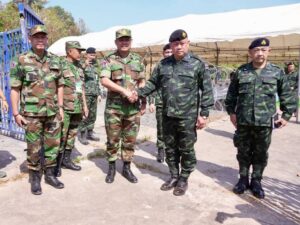
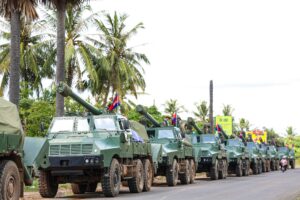
The military dimension is equally sensitive. If Thailand avoids confrontation, critics may portray the government as incapable of defending national interests. But any escalation into armed conflict would likely create consequences far beyond what political leaders can control. Military conflict would destabilize the region, frighten investors, damage trade routes, and worsen economic suffering for ordinary citizens on both sides of the border.
These tensions come at a time when Thailand already faces severe economic challenges. Debates over massive state borrowing programs have intensified political divisions inside parliament, with critics questioning how the government plans to revive growth while export channels remain uncertain. International investors are unlikely to commit significant capital without stability, clear economic direction, and confidence in governance. In this climate, prolonged confrontation with Cambodia only deepens uncertainty.
At the same time, internal political fractures continue to widen. Corruption allegations against powerful political figures, factional rivalries, and efforts to reshape coalition dynamics have fueled instability inside the Thai political system. The possibility of leadership reshuffles or broader political upheaval only increases public anxiety.
Thailand now faces a defining moment. Nationalist rhetoric may generate short-term political support, but governing a nation requires more than emotional slogans. It requires strategic thinking, legal consistency, economic realism, and diplomatic maturity. Without those qualities, the country risks entering a prolonged period of instability where political divisions deepen, economic recovery stalls, and public confidence in leadership continues to erode.
The greatest danger is not external pressure from Cambodia. It is the growing inability of Thailand’s own political leadership to escape the contradictions it created for itself.
By: Keo Chesda, Affiliate Researcher at the University of Cambodia