Cambodia Invokes NAM Principles in Border Dispute With Thailand
 Cambodia Invokes NAM Principles in Border Dispute With Thailand
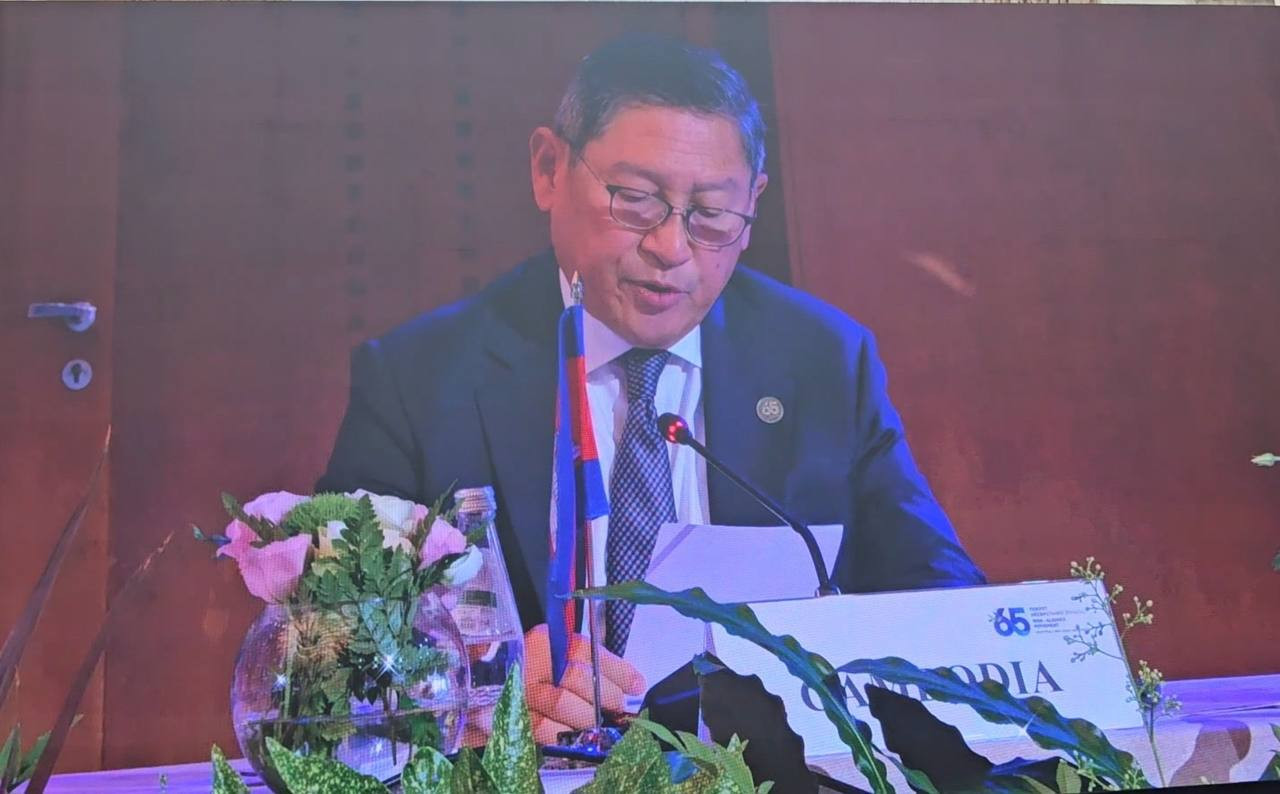
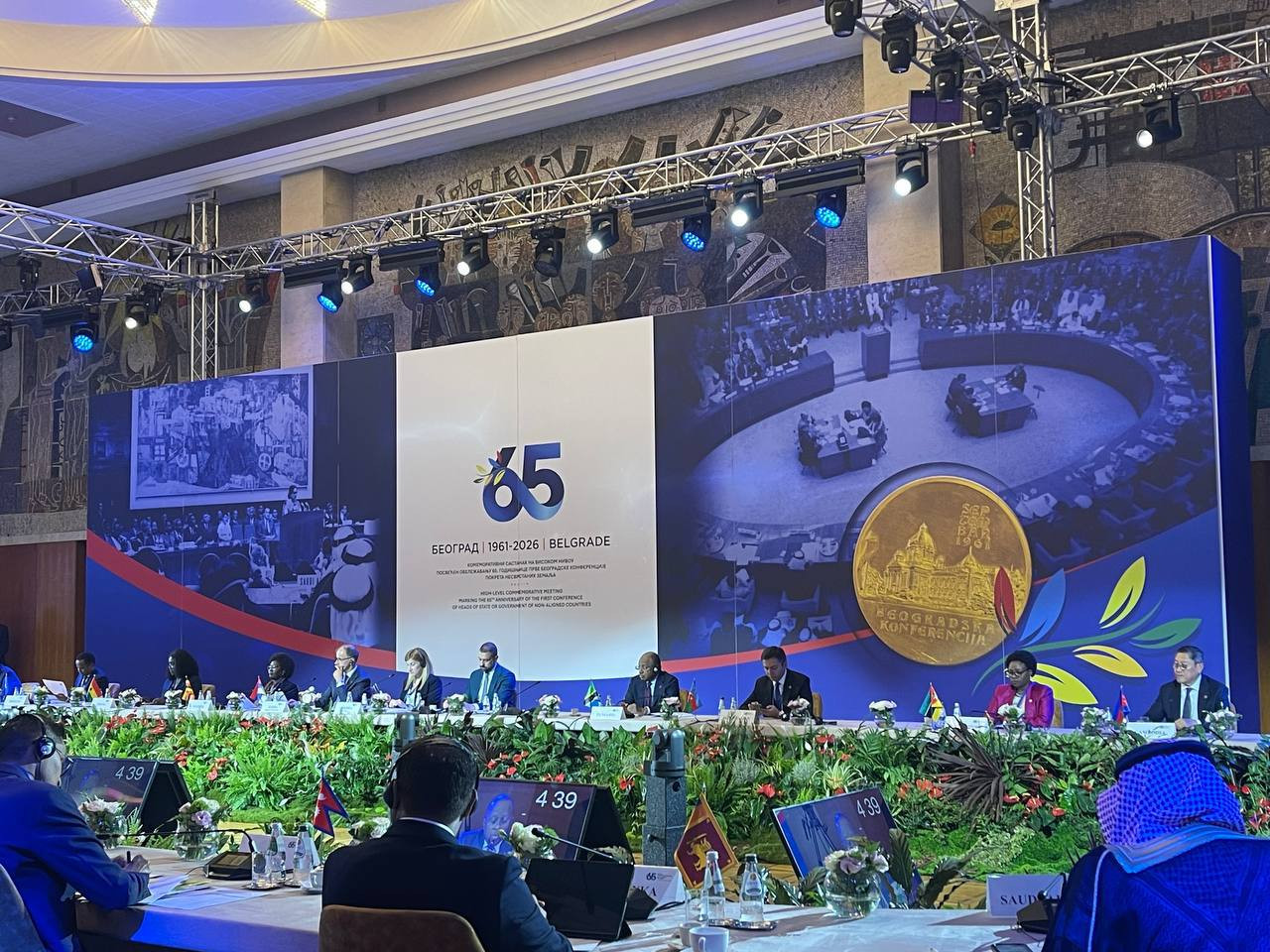
BELGRADE, Sept. 2, 2026 — Cambodia has used a high-level meeting marking the 65th anniversary of the first conference of the Non-Aligned Movement (NAM) in Belgrade to voice concerns over what it described as continued unilateral actions by Thailand affecting Cambodian sovereignty and territorial integrity.
Deputy Prime Minister Sok Chenda Sophea, representing the Royal Government of Cambodia, said the founding principles of NAM—including respect for national sovereignty, non-interference, peaceful coexistence and rejection of the use of force—remain highly relevant to the international order.
Speaking under the theme “The Legacy of Non-Alignment: Lessons for Today’s World,” Sok Chenda Sophea said Cambodia was facing a “grave challenge to its territorial integrity.” He accused Thailand of continuing unilateral activities, including installing barbed wire, constructing permanent infrastructure and displacing Cambodian civilians, despite existing agreements and binding judgments of the International Court of Justice.
Cambodia said such actions amounted to attempts to create “faits accomplis” aimed at altering borders by force and constituted violations of international law and NAM principles. The Cambodian government has repeatedly maintained that border disputes should be addressed through established bilateral mechanisms and international law.
The deputy prime minister said the ceasefire in place since December 2025 had halted armed clashes, but the situation remained fragile, particularly because Cambodian civilians from affected border areas had been displaced. He called on Thailand to halt activities in areas Cambodia considers its territory, fully implement existing agreements and resume bilateral mechanisms “in good faith.”
Sok Chenda Sophea also urged respect for international law, ICJ judgments and the rights of displaced civilians, including their right to return safely to their homes.
He stressed that Cambodia rejected unilateral measures that could undermine peace, destabilise communities or weaken trust between the two countries.
Maritime disputes also highlighted
Cambodia’s position, he said, extends beyond the land border to outstanding maritime differences with Thailand. He noted that Cambodia has accepted the compulsory conciliation process under the United Nations Convention on the Law of the Sea (UNCLOS), describing the rules-based mechanism as a peaceful avenue for resolving maritime boundary differences.
“Borders must never be altered by force or through faits accomplis,” Sok Chenda Sophea said, reiterating Cambodia’s position that disputes should be resolved through dialogue, negotiation and legal mechanisms.
The Belgrade meeting marks 65 years since the first NAM conference was held in the Serbian capital in 1961. The original conference brought together states seeking to uphold sovereignty and independence amid Cold War tensions; Cambodia’s then Head of State, Prince Norodom Sihanouk, participated in both the 1955 Bandung Conference and the inaugural NAM conference.