Anutin Faces Growing Pressure as Farm Crisis Worsens
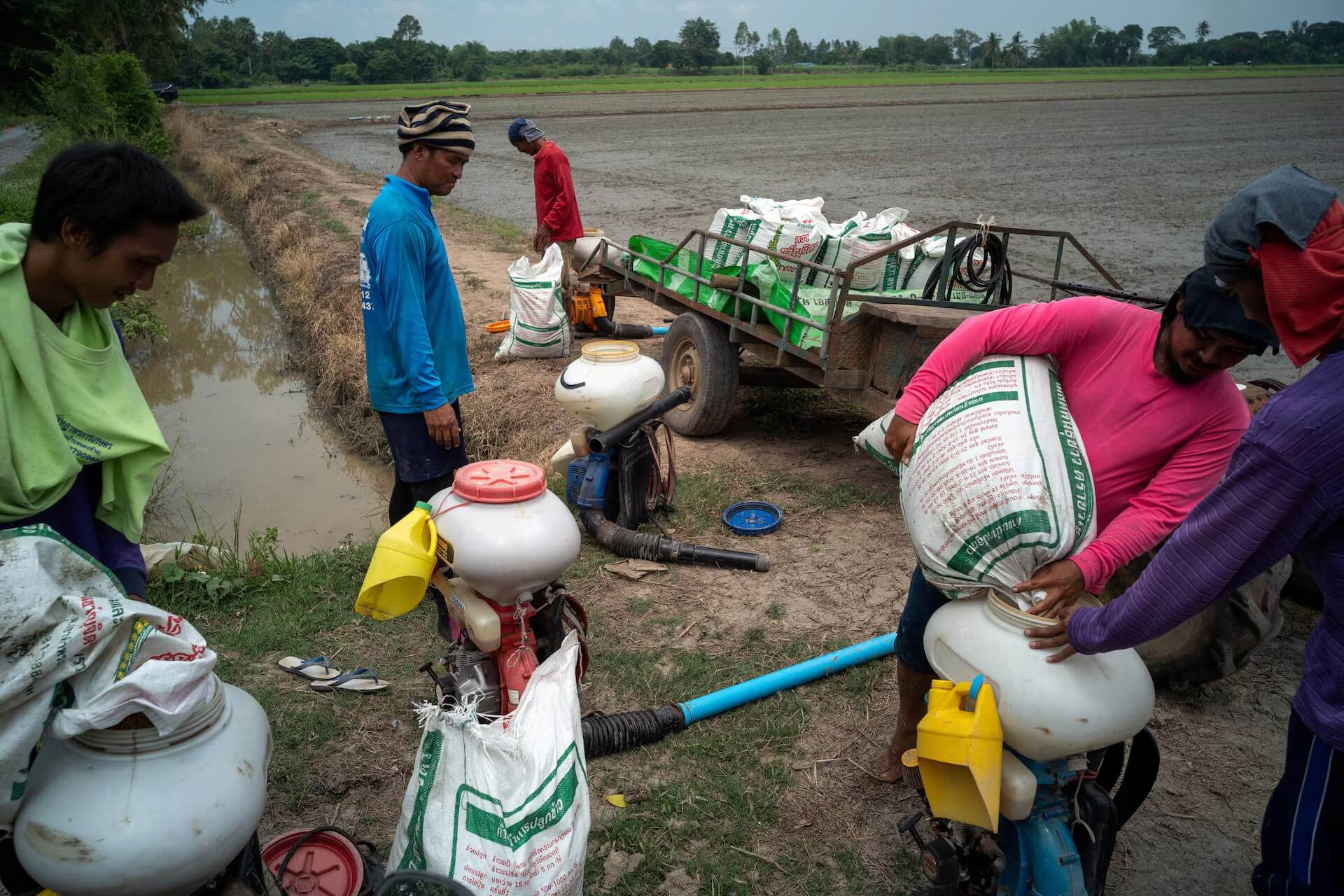 Farmers prepare for paddy seeding in a rice field in Chainat province, Thailand, August 31, 2023. REUTERS/Athit Perawongmetha/File Photo
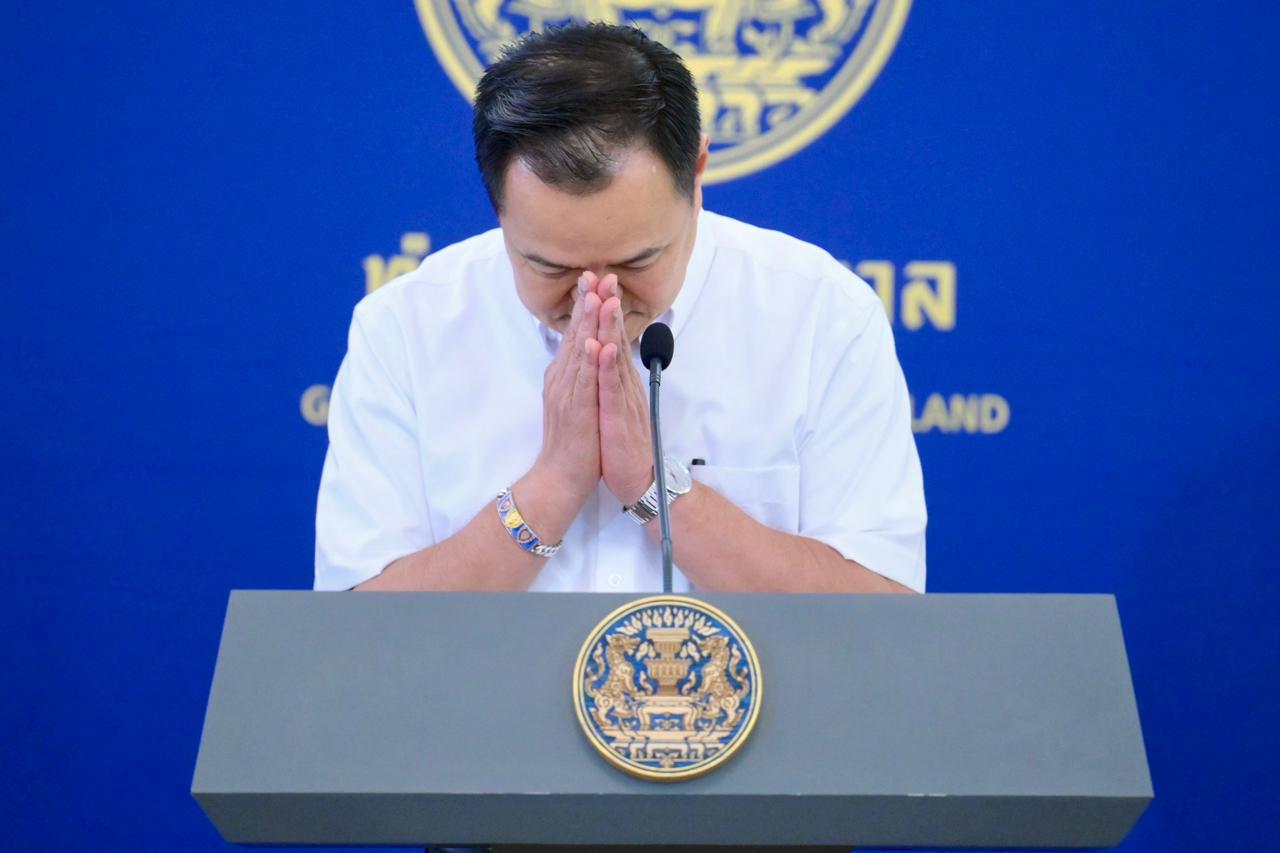
BANGKOK, June 11 2026 (Reuters) — Thailand’s worsening farm debt crisis is becoming an early political challenge for Prime Minister Anutin Charnvirakul, as rising production costs, falling rice prices and growing public dissatisfaction place increasing pressure on his administration.
Just months after securing a decisive election victory with strong backing from rural voters, Anutin is facing declining public confidence. A May survey by Suan Dusit University found that 57 percent of respondents had little or no expectation of the government’s performance, a sharp reversal from March when 68 percent expressed optimism about the new administration.
The shift in public sentiment comes as farmers across Thailand struggle with soaring expenses linked to the ongoing conflict involving Iran, which has driven up global energy and fertilizer prices. Retail diesel prices in Thailand surged by more than 60 percent at their peak, while fertilizer costs have increased by over 30 percent.
For many farmers, government assistance has failed to keep pace with the rising cost of production.
“Once they won and formed the government, they disappeared,” said Chaon Taiupok, a 69-year-old rice farmer in Ayutthaya province, who says he is struggling to maintain his livelihood amid rising expenses and declining crop prices.
The difficulties facing Thailand’s agricultural sector reflect broader challenges confronting Southeast Asia’s second-largest economy. Weak domestic demand, sluggish economic growth and high household debt continue to weigh on the country’s recovery, while nearly 78 percent of respondents in the May poll called for urgent action to address rising living costs.
Finance Minister Ekniti Nitithanprapas has already described the situation as a “cost-of-living crisis,” acknowledging the growing strain on households nationwide.
Although the government has introduced a 176-billion-baht consumer subsidy program and targeted support for farmers, agricultural groups argue the measures remain insufficient. Rice farmers currently receive subsidies of about 1,000 baht per rai, but industry representatives say the assistance does not adequately offset higher fuel and fertilizer expenses.
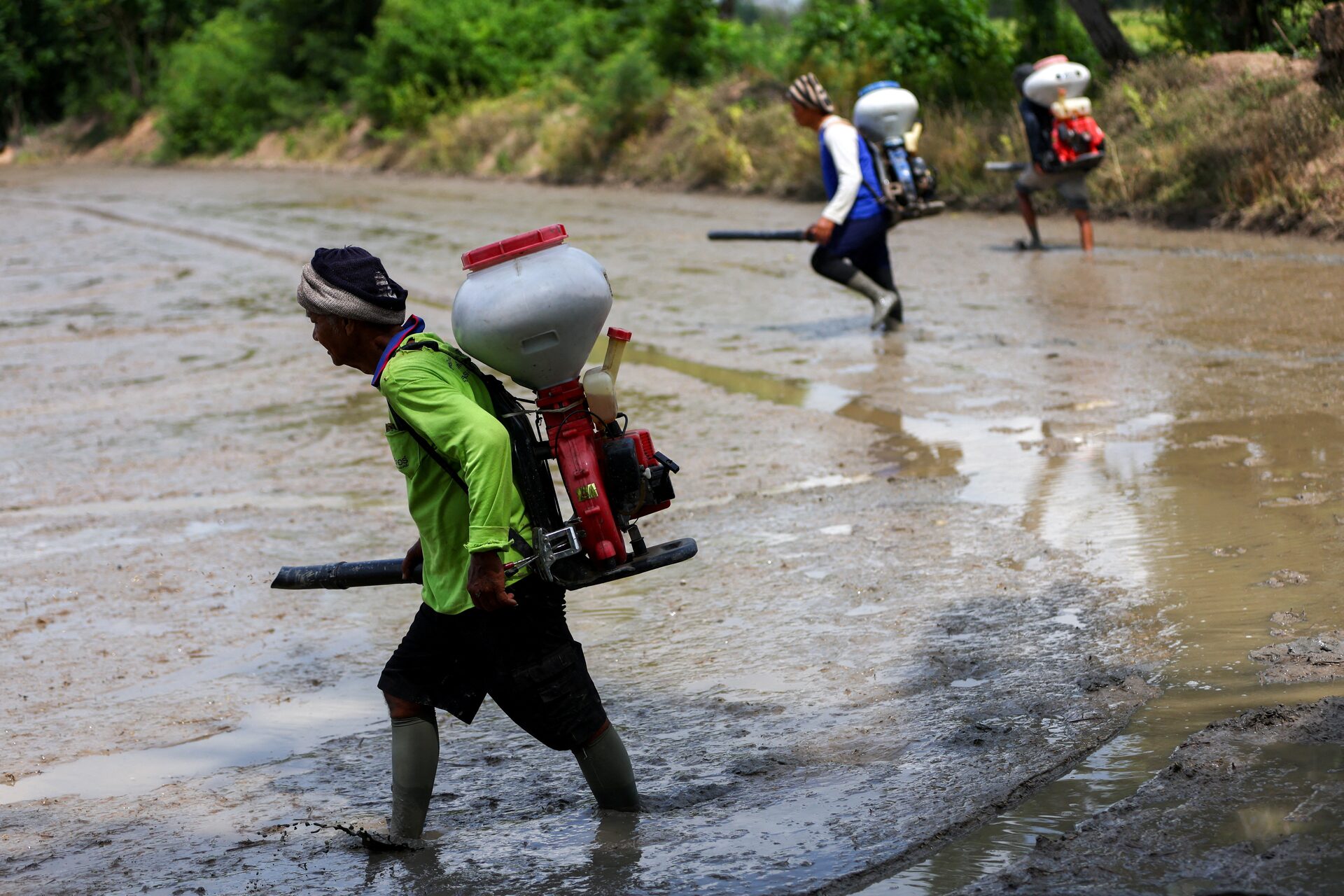
According to Thailand’s central bank research institute, more than half of the 3.73 million borrowers at the state-owned Bank for Agriculture and Agricultural Cooperatives are trapped in long-term debt and are unlikely to escape their financial burdens before retirement.
Among them is Ayutthaya farmer Phayong Saengthong, who owes more than one million baht and suffered additional losses of around 200,000 baht from his most recent harvest due to high production costs and weak rice prices.
“The debt is overwhelming,” he said.
Rice prices have remained under pressure following an oversupplied global market and stronger competition from major exporters such as India. Current paddy prices hover around 7,800 baht per tonne, well below the level many farmers say is needed to cover costs and generate sustainable income.
Analysts warn that the challenge facing Anutin’s administration extends beyond economics.
“The pressure on the government is not just economic,” said Ngamprawan Ehsomnuk, dean of Suan Dusit University’s School of Law and Politics. “It is a crisis of confidence in whether the government can govern effectively.”
With inflation expected to exceed the Bank of Thailand’s target range and government borrowing plans facing legal challenges from opposition parties, policymakers have limited room to maneuver. As the debt burden continues to grow across rural Thailand, the government may face increasing pressure to deliver stronger support measures to one of its most important electoral constituencies.
For many farmers, however, the reality remains stark.
“With costs so high and rice prices so low, there’s nothing left but debt,” said Chaon.