Anutin Says Japan Still Sees Thailand as Investment Partner Amid Auto Industry Shift
 Anutin Says Japan Still Sees Thailand as Investment Partner Amid Auto Industry Shift
Bangkok, 22 September 2026 — Thailand is seeking to reassure investors that Japanese companies remain committed to the country, even as the future of Japanese manufacturing in Thailand becomes less certain amid the automotive industry’s shift toward electric vehicles and intensifying competition from Chinese manufacturers.
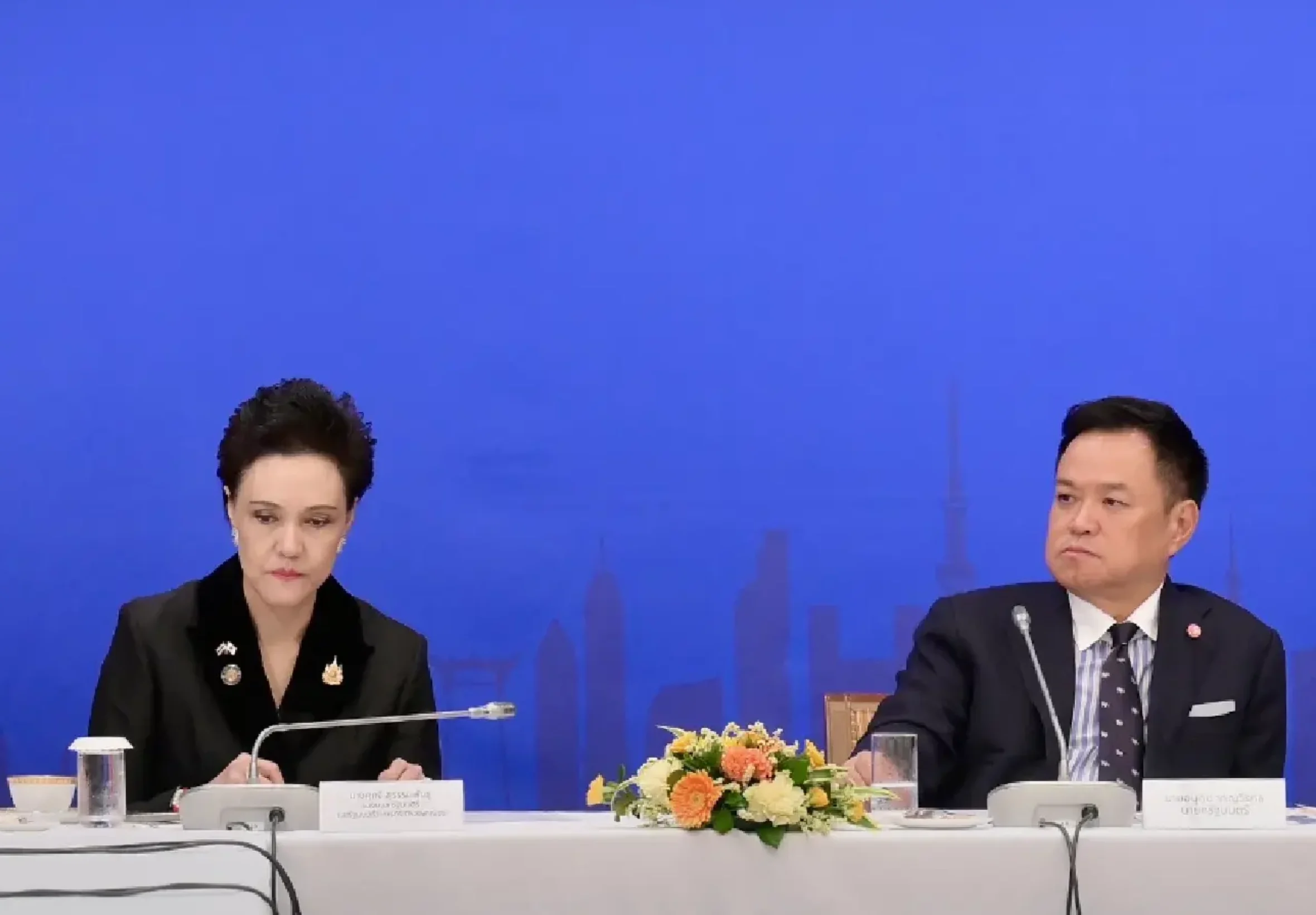
Prime Minister and Interior Minister Anutin Charnvirakul said on September 21 that Japanese companies would continue investing in Thailand, rejecting reports that Japanese manufacturers were preparing to move their production operations out of the country.
Speaking to “Team Thailand” at the Imperial Hotel in Tokyo, Anutin said Japan’s ambassador to Thailand had previously rejected claims of a wholesale Japanese manufacturing withdrawal.
But the prime minister acknowledged that Japanese investment has changed in scale and structure, reflecting Thailand’s changing economy and the transformation of global industries.
The issue is particularly significant for Thailand’s automotive sector, where Japanese manufacturers have historically built extensive production facilities and supplier networks.
Thailand’s government itself has acknowledged that the country’s automotive landscape is changing rapidly. The transition from internal-combustion engines to EVs has altered the competitive structure, while Chinese companies have expanded their presence in electric vehicles, batteries, electronics and related industries.
Anutin said Thailand should not interpret changes in Japanese investment as an abandonment of the country. Instead, he argued that Thailand has developed stronger domestic capabilities and is becoming less dependent on Japan for some materials and industrial inputs.
Still, the precise direction of Japanese investment remains an important question.
Japan remains a major investor in Thailand, but recent data point toward a shift in the type of investment rather than simply a continuation of the traditional Japanese manufacturing model. Thailand’s Board of Investment said Japanese investment applications exceeded 113.7 billion baht across 302 projects in 2025, with companies increasingly moving toward automation, clean energy, digital technology and higher-value production.
Japanese automakers are also confronting Thailand’s new EV environment. The government has been reviewing vehicle taxes and investment rules as it attempts to balance the interests of established Japanese manufacturers with the rapid expansion of Chinese EV producers.
That policy shift has already prompted questions over whether Thailand can preserve its longstanding Japanese automotive base while attracting new investment in EVs and advanced industries.
Anutin said Japan’s strengths in clean energy and advanced industries could complement Thailand’s own development plans. Thailand is seeking to attract Japanese investment into areas including digital technology, electronics, advanced technology, clean energy and higher-value industries, while maintaining its existing automotive supply chain.
Thailand’s position is therefore increasingly focused on moving from a traditional manufacturing relationship to a more integrated partnership. Anutin described the desired transition as moving from “producing for” each other to “producing together” as part of interconnected supply chains.
The uncertainty surrounding Japan’s future role comes despite continued investment activity. Japan was the fifth-largest source of foreign direct investment applications in Thailand by value during the first half of 2026, accounting for 2.4% of the total, according to JETRO’s Thailand investment data.
For Thailand, the challenge is therefore not simply whether Japanese companies will leave, but what they will continue to produce, where they will invest and how deeply they will participate in the country’s transition to EVs, clean energy and advanced manufacturing.
Anutin’s Tokyo message sought to reassure Japanese businesses that Thailand remains open to long-term cooperation. But the evolving investment pattern suggests that the next phase of Thailand-Japan economic relations may look substantially different from the Japanese-led manufacturing model that helped build Thailand’s automotive industry over previous decades.
The Thai government has also pointed to improved investor confidence, noting that Fitch Ratings recently revised Thailand’s sovereign outlook from negative to stable while maintaining its BBB+ rating.
The question now is whether Japan’s future investment in Thailand will primarily reinforce its traditional automotive base or increasingly move toward EVs, electronics, clean energy and other higher-value industries.