Anutin’s UNCLOS U-Turn: Is Thailand Using Bilateral Talks as Leverage Against Cambodia?
 Anutin’s UNCLOS U-Turn: Is Thailand Using Bilateral Talks as Leverage Against Cambodia?
Thailand’s Prime Minister Anutin Charnvirakul has sent increasingly contradictory signals over Cambodia’s decision to pursue compulsory conciliation under the United Nations Convention on the Law of the Sea (UNCLOS). What began as an apparent acceptance of an international legal process has now become a threat to suspend wider bilateral cooperation, raising questions about Bangkok’s diplomatic intentions and the influence of domestic political pressures.
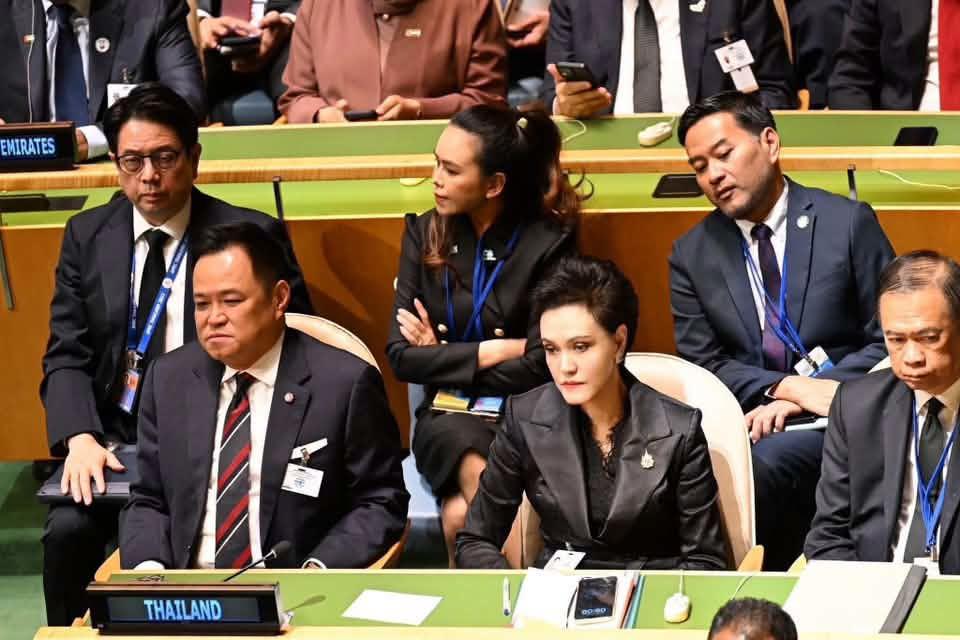
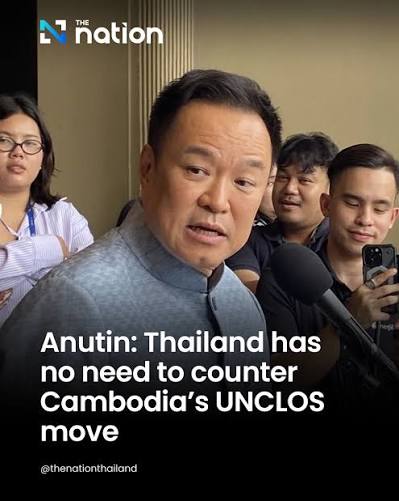
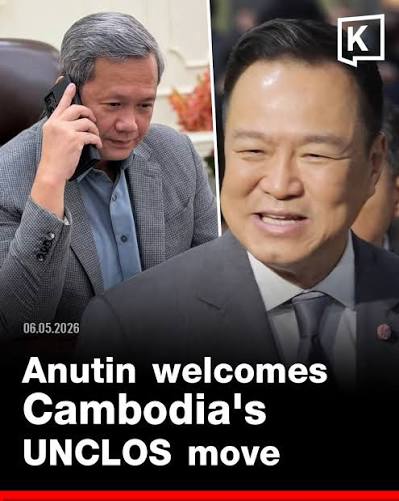
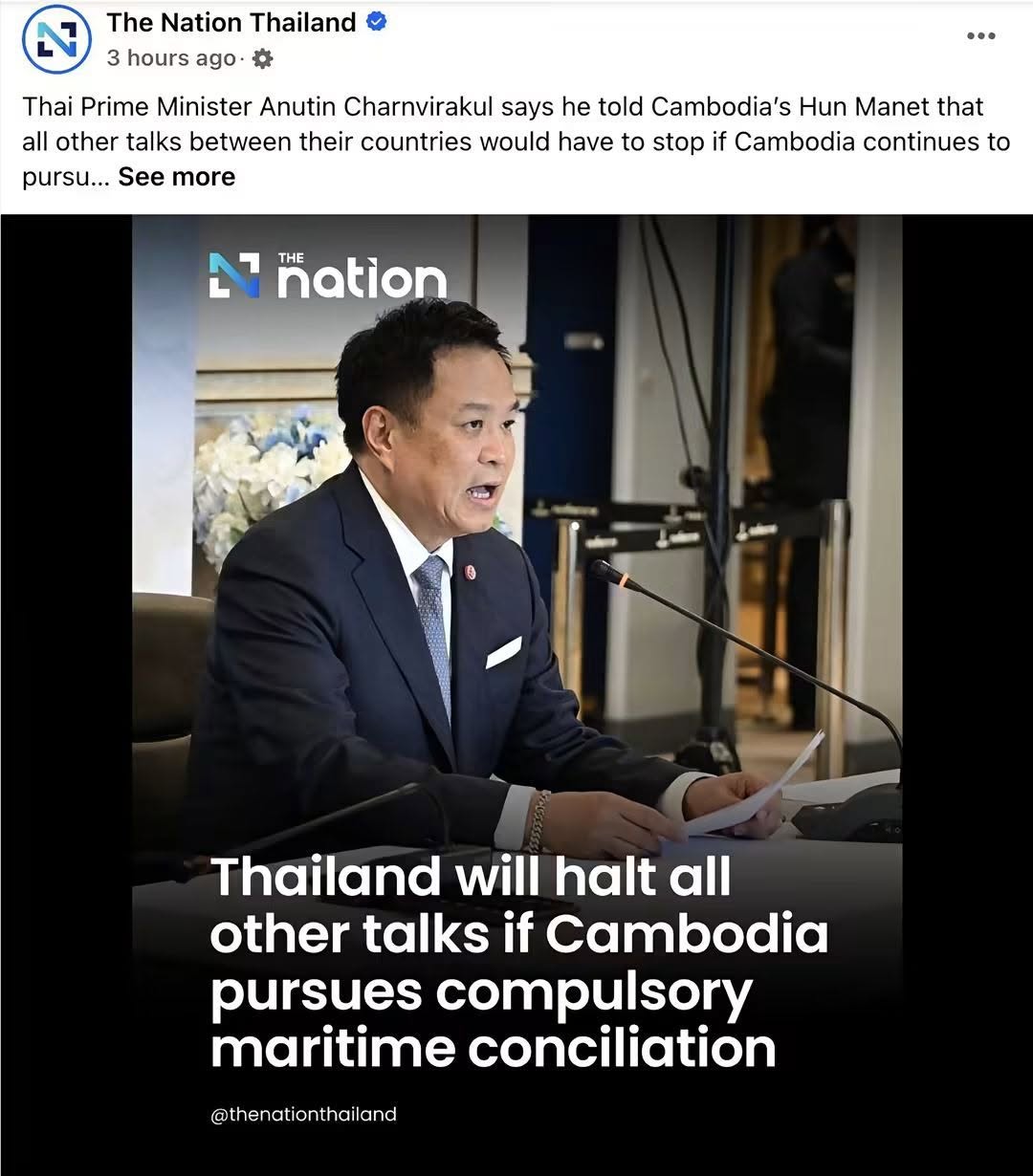
In May, Anutin welcomed Cambodia’s move, saying both countries would now operate under the same set of rules. In June, he again insisted that Thailand did not need to counter Cambodia’s decision. However, on November 21, his position took a markedly different turn. According to The Nation, Anutin warned that Thailand would halt all other bilateral negotiations if Cambodia continued pursuing compulsory conciliation over their maritime dispute.
“As long as you keep using the word ‘compulsory’, the other talks have to stop too,” he said.
This warning is significant because it links the maritime dispute to other areas of cooperation, including joint mine clearance and land-border demarcation. Cambodia’s recourse to UNCLOS followed Thailand’s unilateral termination of the 2001 memorandum of understanding, which had provided a framework for resolving overlapping maritime claims. The conciliation mechanism is non-binding: it facilitates negotiations and produces recommendations, rather than imposing a settlement on either country. Cambodia has said it seeks a maritime boundary agreement or an interim arrangement for jointly developing resources.
Why, then, is Bangkok threatening to suspend cooperation beyond the maritime issue?
Anutin’s government is operating amid considerable domestic pressure. On November 20, Thai students and young activists gathered in Bangkok to demand education reform, greater political freedoms and a stronger role for young people in policymaking. Meanwhile, opposition parties have filed a no-confidence motion targeting Anutin and 17 other ministers, with a parliamentary debate and confidence vote scheduled for December. The government also faces economic challenges: the Bank of Thailand projects growth of 2.4 per cent in 2026 and 2.1 per cent in 2027, while warning of household debt, weak purchasing power and growth below potential.
Trade policy has added another source of scrutiny. A newly concluded US-Thai reciprocal trade framework requires Thailand to remove tariffs on US exports and address several non-tariff barriers. Although the agreement also includes prospective benefits and commitments from both sides, its final terms and implications remain subject to further processes.
These pressures do not prove that Anutin intends to revive a confrontation with Cambodia. However, analysis by the Singapore-based ISEAS–Yusof Ishak Institute has identified the influence of ultra-nationalism, domestic political vulnerability and growing military influence in Thailand’s handling of the border conflict. Its assessment raises a broader concern: when political leaders face pressure at home, nationalist sentiment can narrow the space for diplomatic compromise.
The danger is that Cambodia could become entangled in Thailand’s domestic political calculations. Linking unrelated bilateral negotiations to Cambodia’s use of a recognised UNCLOS mechanism risks weakening trust and undermining practical cooperation between the neighbours.
Anutin may prefer direct negotiations, but Cambodia is also entitled to pursue peaceful procedures available under international law. The question is not whether Thailand can disagree with Cambodia’s approach; it is whether such disagreement should become a reason to suspend cooperation on other urgent issues.
Neither country benefits from another cycle of confrontation. The challenge for both governments is to keep diplomatic channels open, respect international legal processes and prevent domestic political pressures from turning a maritime disagreement into a wider regional crisis.
By: Keo Chesday, Affiliate Researcher at the University of Cambodia