AOT Visits Boeung Trakoun Border Area to Assess Post-Ceasefire Situation
 AOT Visits Boeung Trakoun Border Area to Assess Post-Ceasefire Situation
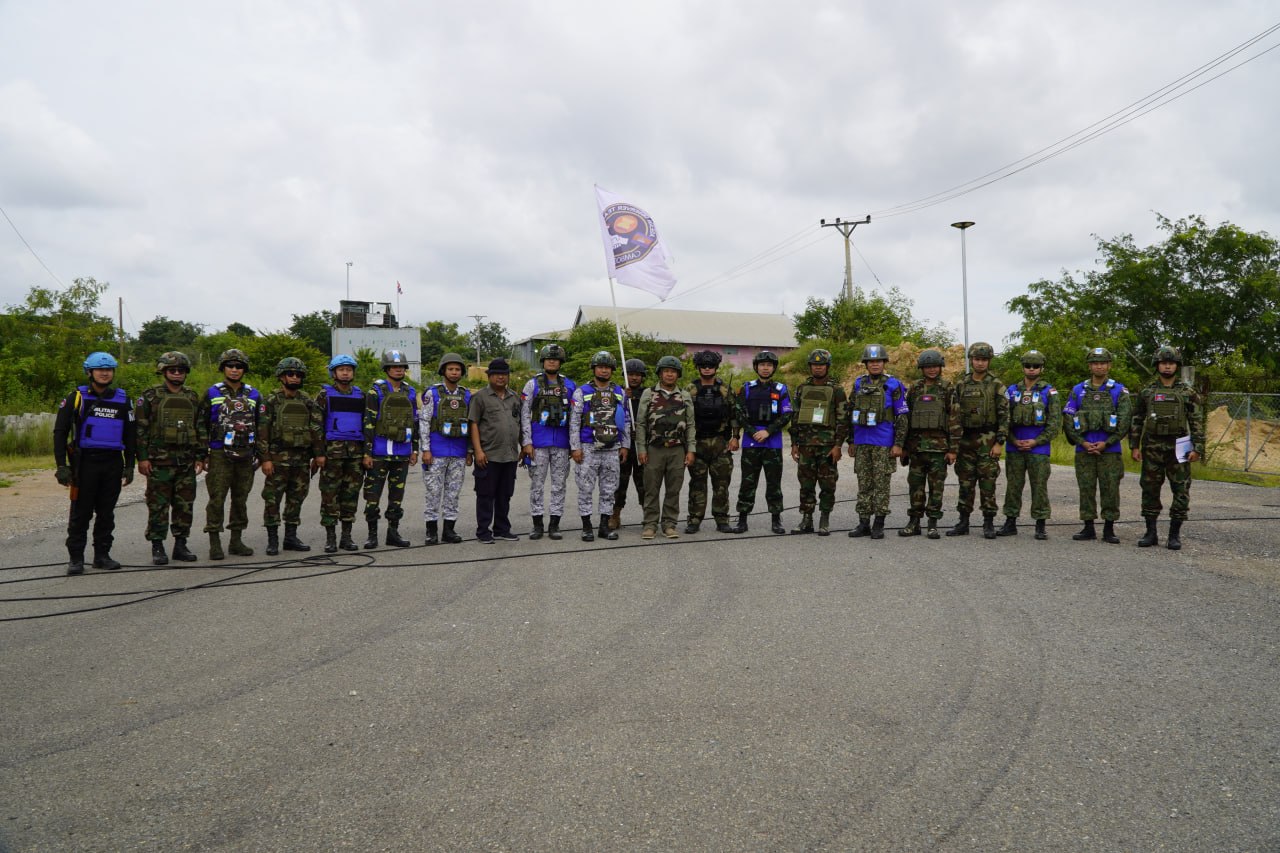
BANTEAY MEANCHEY, 4 August 2026 — Cambodia on Tuesday facilitated a field visit by the ASEAN Observer Team in Cambodia (AOT-KH) to the Boeung Trakoun border area in Banteay Meanchey province, where authorities said thousands of displaced civilians remain unable to return to their homes despite the implementation of a ceasefire.
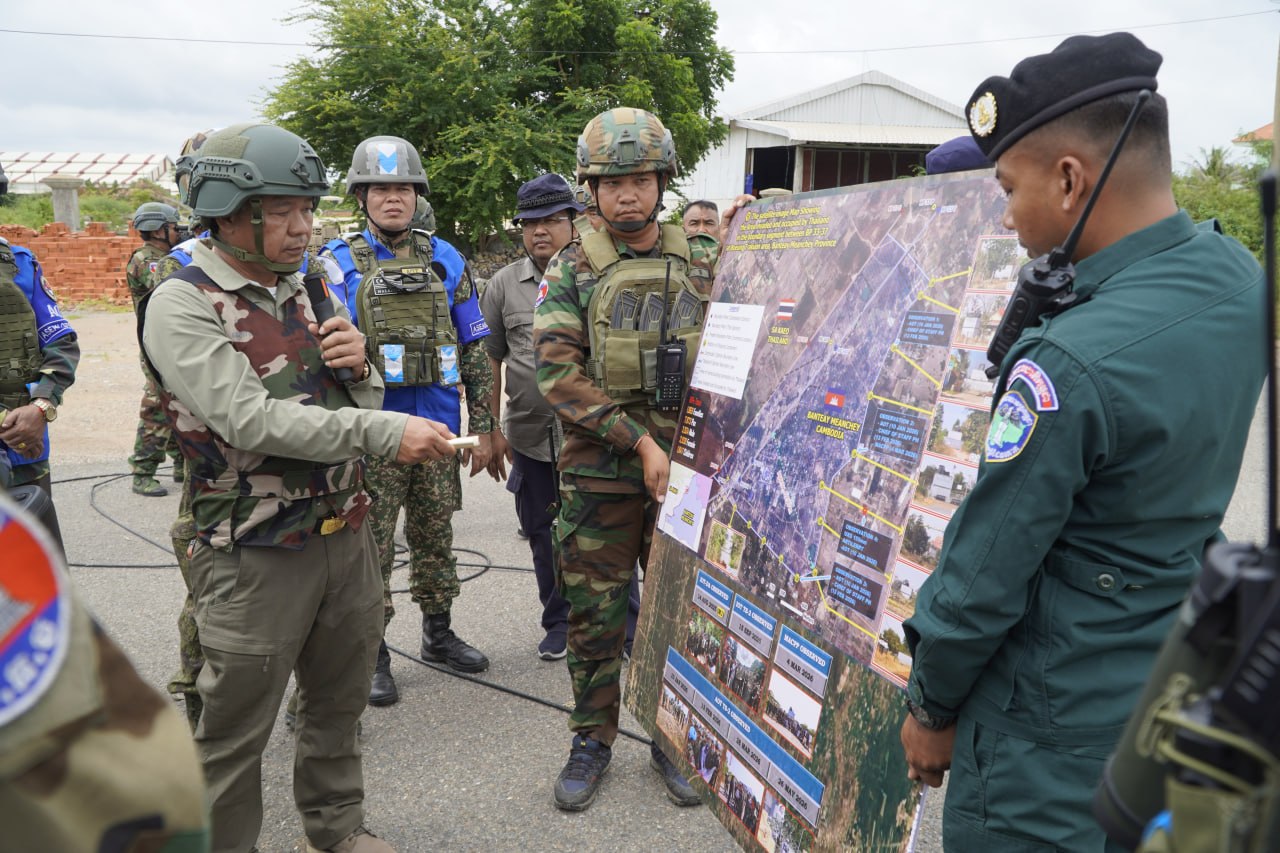
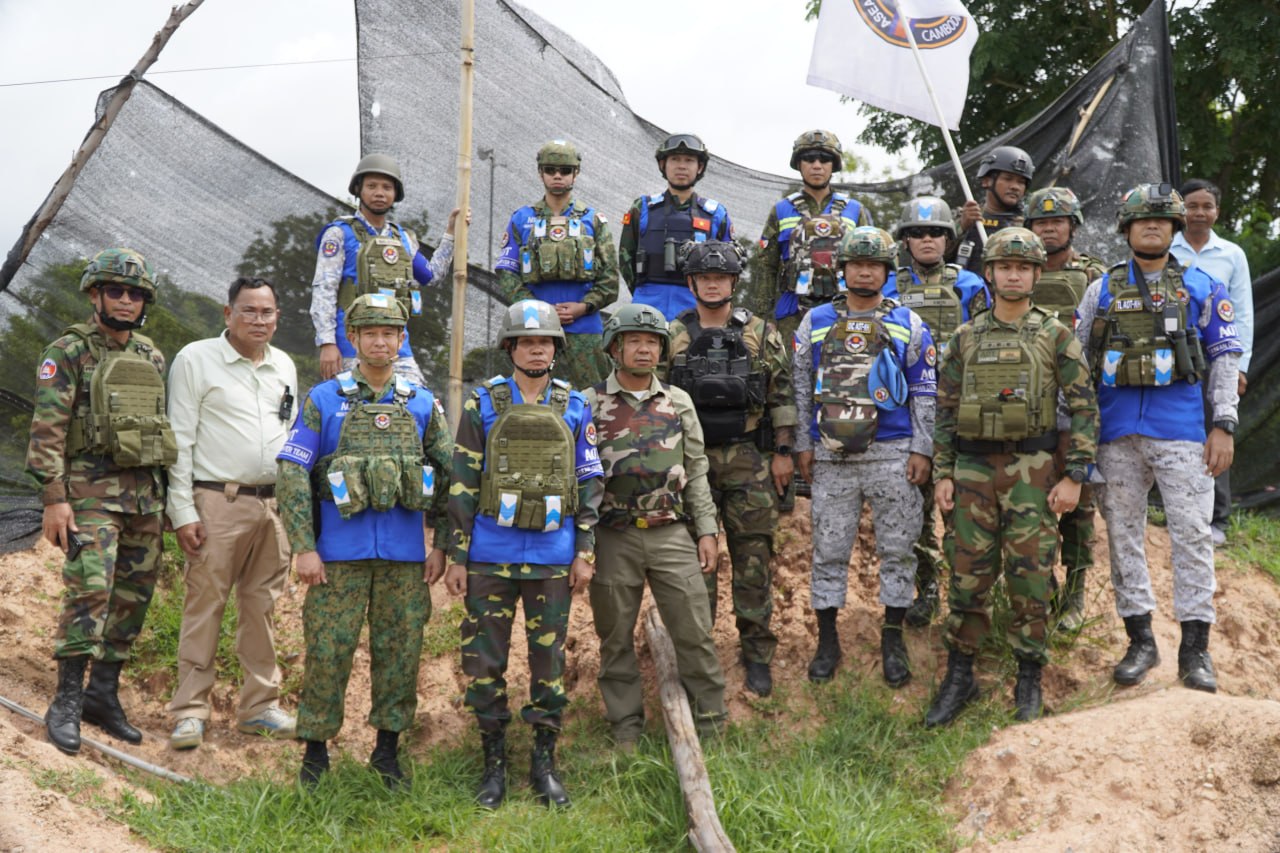
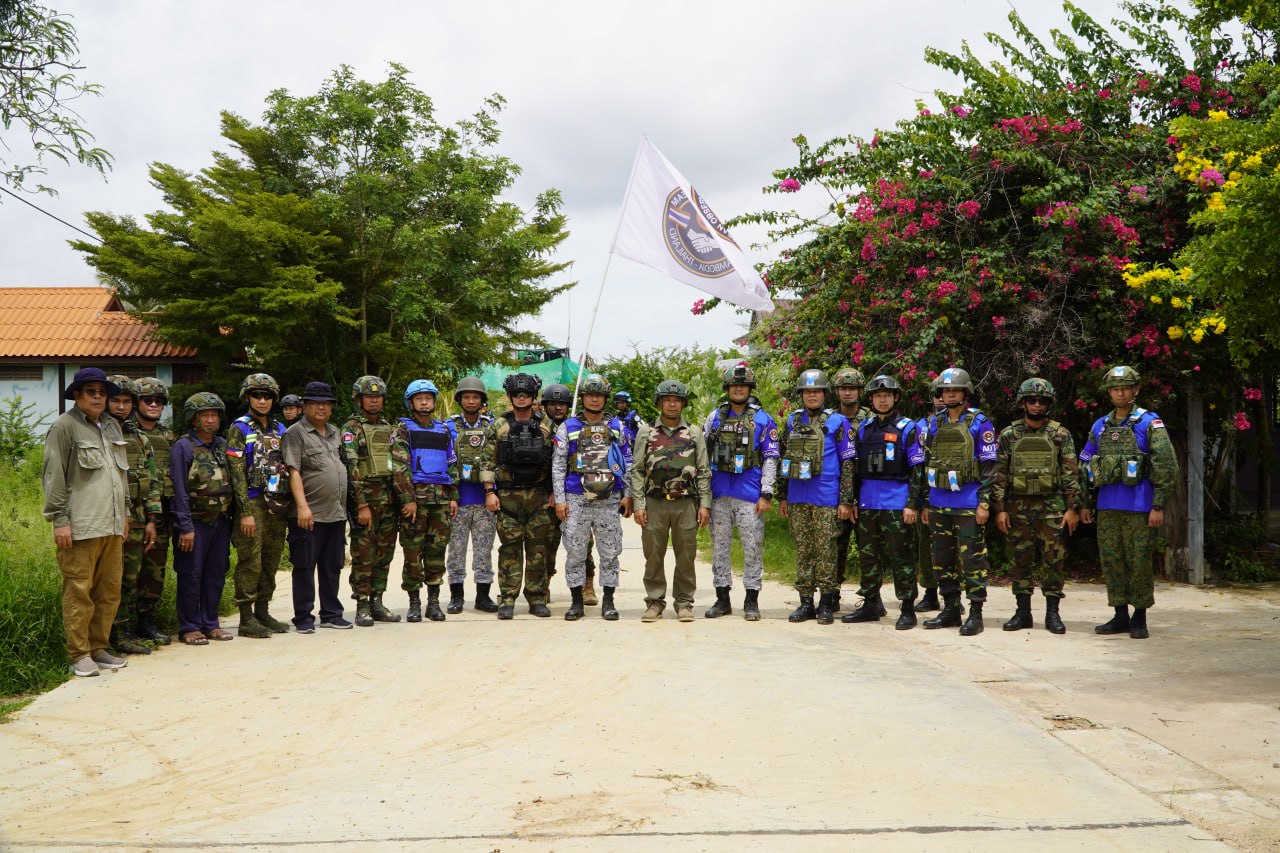
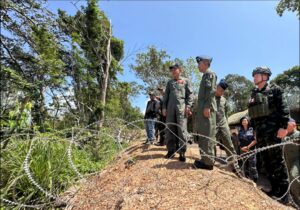
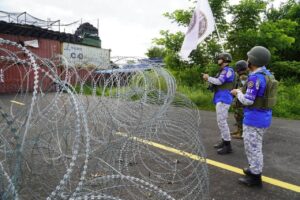
According to a press release issued by the spokeswoman for Cambodia’s Ministry of National Defence, the Cambodian Liaison Group (CLG) coordinated the visit at 10:00 a.m. on Aug. 4. The mission was led by the Head of Mission of the ASEAN Observer Team from the Philippines, who observed, verified and documented conditions at the Boeung Trakoun Border Checkpoint in Kouk Romiet Commune, Tmor Pouk District, Banteay Meanchey Province.
The ministry said that 1,870 families, or approximately 8,790 people, including 1,980 children, remain displaced and have been unable to return to their homes.
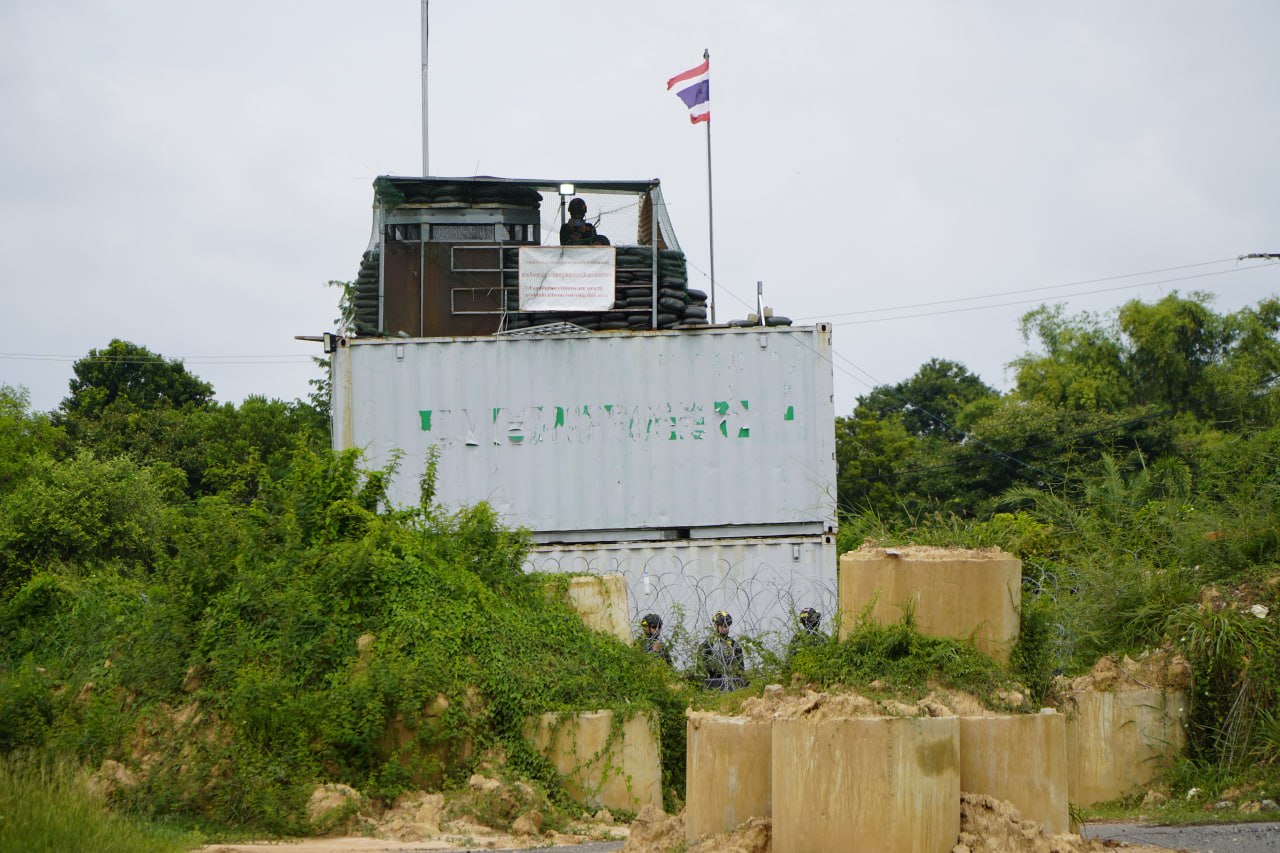
According to the statement, Cambodia attributes the continued displacement to what it described as the illegal occupation of Cambodian territory by Thai military forces, alleging that barbed wire and shipping containers have been deployed in the area and that homes belonging to Cambodian civilians have been destroyed.
The ministry said the ASEAN observation mission highlighted the need for the Cambodia-Thailand Joint Boundary Commission (JBC) to begin border demarcation work as soon as possible, in accordance with existing bilateral agreements.
It specifically referred to Point 4 of the Joint Statement adopted during the Third Special Meeting of the Cambodia-Thailand General Border Committee (GBC) on Dec. 27, 2025, saying the objective is to ensure displaced civilians can return to their homes safely, peacefully and with dignity, without obstruction.
The ministry reiterated Cambodia’s position that the international boundary between Cambodia and Thailand should continue to be determined based on the work of the Indochina-Siam Boundary Commission and in accordance with international law, including the principle of uti possidetis juris, as well as the Franco-Siamese conventions and treaties, the Protocol concerning boundary delimitation, the official boundary maps and records of the joint boundary commissions, the 2000 Memorandum of Understanding (MOU 2000), the 2003 Terms of Reference (TOR 2003) and other bilateral agreements.
The statement added that Cambodia does not recognize any alteration of the international boundary resulting from the use of force or what it described as illegal territorial occupation intended to create a fait accompli on the ground, and said it would continue to formally protest what it characterized as unilateral actions affecting Cambodia’s territorial integrity.