Cambodia Strengthens Protection of Siamese Crocodile Habitat in Veal Veng
 Cambodia Strengthens Protection of Siamese Crocodile Habitat in Veal Veng
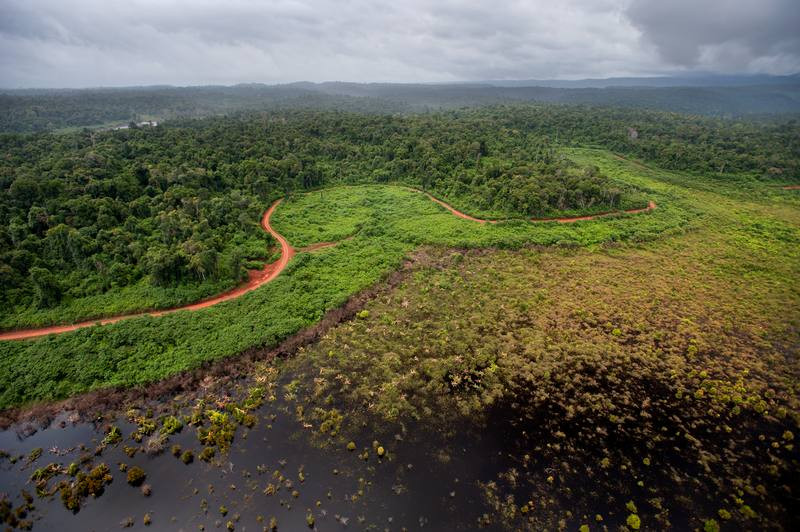
PHNOM PENH, Sept. 26, 2026 — Cambodia is strengthening legal protection for a key habitat and genetic conservation area for the critically endangered Siamese crocodile in the Veal Veng area of Pursat province, as authorities seek to secure one of the species’ remaining important wild breeding grounds.
Environment Minister Eang Sophalleth said the Veal Veng area, particularly O’Som commune, is home to an important population of Siamese crocodiles and represents a major site for protecting the species’ natural genetic resources.
He said the designation reflects the government’s commitment, together with conservation partners, to ensuring the species survives and reproduces in the wild across future generations.
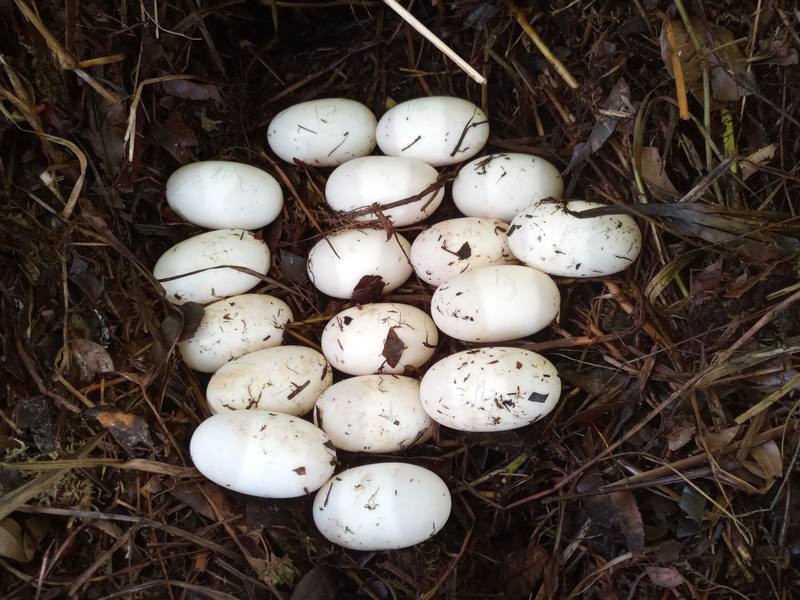
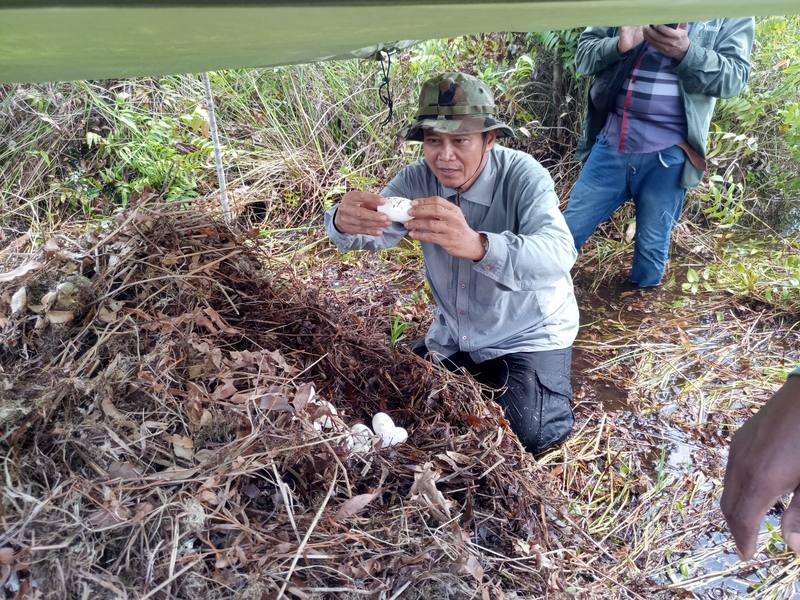
The importance of the area was underscored in June 2025, when researchers discovered a wild Siamese crocodile nest containing 17 eggs in O’Som, providing evidence that the area remains an active natural breeding site. Conservation International said the discovery signalled that O’Som was a thriving breeding ground and highlighted the need for stronger legal protection.
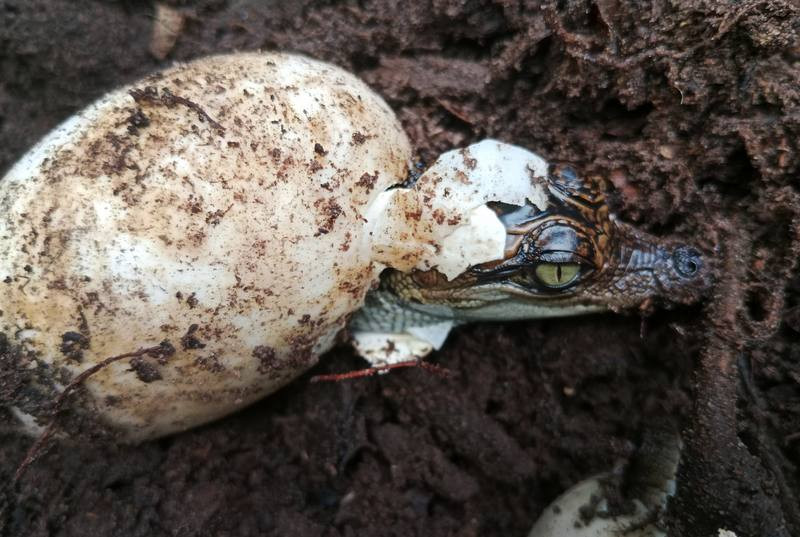
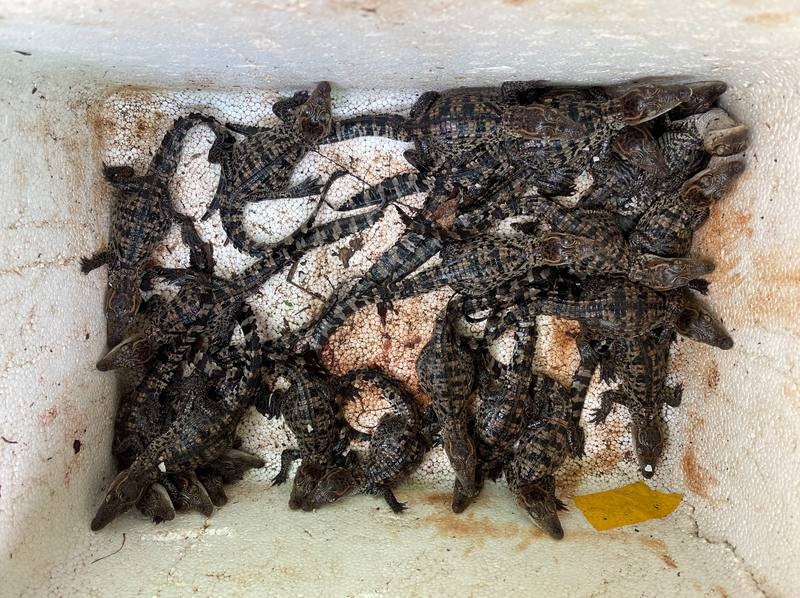
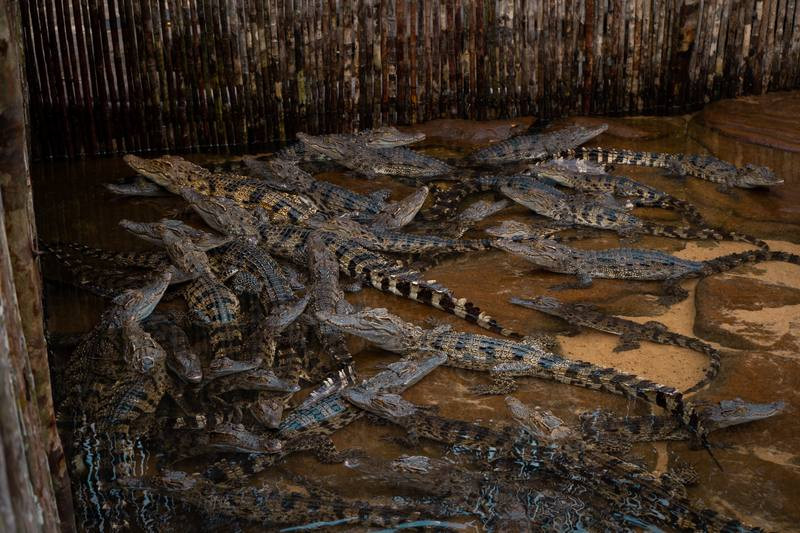
The discovery formed part of a wider series of successful conservation findings in Cambodia’s Cardamom Mountains. In June 2025, three wild Siamese crocodile nests containing 43 eggs were found in the Chhay Reap and O’Som areas. Of those eggs, 34 were identified as fertilised and placed under protection and monitoring by conservation experts and local communities.
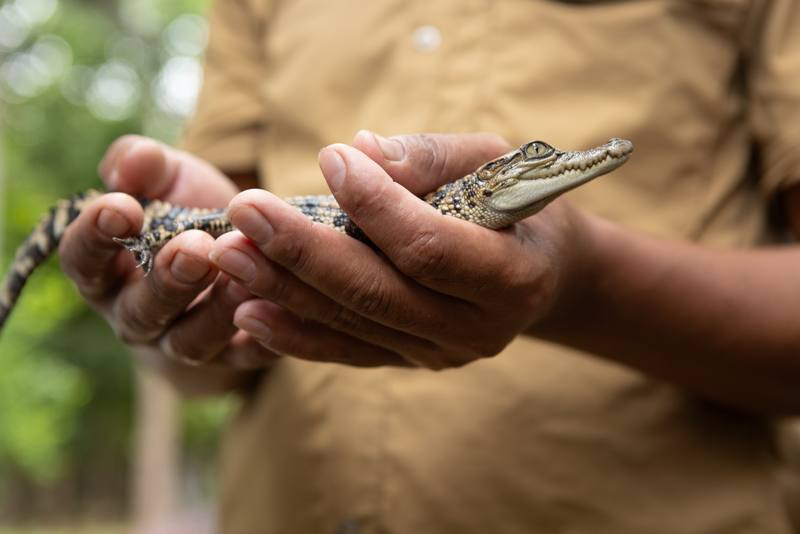
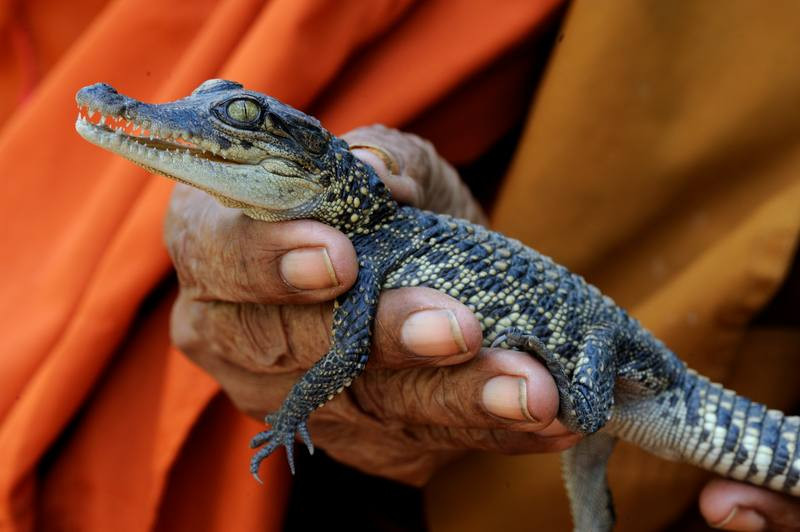
The Siamese crocodile (Crocodylus siamensis) is classified as critically endangered and is among the world’s most threatened crocodile species. Cambodia’s Cardamom Mountains are considered one of its last major strongholds, with long-running conservation programmes combining habitat protection, community patrols, breeding and reintroduction efforts.
The Cambodian government said protection of the O’Som area is being implemented under its Environmental Strategic Plan 2023–2028, particularly the strategy for strengthening natural-resource protection, restoration and law enforcement.
Management of the area falls under the Pursat Provincial Department of Environment, with cooperation from the Ministry of Agriculture, Forestry and Fisheries, relevant government institutions, local authorities and communities, as well as conservation organisations including Conservation International and Fauna & Flora.
The move adds to Cambodia’s broader efforts to restore wild Siamese crocodile populations. Fauna & Flora says a genetic conservation area was established in 2026 to protect Siamese crocodile habitat, following years of breeding, monitoring and releases.
Conservation efforts have already produced signs of recovery. In 2024, 60 Siamese crocodiles successfully hatched from entirely wild nests, while further wild nests were identified in the Cardamom Mountains in 2025.
Authorities and conservation partners say continued protection of breeding sites, prevention of poaching and close cooperation with local communities will be essential to maintaining the species’ genetic diversity and supporting its long-term recovery in the wild.