Cambodia Unveils 10-Year Strategy to Transform Rural Communities
 Cambodia Unveils 10-Year Strategy to Transform Rural Communities
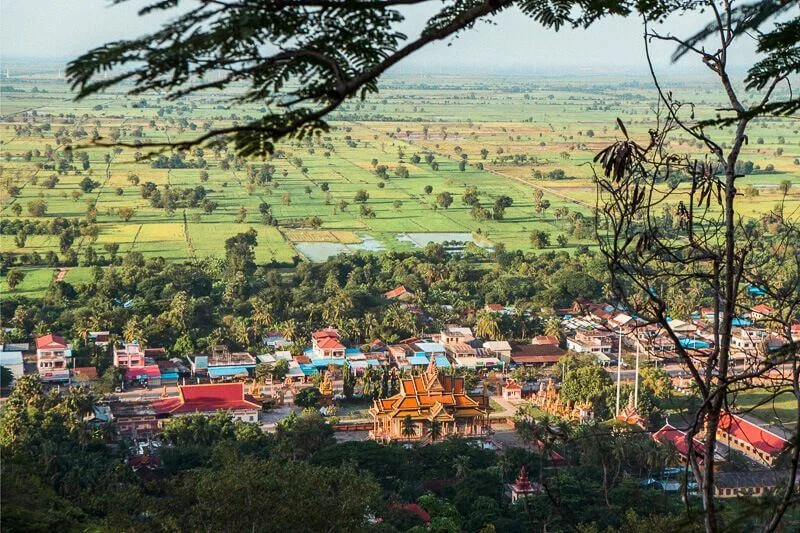
PHNOM PENH, 11 July 2026 — Cambodia has unveiled a decade-long national policy built around five strategic priorities aimed at transforming rural communities by 2035 through stronger infrastructure, improved public services, higher household incomes, digital governance and sustainable development.
The National Policy on Rural Development 2025–2035 sets out a vision of building “a prosperous, inclusive, equitable and sustainable rural society” as part of Cambodia’s broader development ambitions under Vision 2050.
The policy seeks to improve living standards and strengthen the resilience of rural communities while promoting better health, a cleaner environment and dignified livelihoods. It is also designed to contribute to poverty reduction and sustainable national economic growth.
Four key development targets underpin the strategy: building well-connected rural infrastructure, improving health and life expectancy, creating safe and environmentally sustainable communities, and ensuring sustainable growth in household incomes.
Under the first strategic priority, Cambodia will focus on developing climate-resilient rural transport networks to improve connections between villages, towns and major economic centres.
The initiative is expected to improve access to markets, schools, healthcare facilities and other essential services while supporting greater economic activity in rural areas.
The second priority focuses on expanding access to clean water and sanitation to improve public health and living conditions.
The third pillar aims to promote diversified and resilient community development through initiatives including “One Village, One Product,” model villages and stronger participation by indigenous communities and local leaders.
Increasing household incomes forms the fourth strategic priority. The policy calls for expanded vocational training, entrepreneurship, agricultural and product processing, job creation and improved access to domestic and international markets.
The fifth priority focuses on strengthening rural governance through digital transformation and closer partnerships among government institutions, local authorities, civil society organisations, development partners and the private sector.
To implement the strategy, the Ministry of Rural Development has identified five priority programmes covering rural roads, clean water and sanitation, resilient villages, economic diversification and improved governance.
Implementation will be monitored through annual progress reports, while comprehensive reviews will be conducted every five years to assess achievements, challenges and necessary policy adjustments.
The roadmap will serve as a framework for ministries, local authorities, development partners and businesses to coordinate policies and mobilise resources for rural development over the next decade.
Through the strategy, Cambodia aims to create more prosperous, resilient and sustainable rural communities while reducing development gaps and supporting the country’s long-term ambition of becoming a high-income nation by 2050.