CMAC Maps 2,700sq km of Land Affected by Cluster Munitions from 2025 Conflict
 CMAC Maps 2,700sq km of Land Affected by Cluster Munitions from 2025 Conflict
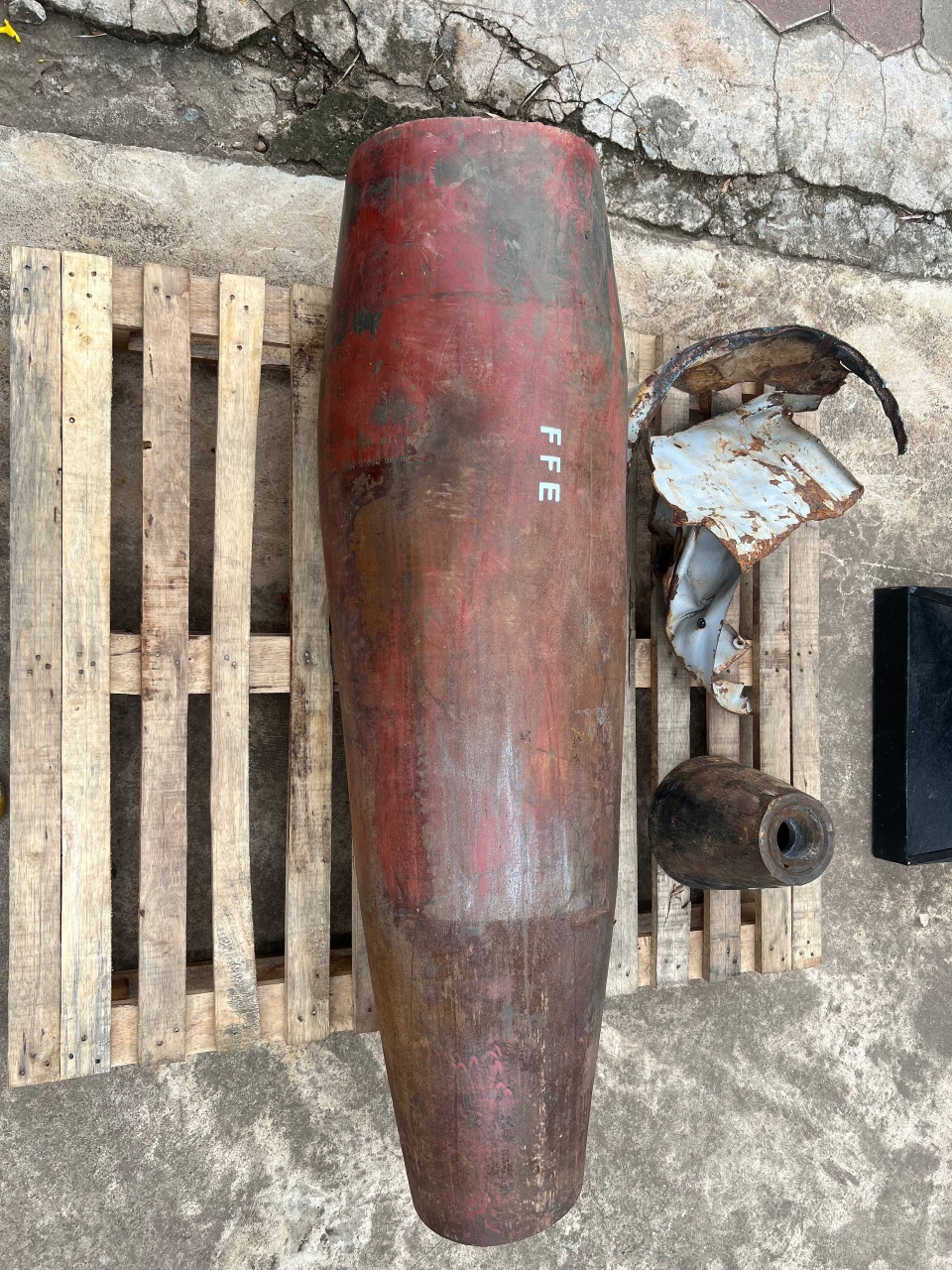
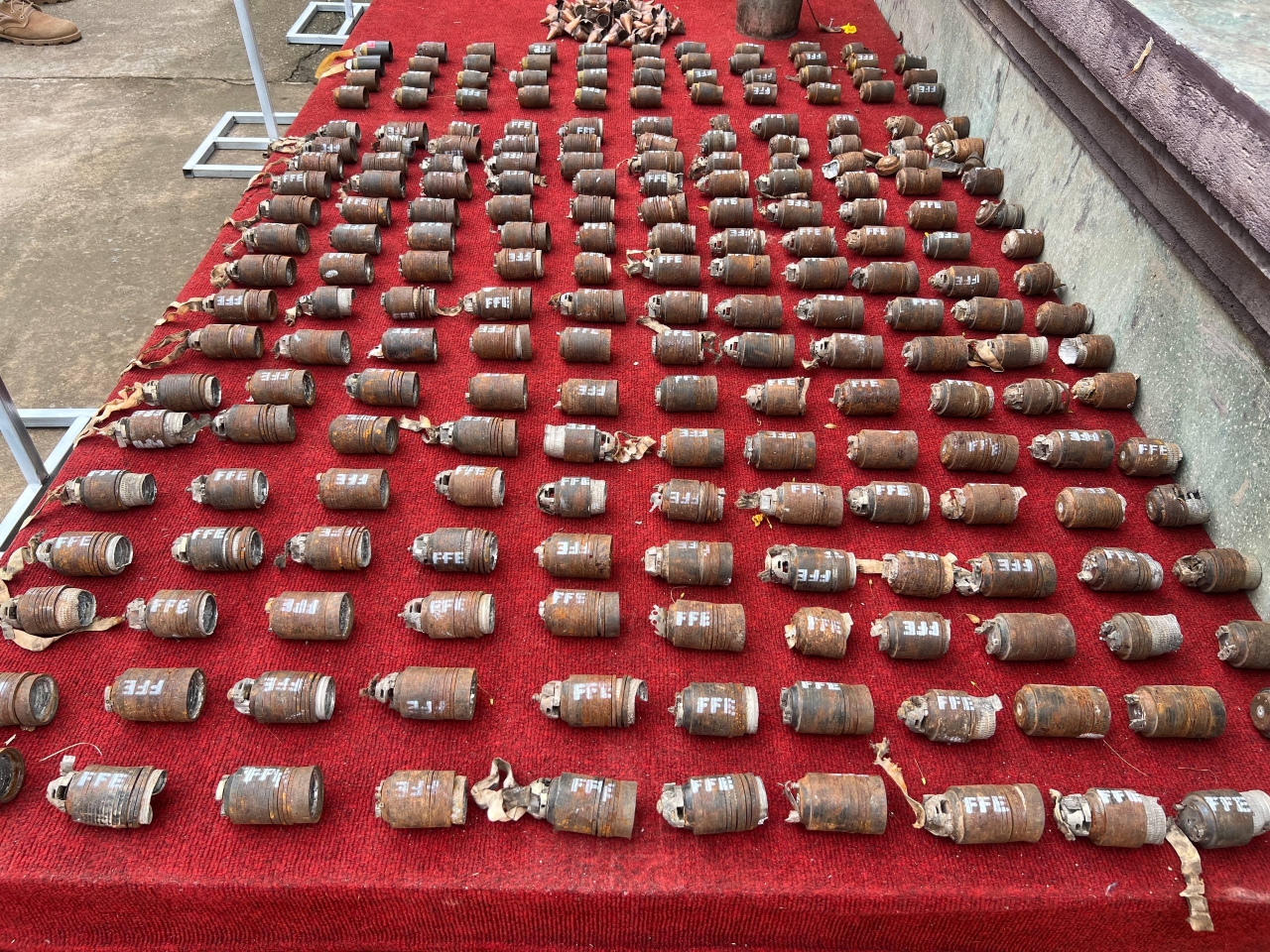
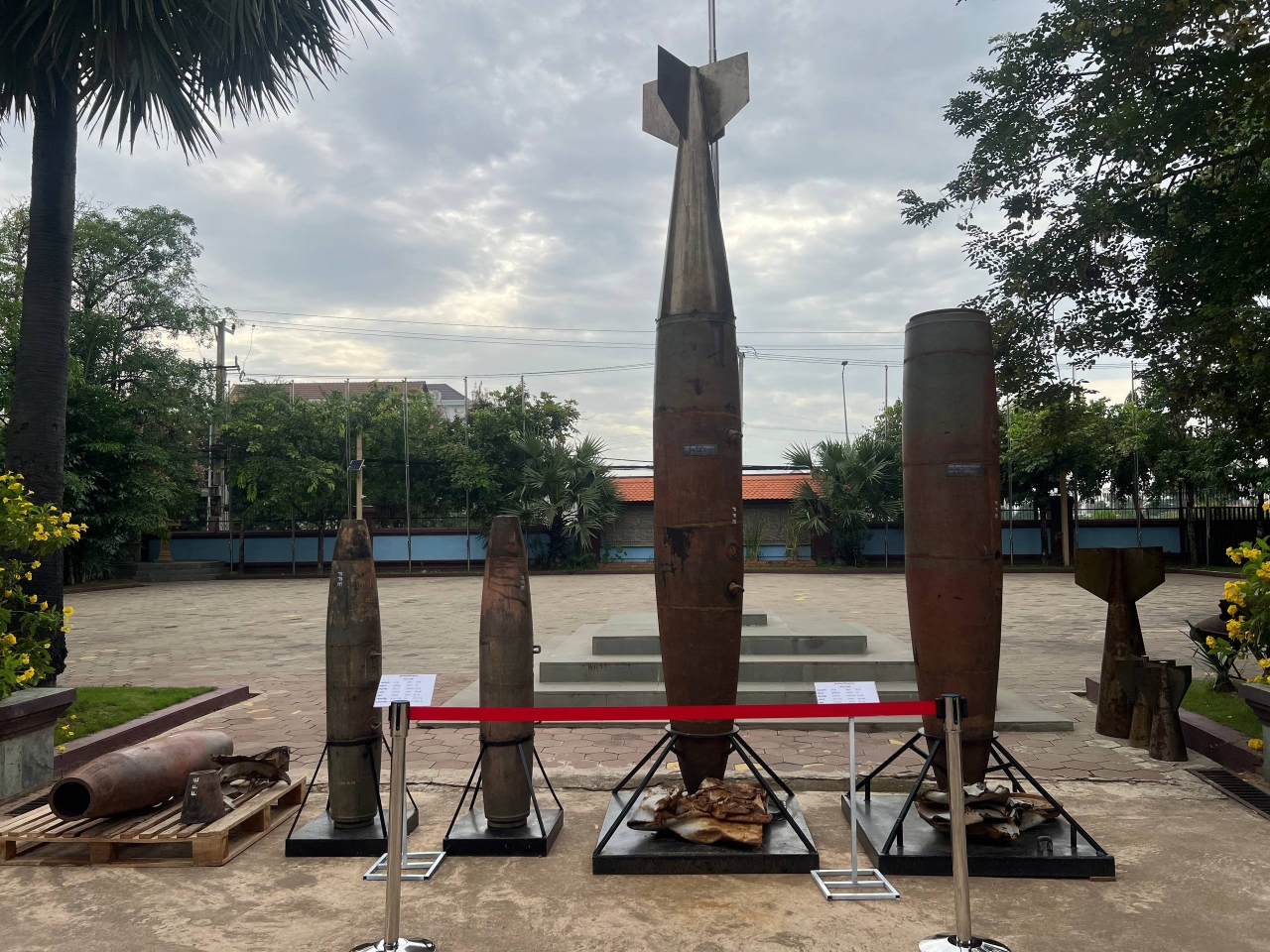
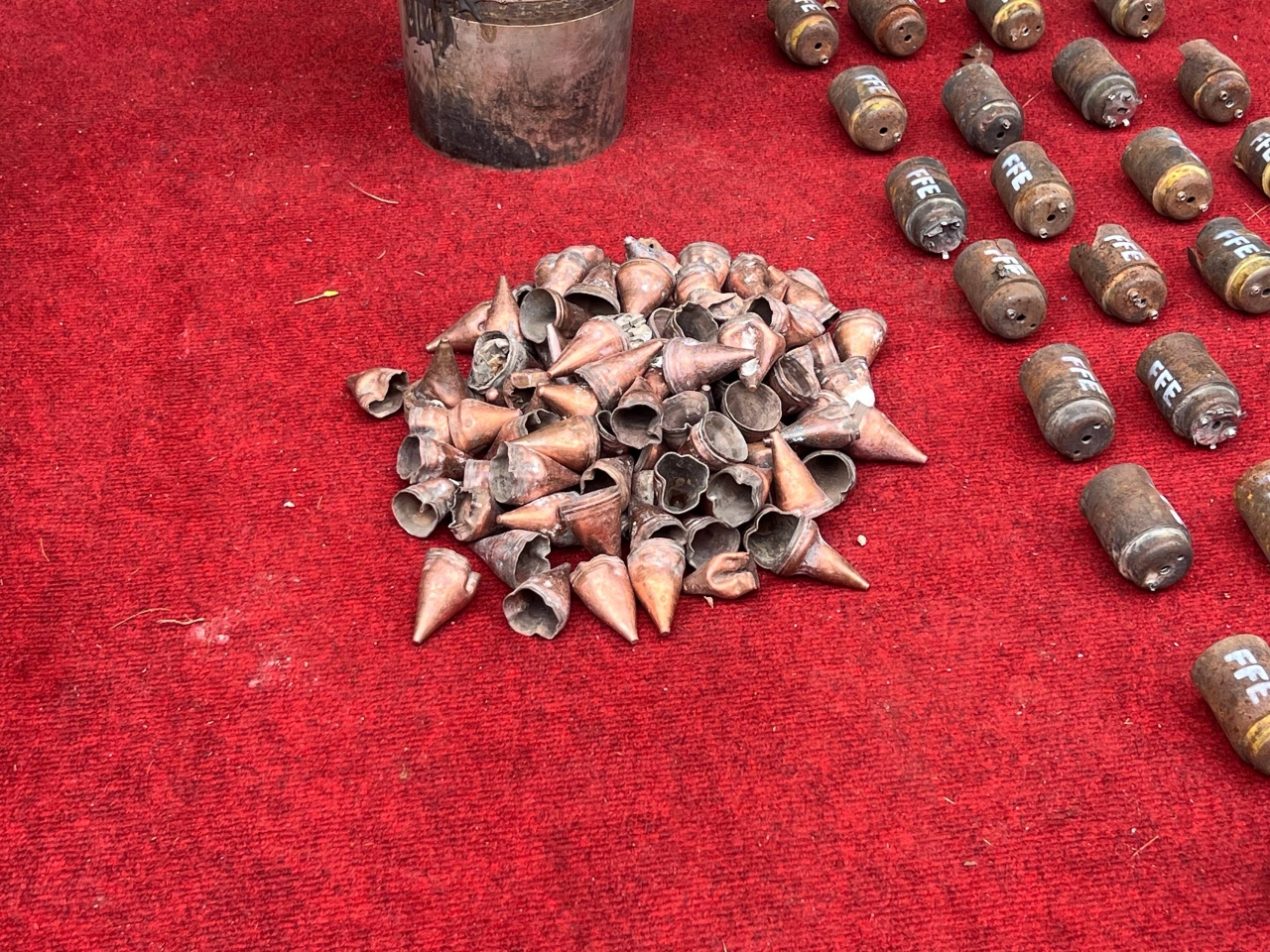
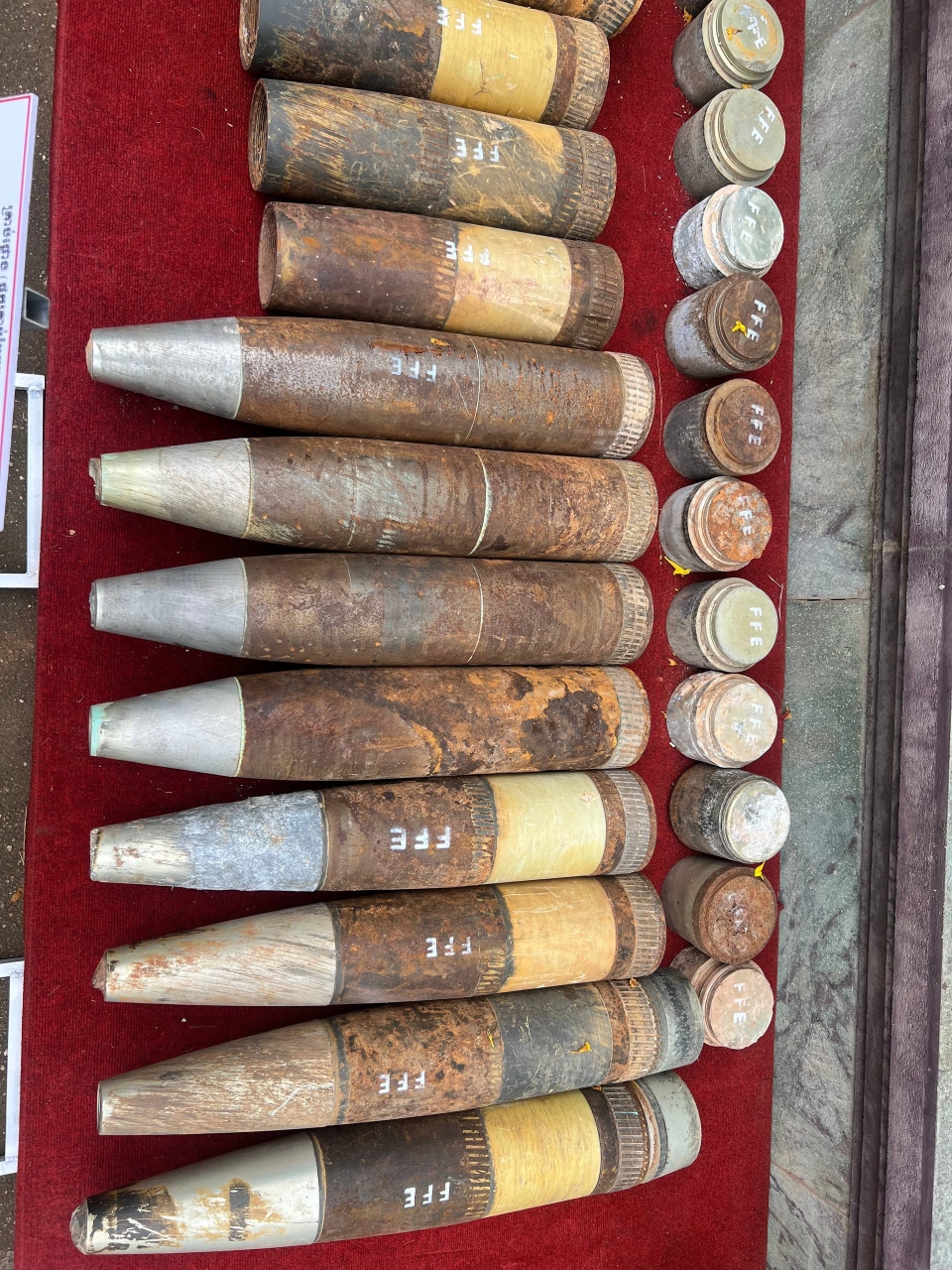
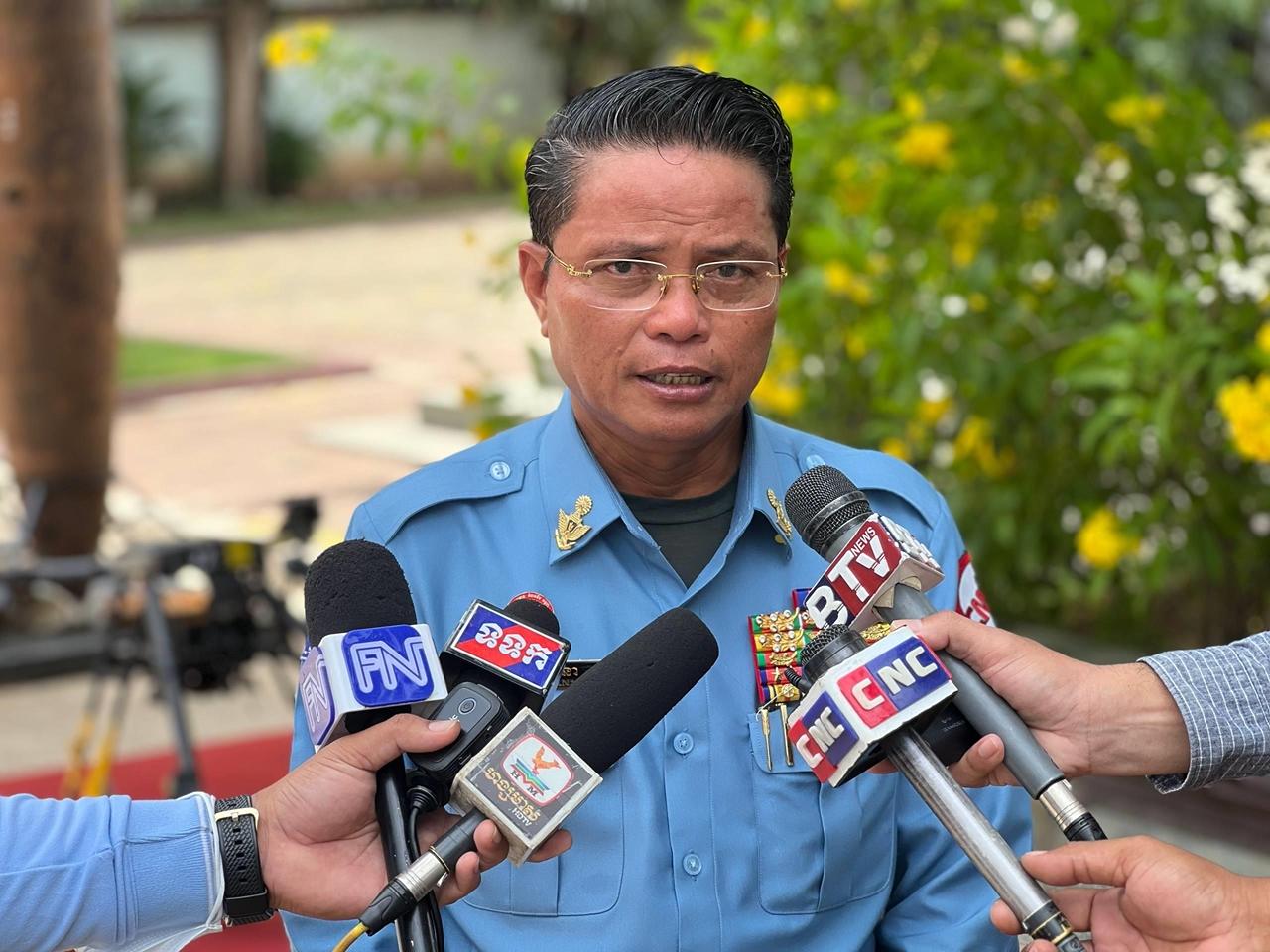
PHNOM PENH, August 31, 2026 — The Cambodian Mine Action Centre (CMAC) has identified more than 2,700 square kilometres of land affected by cluster munitions during its clearance and survey work in the first six months of 2026, according to CMAC Director General Heng Ratana.
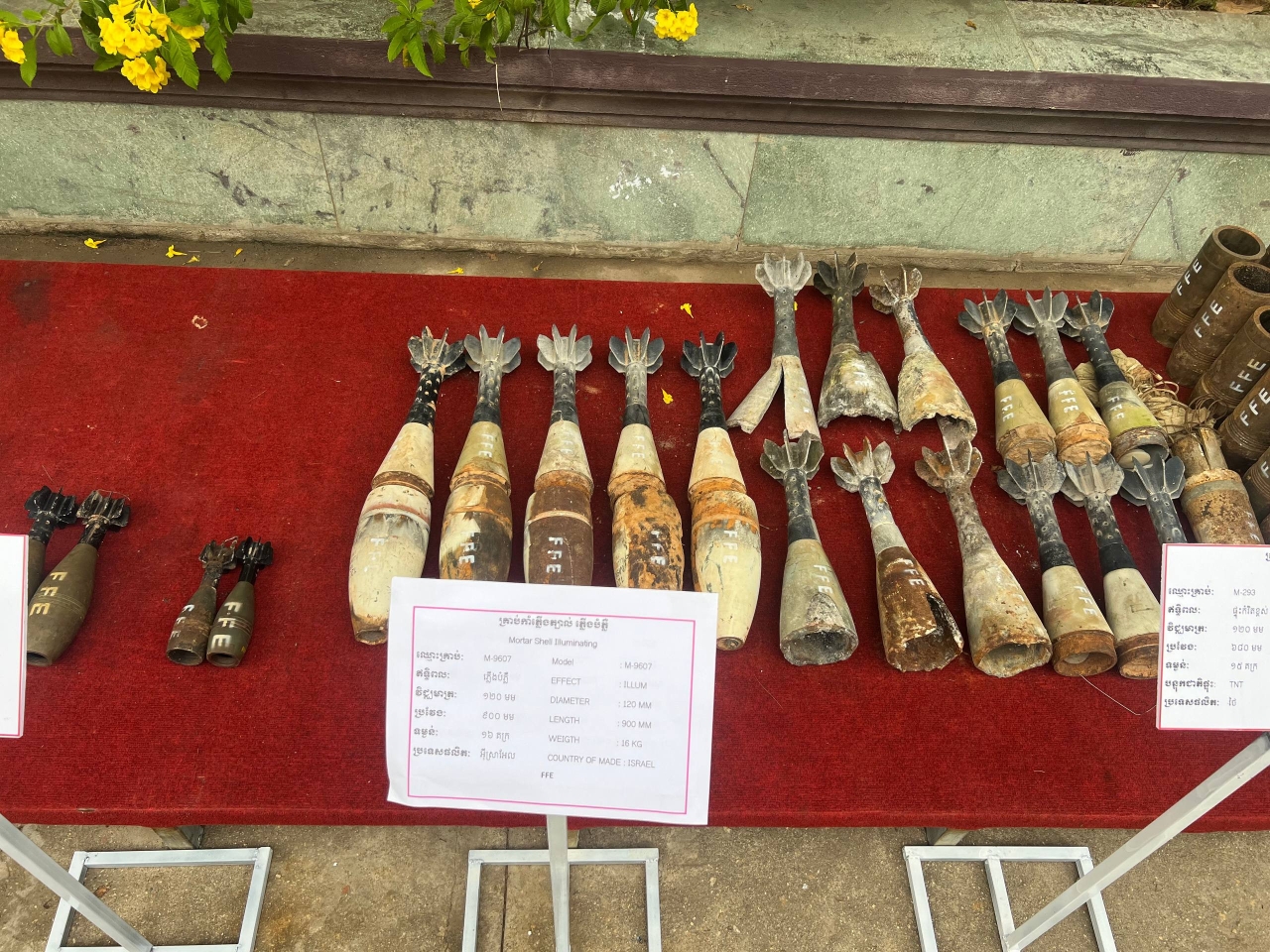
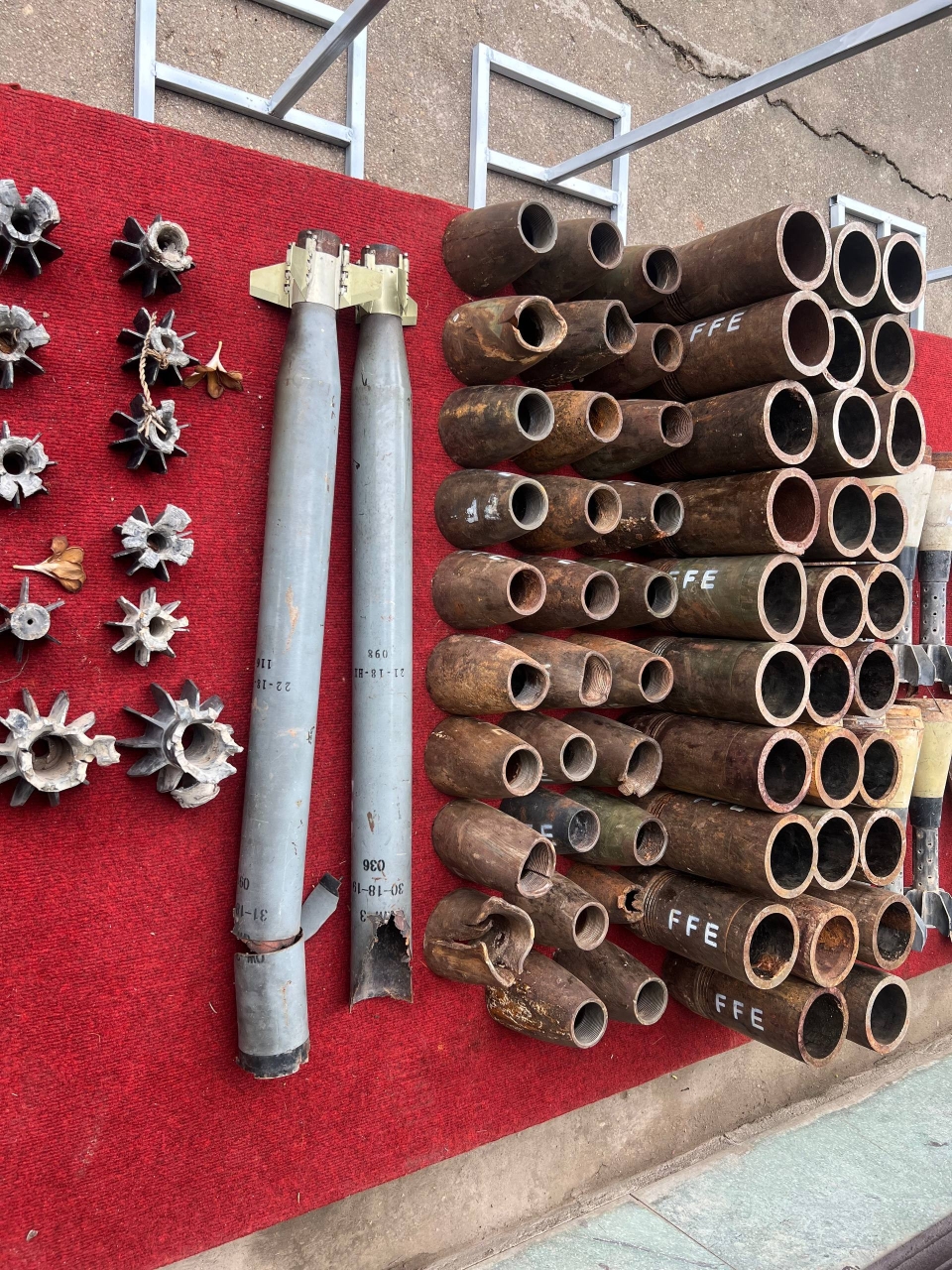
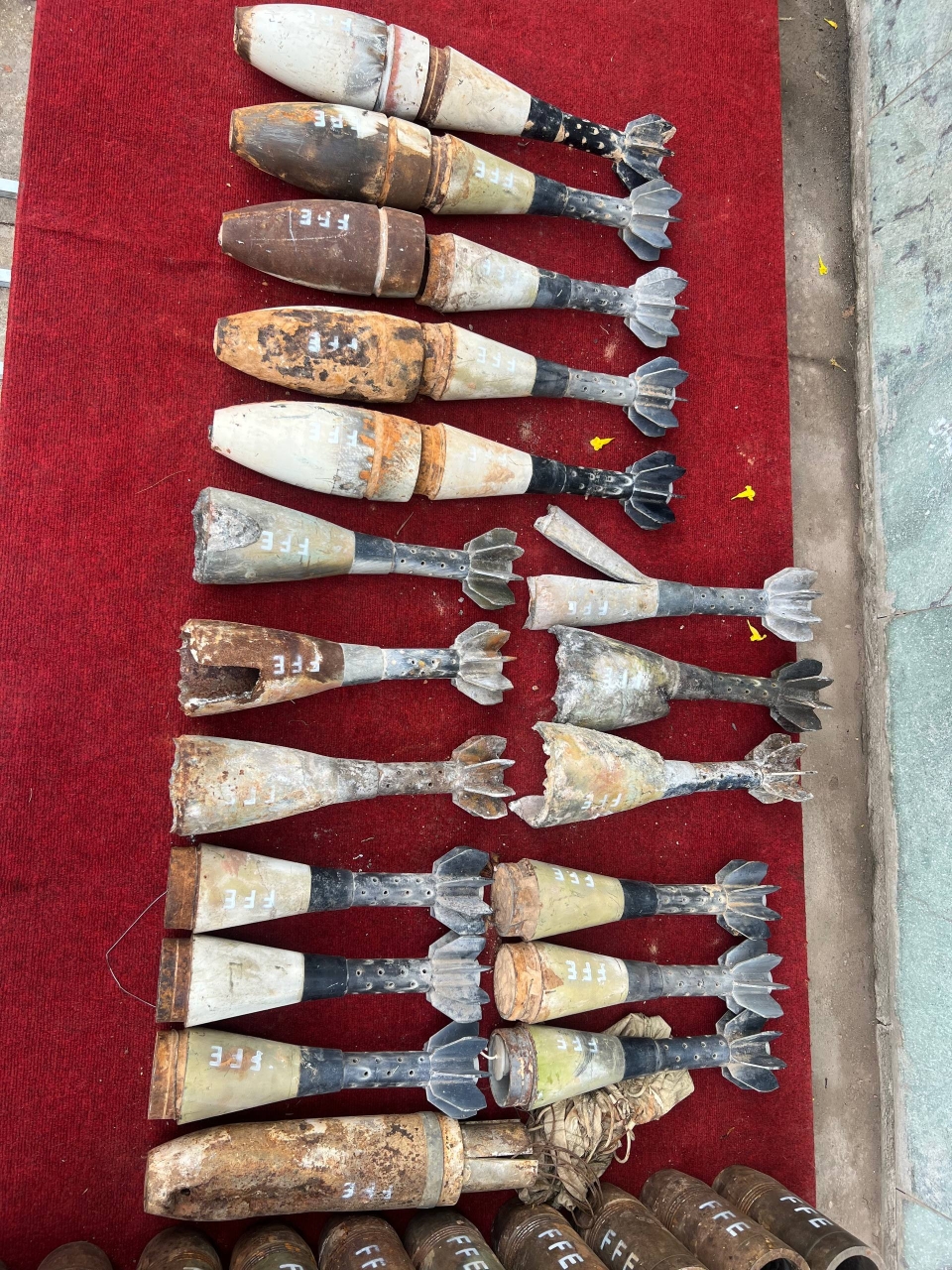
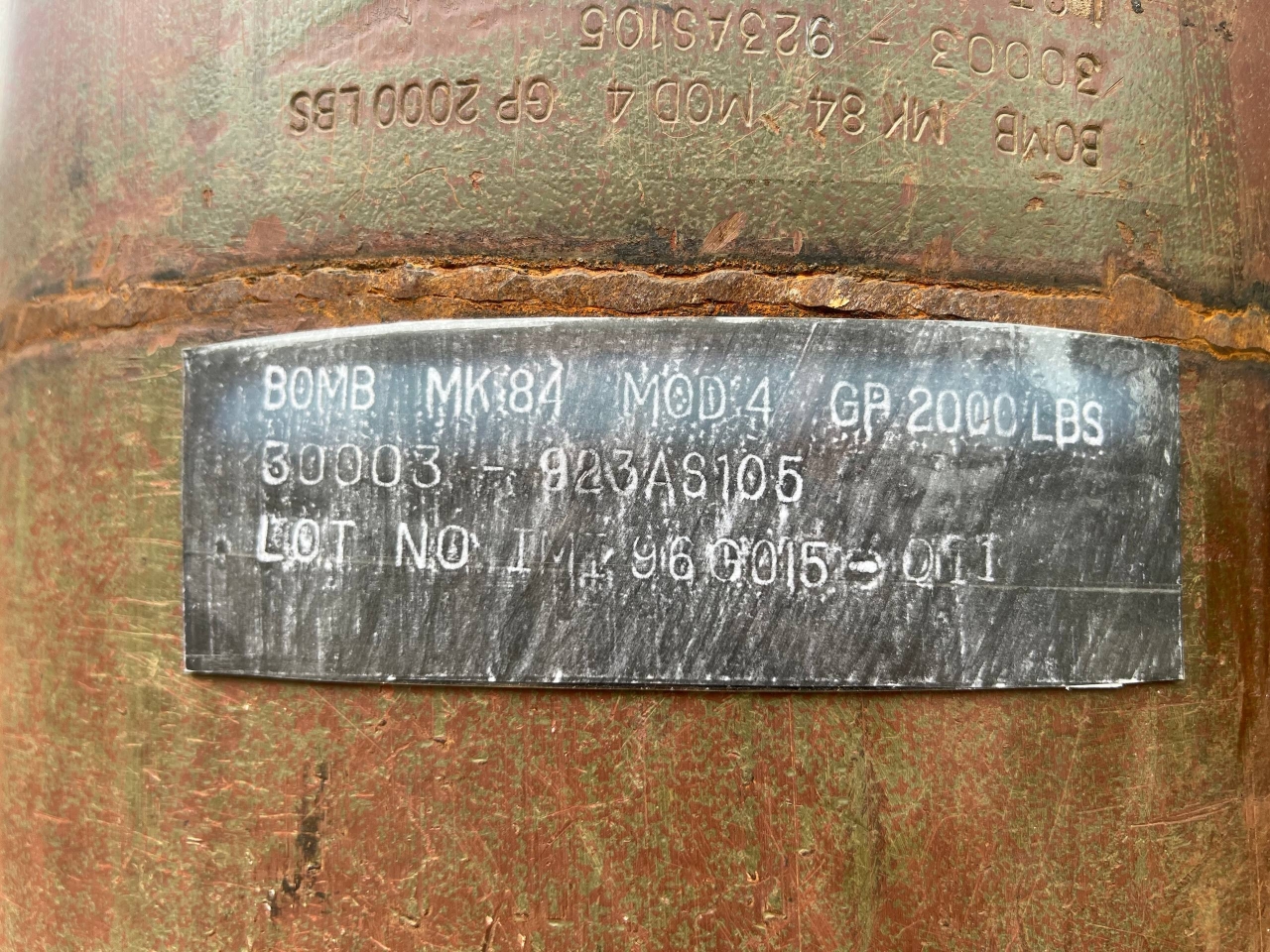
Heng Ratana said CMAC specialists had completed surveys in 35 villages during the first half of the year, identifying more than 3,800 square kilometres of land affected by remnants of war, including more than 2,700 square kilometres believed to be affected by cluster munitions.
He made the remarks after briefing ASEAN observers and foreign military attachés in Cambodia on the latest situation concerning remnants of war attributed by Cambodian authorities to the 2025 conflict.
According to CMAC, its research has identified more than 5,400 affected areas, or polygons, covering approximately 3,800 square kilometres.
Of that area, more than 2,700 square kilometres has been identified as affected by cluster-munition contamination.
CMAC said its assessment covers areas used by Thai military forces during what Cambodian authorities describe as the 2025 war. Heng Ratana characterized the scale of the reported cluster-munition contamination as exceptionally large.
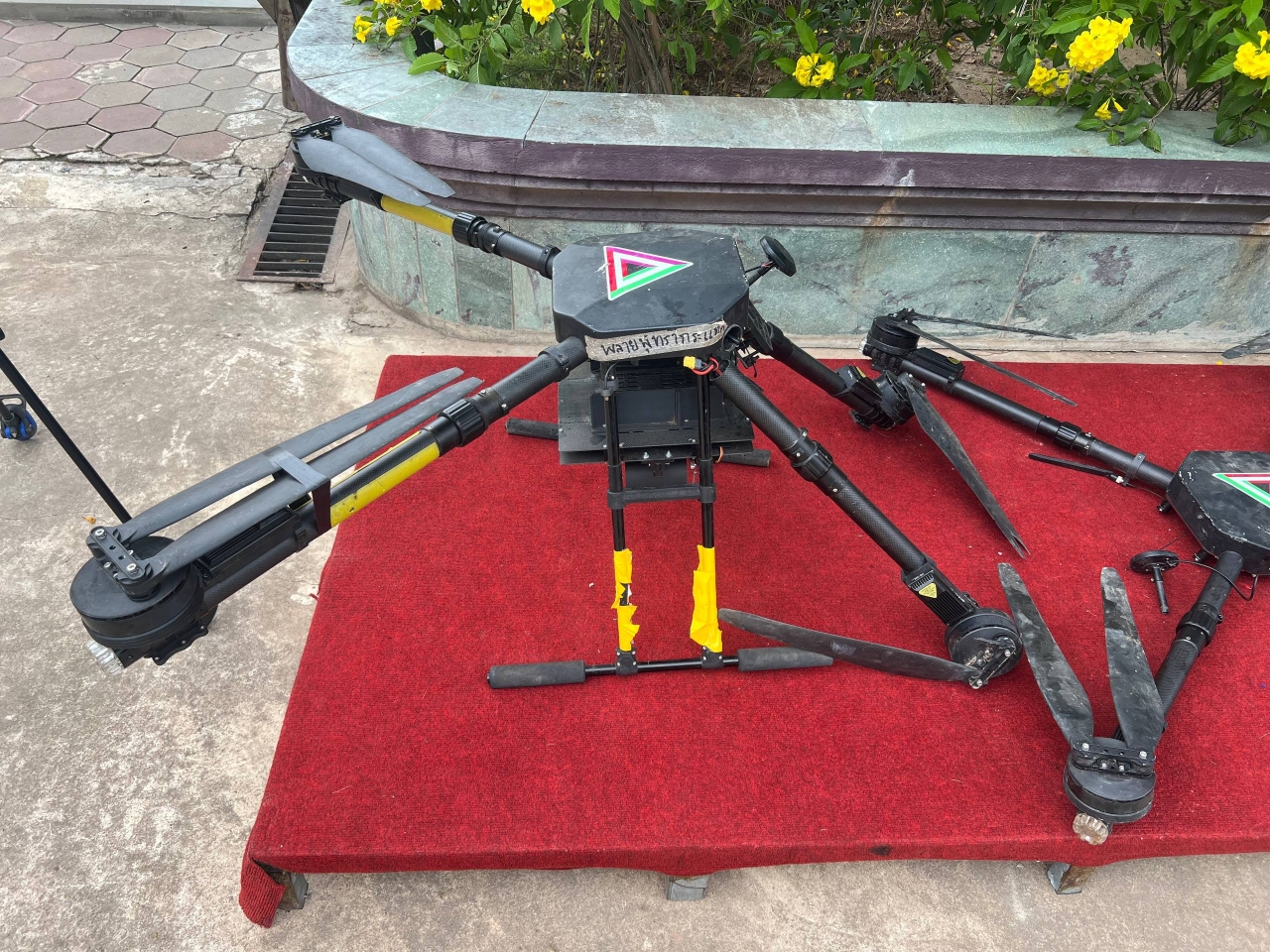
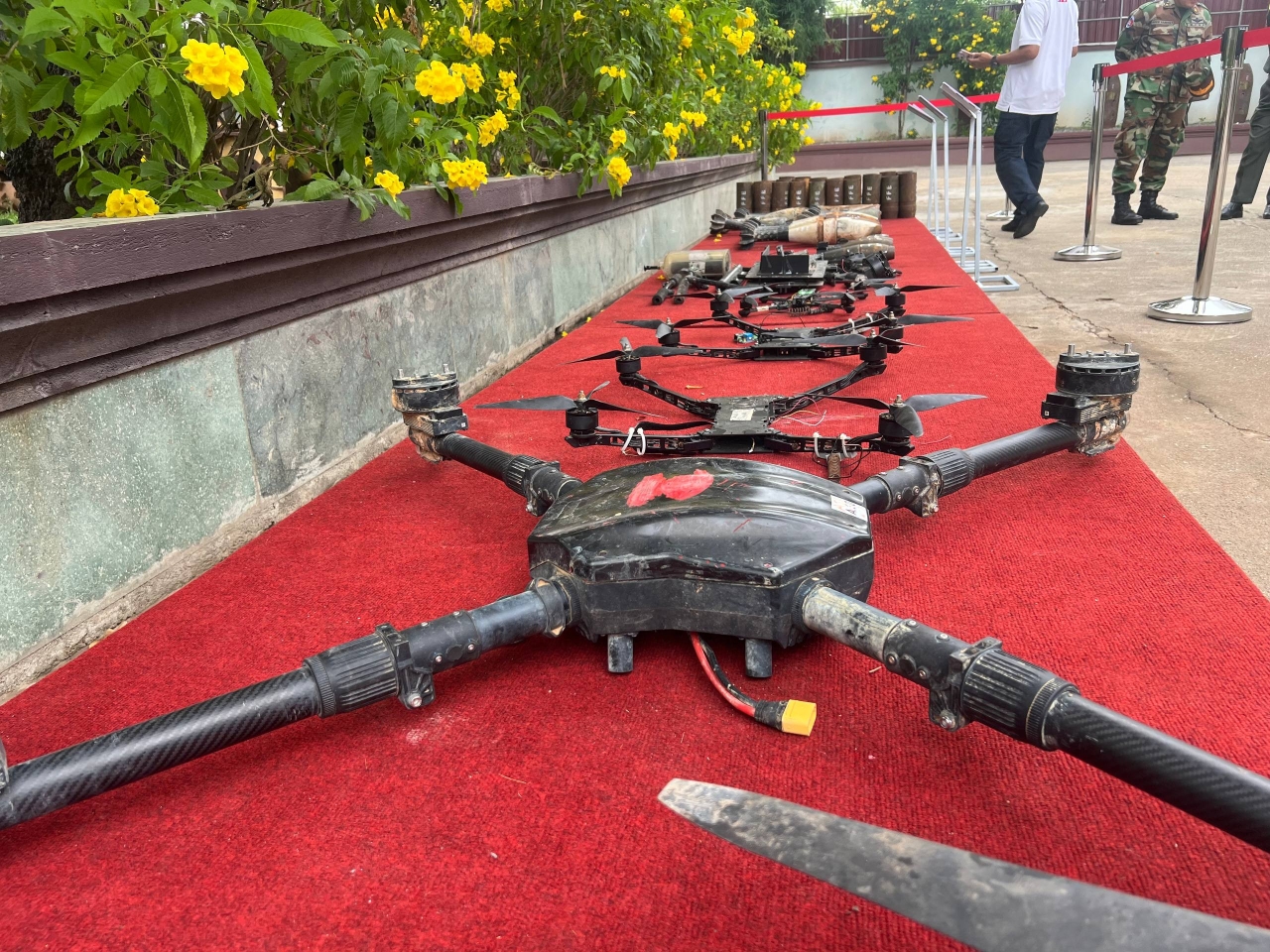
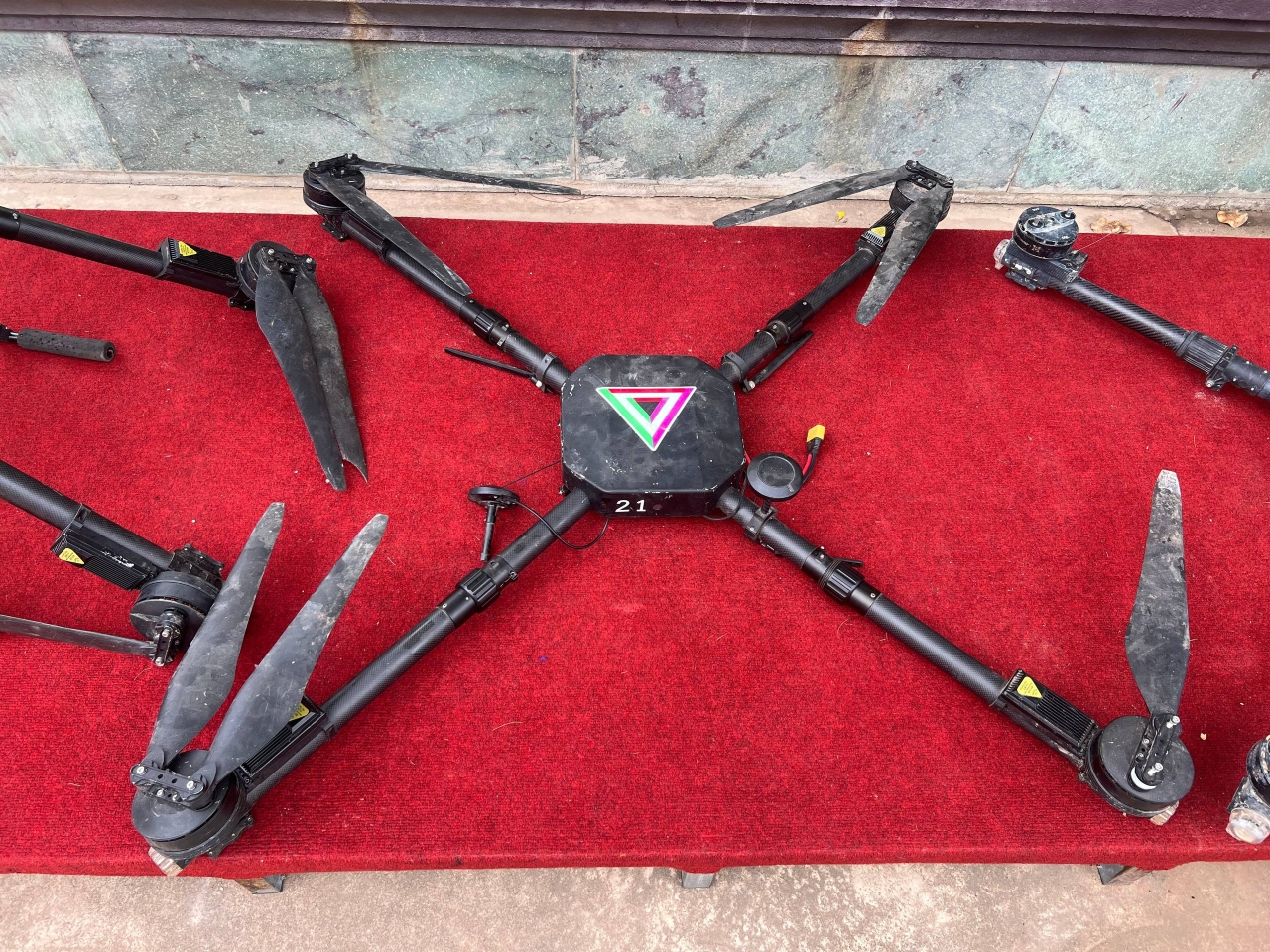
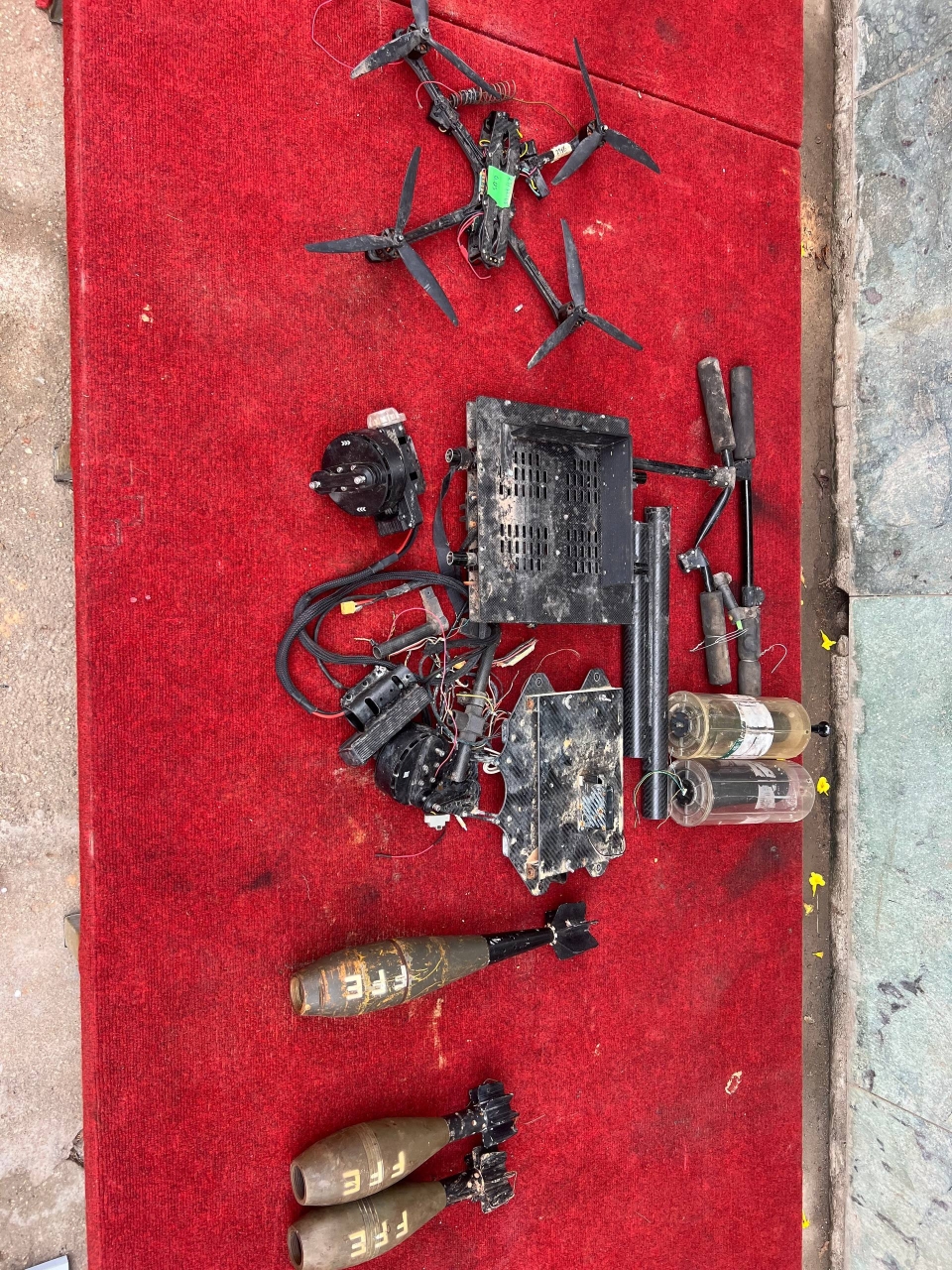
He also said the cluster munitions were used over a period of approximately three days during the conflict and alleged that civilian areas—including villages, schools, hospitals, pagodas and homes—were among the affected locations.
CMAC said it has completed information research covering 335 of the 349 villages affected by the 2025 conflict.
The agency has identified approximately 386,880 hectares of land affected by remnants of war, distributed across 5,409 polygons. Of that total, more than 295,096 hectares have been identified as threatened by cluster munitions.
The agency said its research teams have also collected more than 16,000 pieces of evidence documenting damage and the presence of war remnants, including impacts on communities, homes, schools and cultural heritage sites.
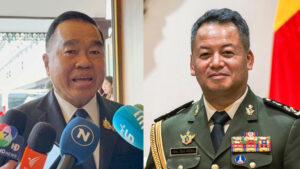
The latest findings were presented on the morning of August 31 to a group of 37 ASEAN observers, led by Commodore Glenn Z. Dizon, head of the ASEAN Observer Team mission in Cambodia from the Philippines.
A further 16 foreign military attachés based in Phnom Penh also attended the briefing. Representatives came from the United States, China, France, India, Japan, Australia, Russia, South Korea and ASEAN member states.
The military attachés were led by US Military Attaché Col Kyle Saltzman, who serves as head of the Military Attaché Corps in Phnom Penh.
CMAC said the briefing was intended to provide the observers and military representatives with an update on the reported remnants of war and the areas affected during the 2025 conflict.