Embroidering One Khmer Sbai Takes More Than a Month, Artisan Says
 Embroidering One Khmer Sbai Takes More Than a Month, Artisan Says
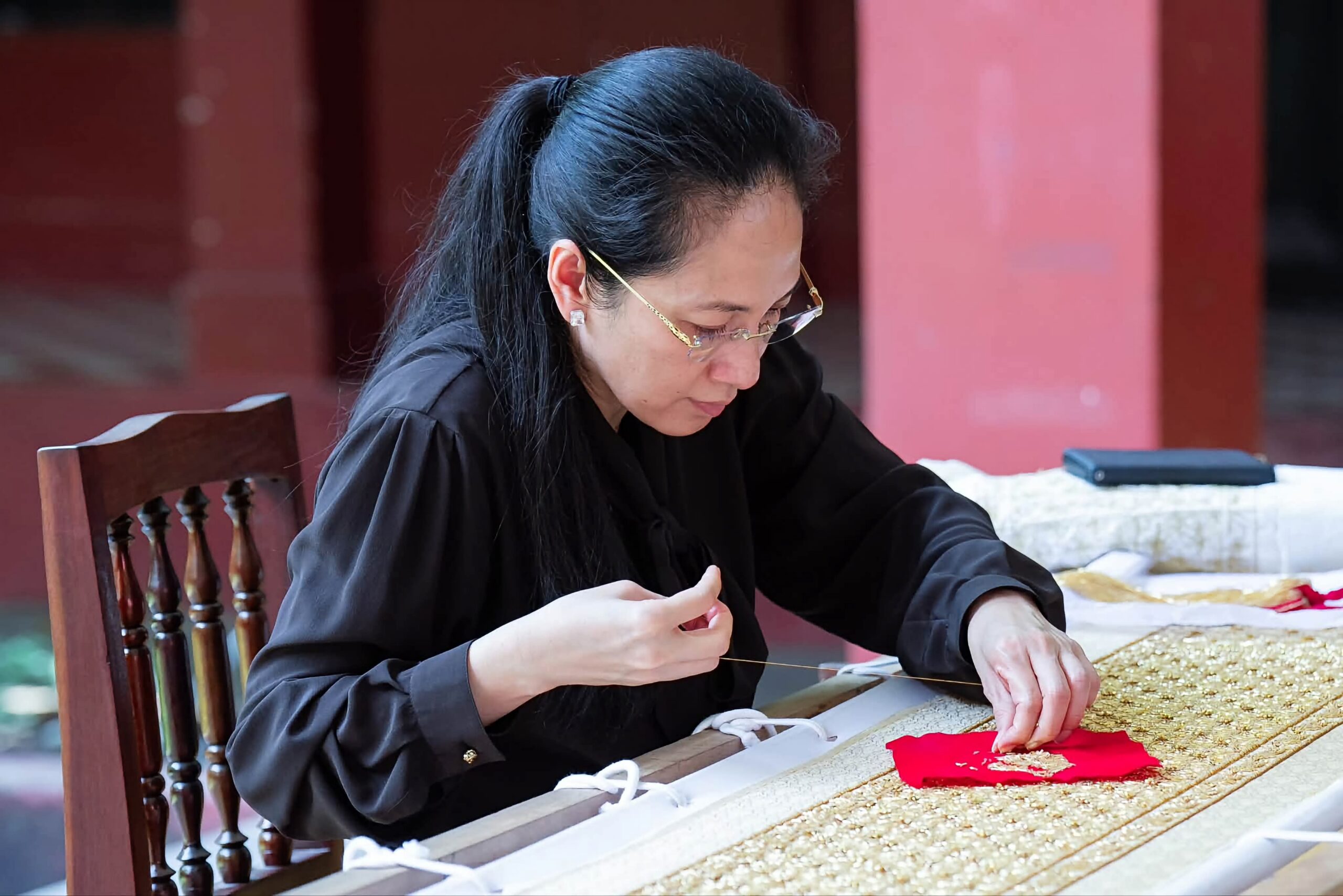
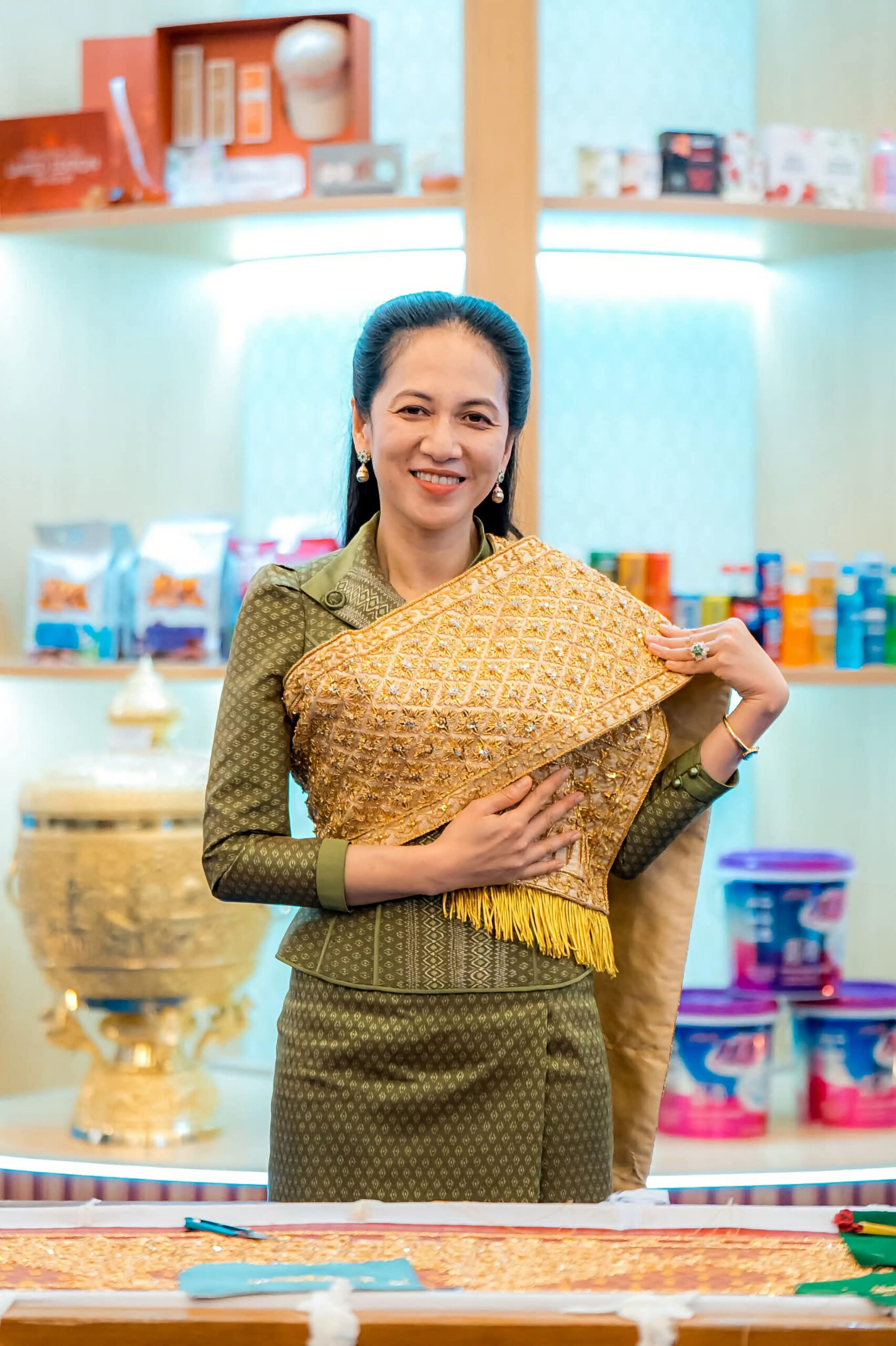
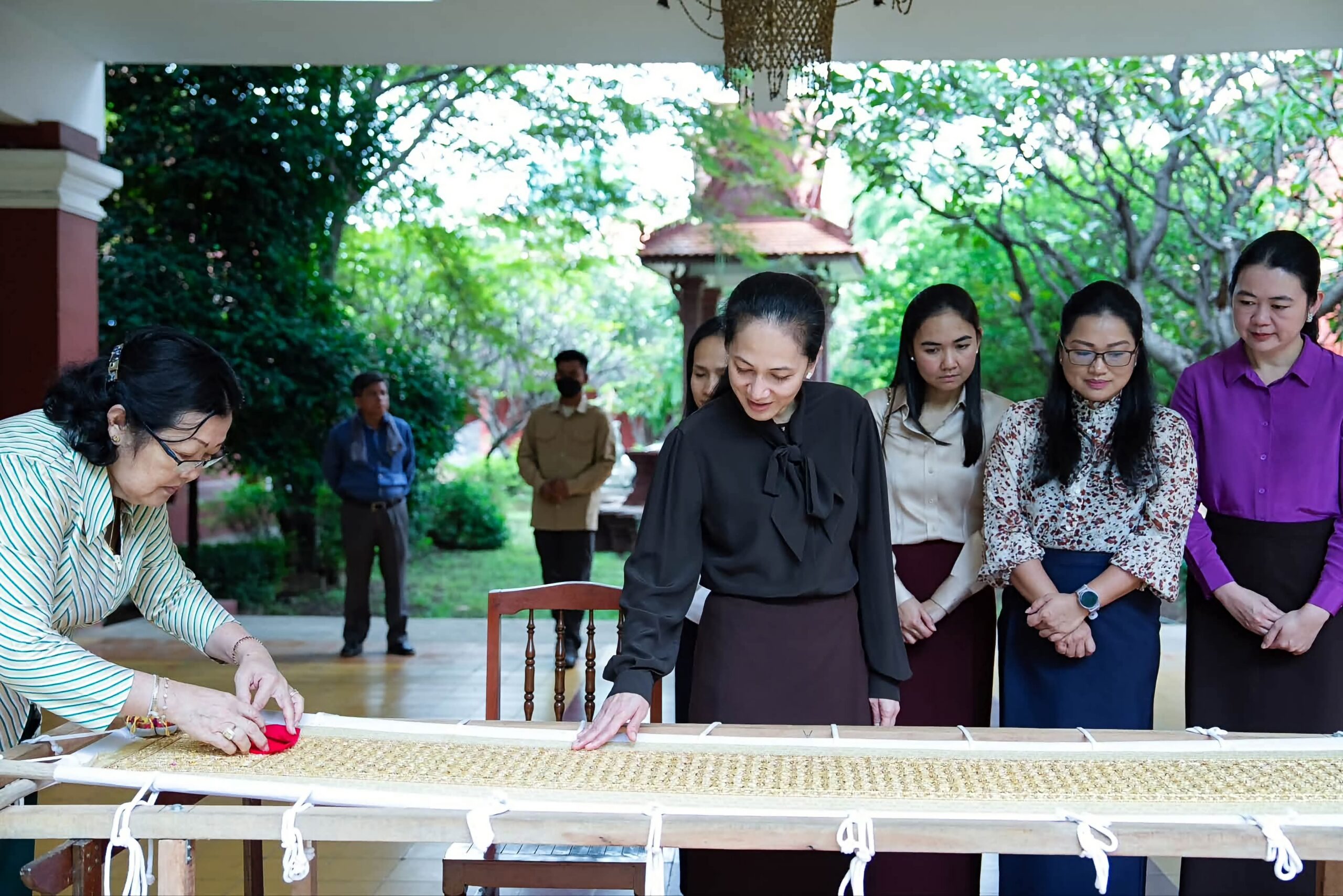
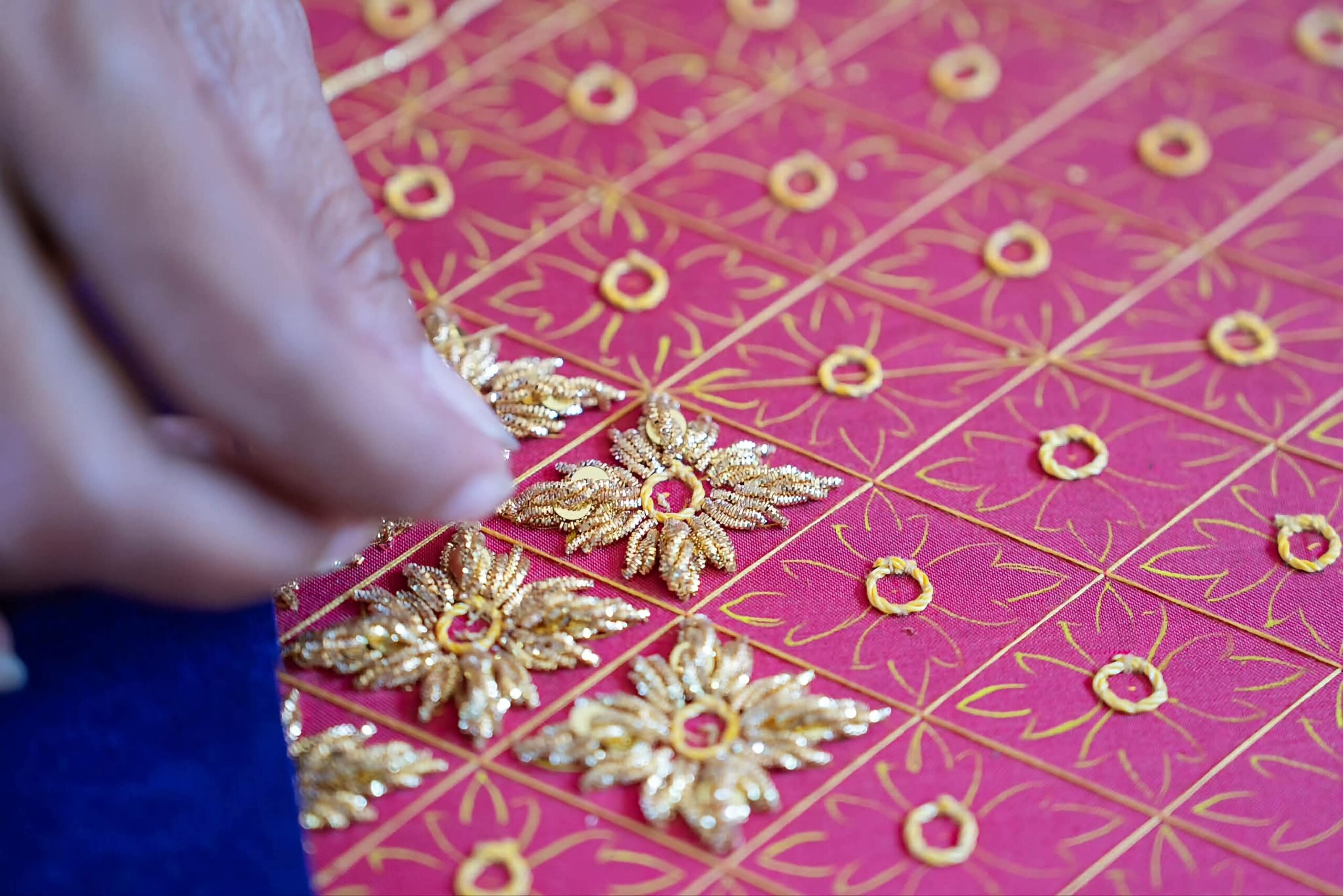
PHNOM PENH, November 12, 2026 – Producing a single embroidered Khmer Sbai can take more than a month, reflecting the detailed craftsmanship and dedication required to preserve one of Cambodia’s longstanding cultural traditions.
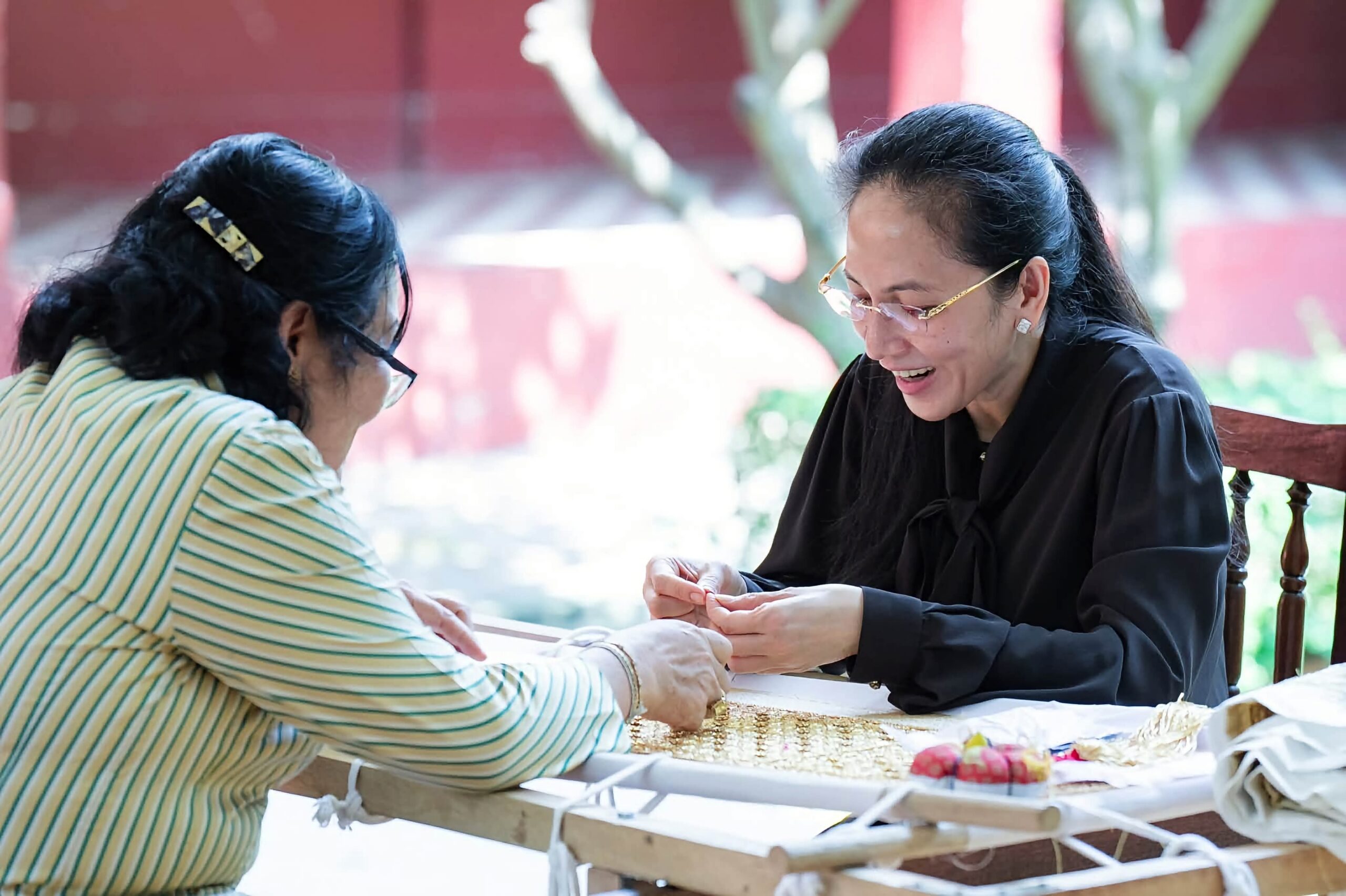
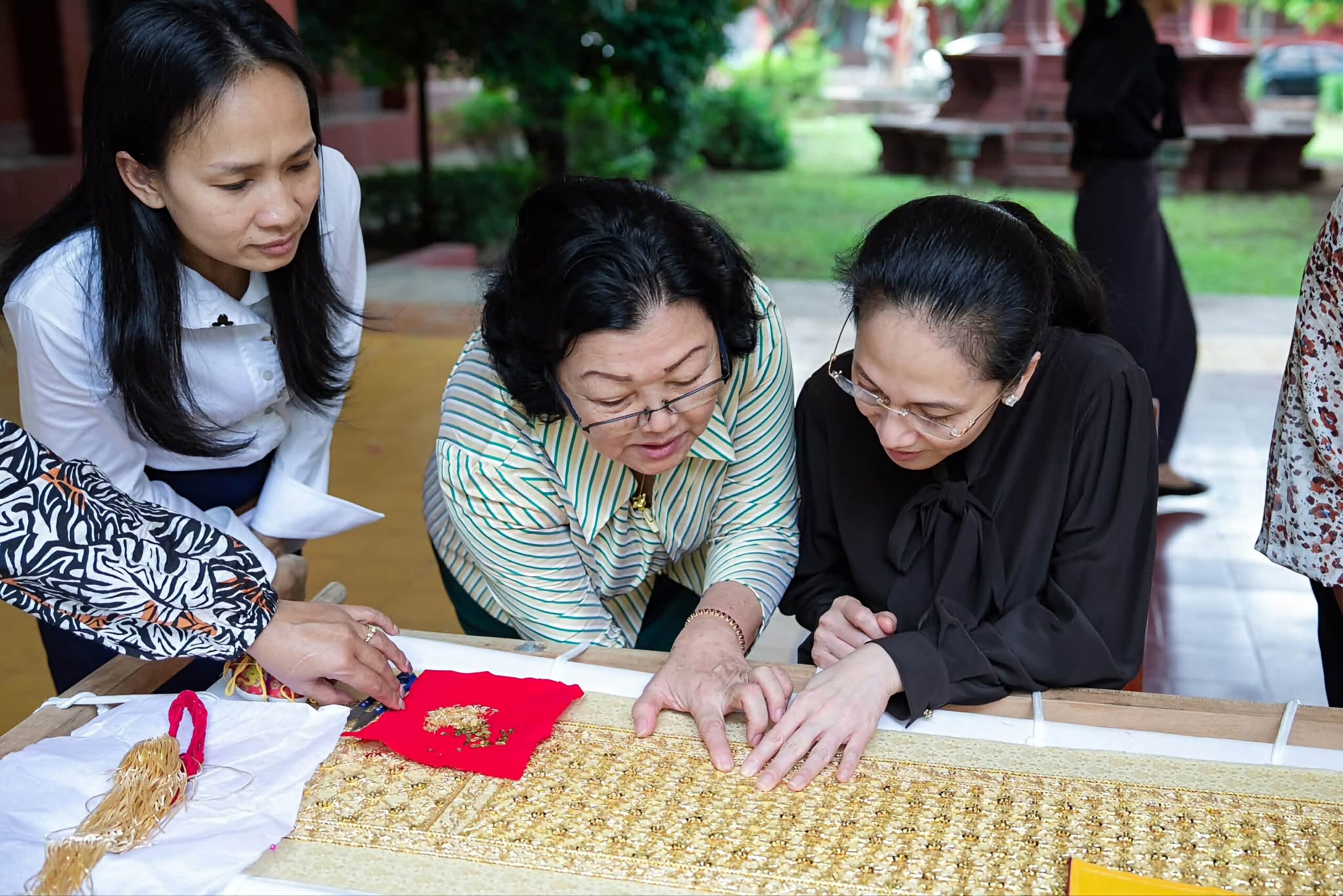
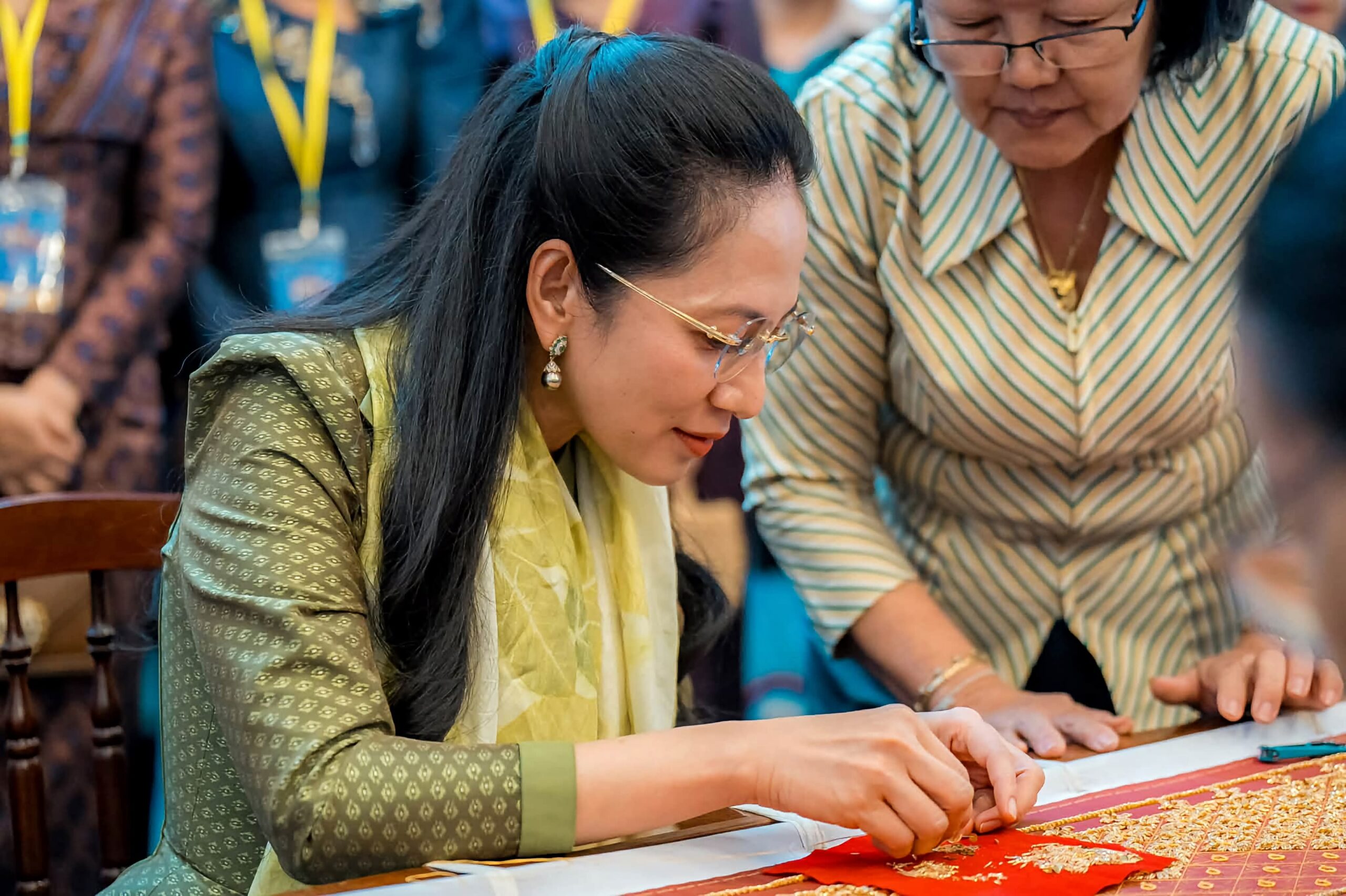
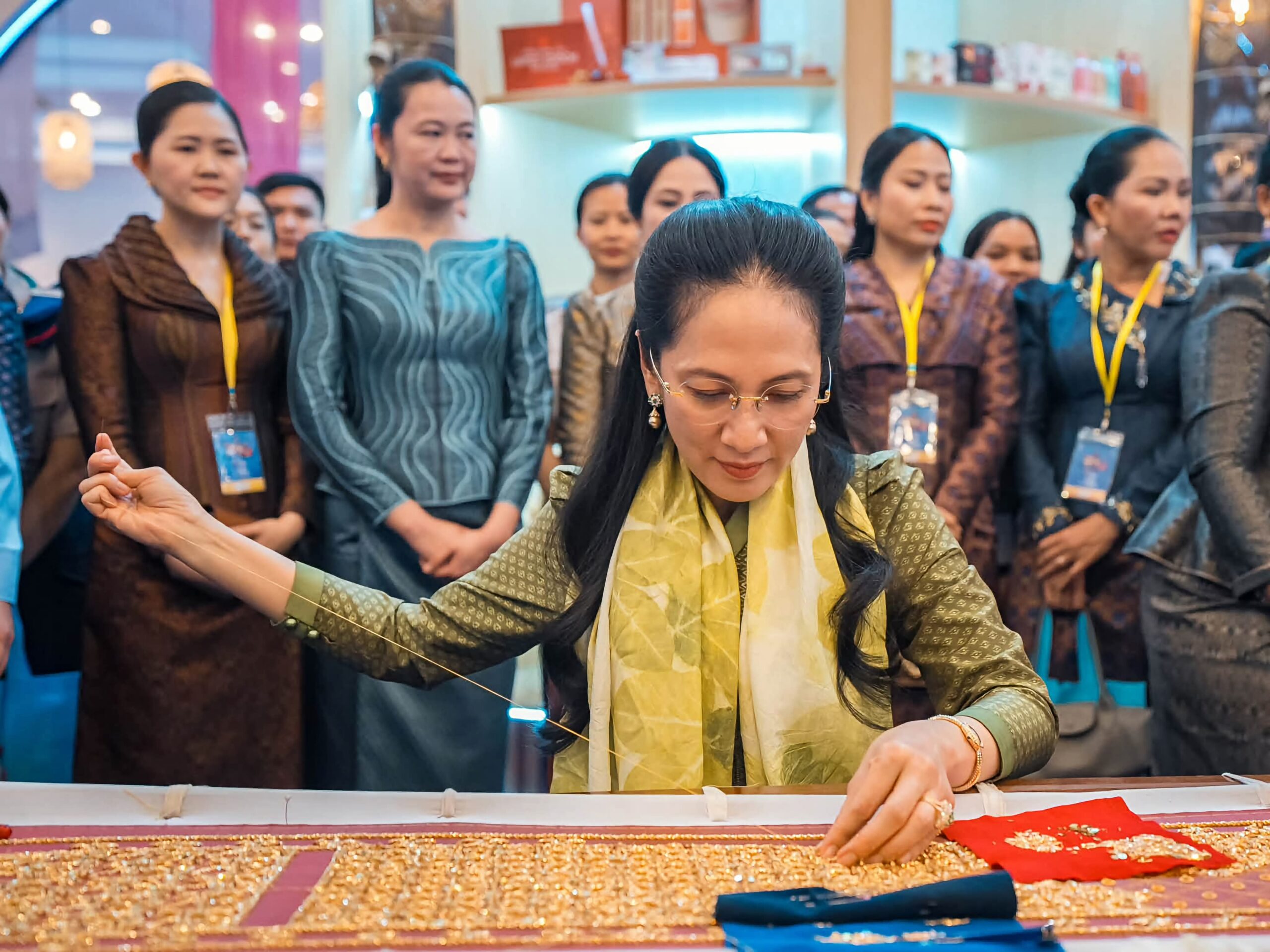
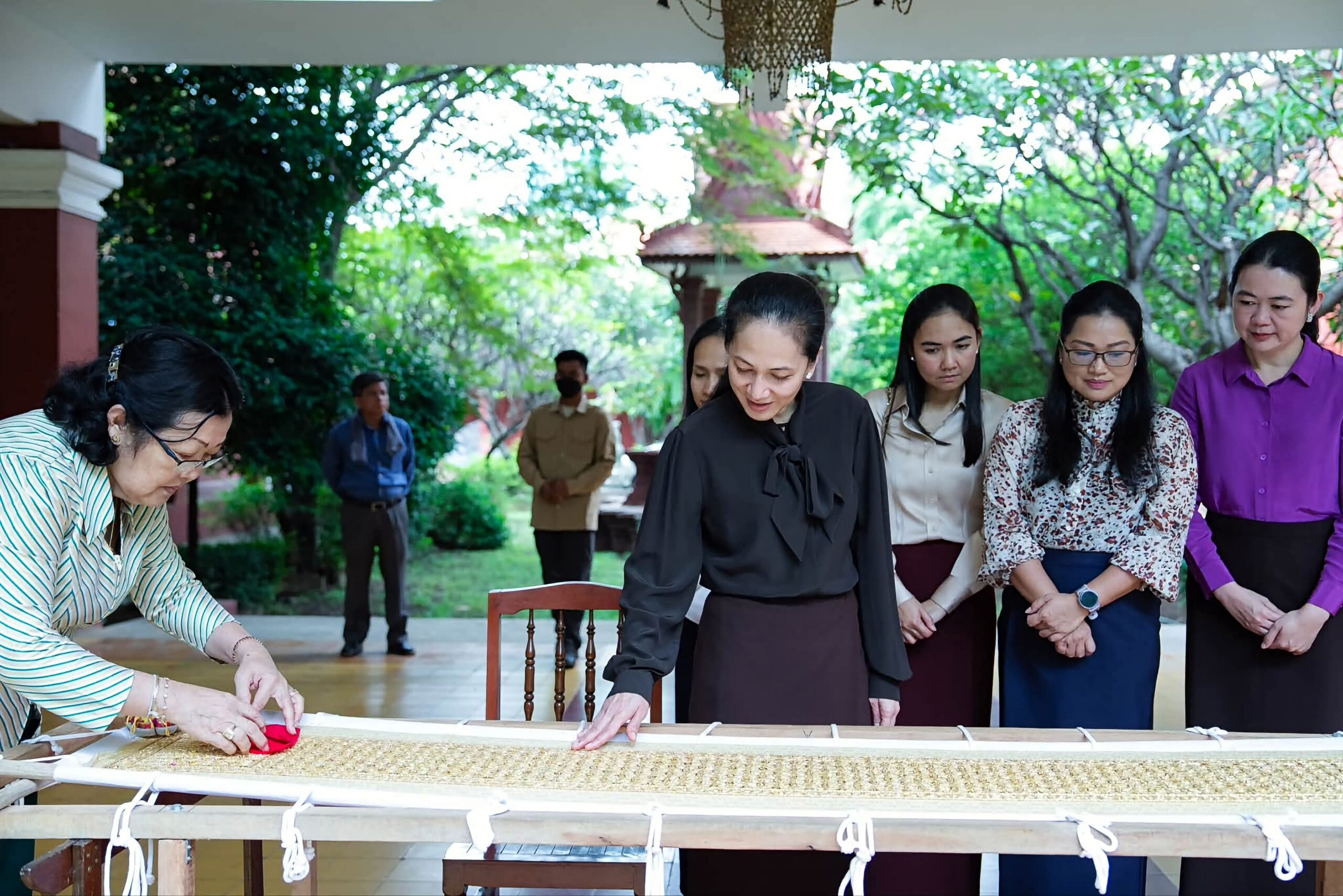
According to Kum Sokunthea, a former student of the Royal University of Fine Arts who specialised in sculpture, decoration and textiles, completing one embroidered Khmer Sbai currently takes approximately 40 days when two people are involved, including the preparation and setup process.
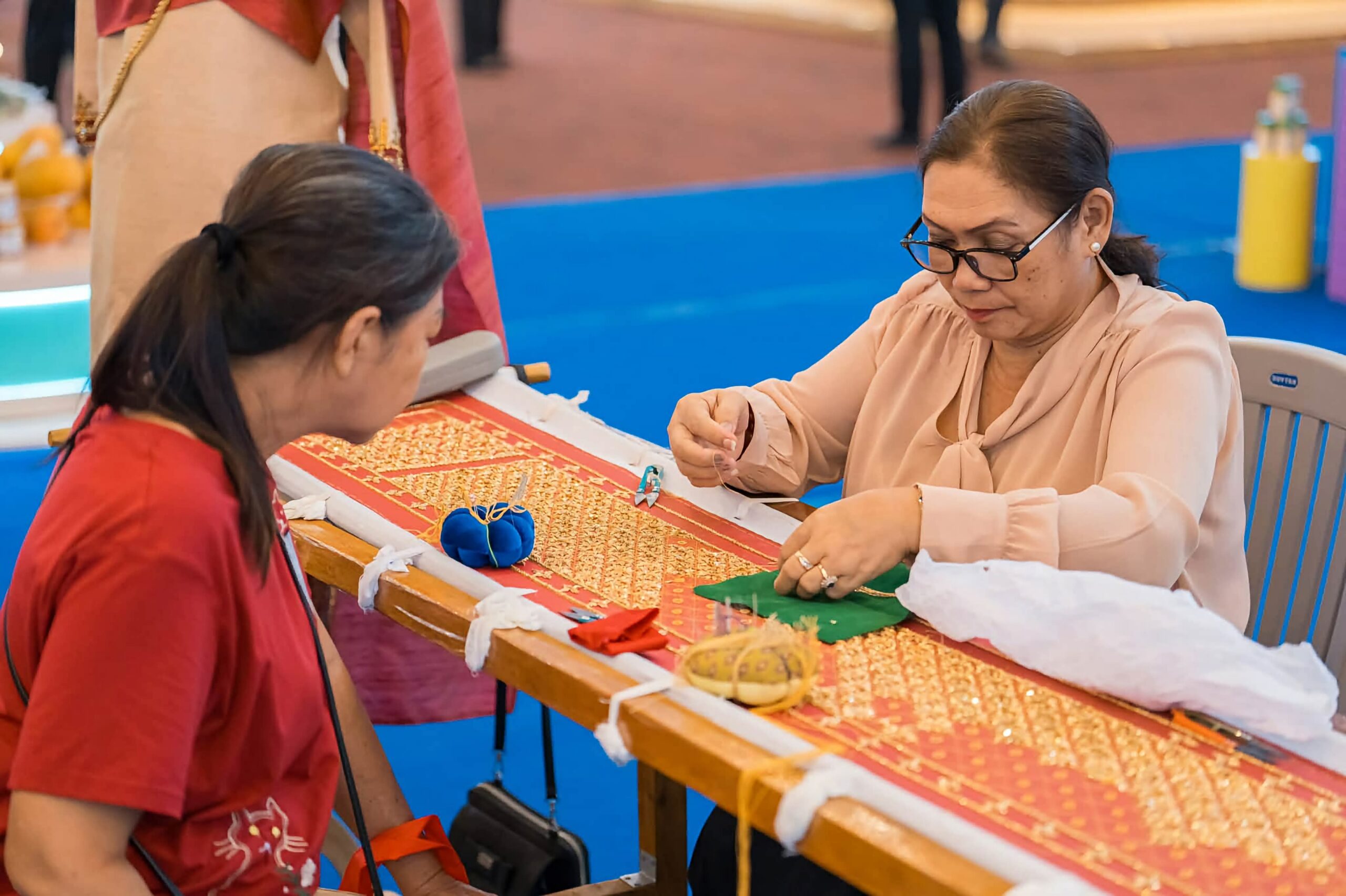
However, the production period can be reduced to around 20 days when more artisans work together, depending on the number of workers and their individual skills.
Sokunthea, who has specialised in decorative arts and textiles since 1993, said some of the materials used in producing the Khmer Sbai are imported from overseas. Phnek Morn embroidery ornaments are ordered from France, while decorative tassels and other accessories are sourced from India.
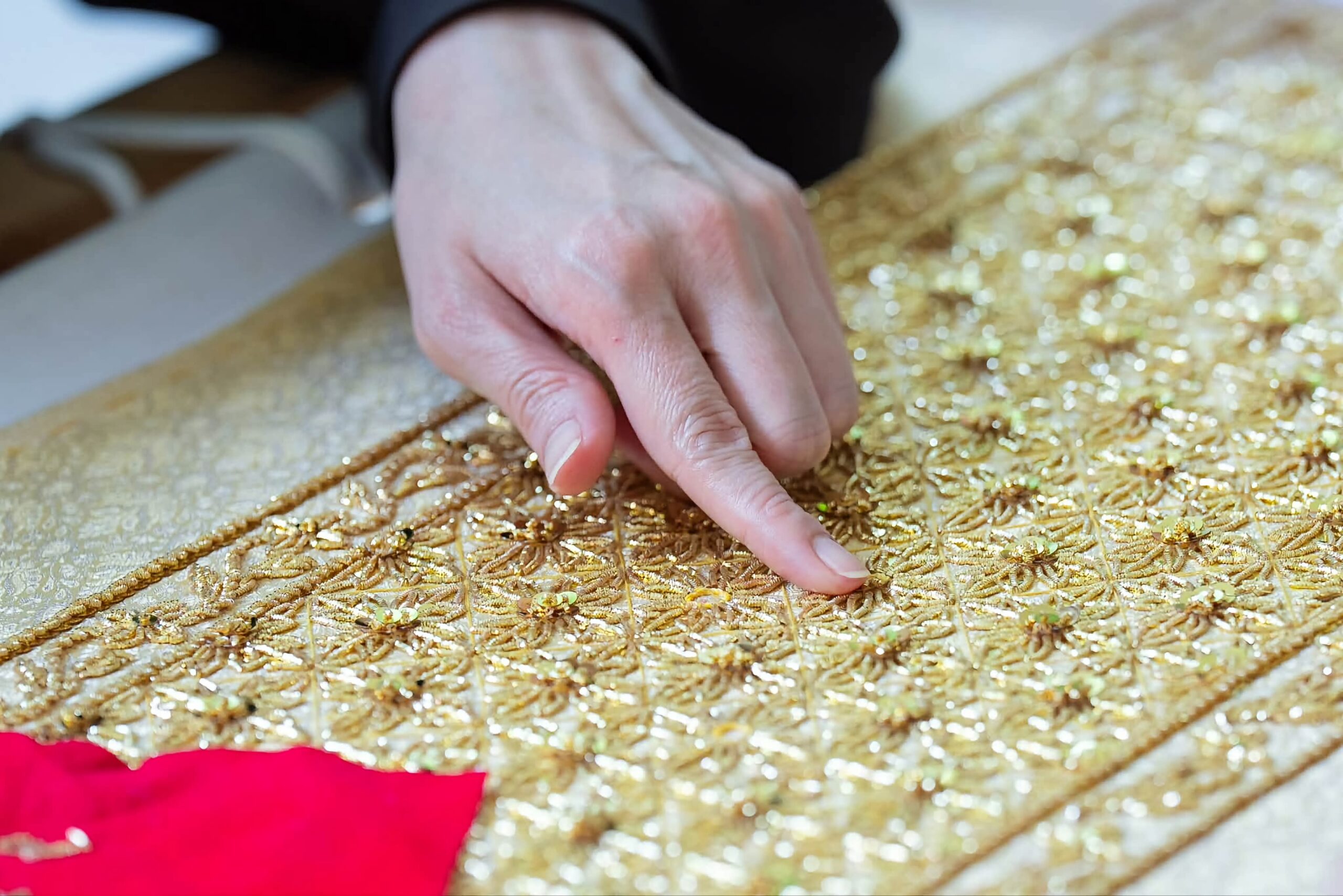
She also stressed the importance of encouraging younger generations to learn the traditional craft to ensure its survival. Young people aged 15 and above, particularly those with a basic background in sculpture or related artistic studies, could develop the skills through practical training and experience.
A symbol of Khmer identity and elegance
The Khmer Sbai has long been an important part of Cambodian women’s traditional clothing and cultural identity.
Historically, it served two main purposes: providing coverage and warmth in everyday life, and enhancing the appearance of traditional outfits worn during public appearances, festivals, ceremonies and cultural events.
Beyond its practical use, the Khmer Sbai represents dignity, modesty and the elegance associated with traditional Khmer women’s attire.
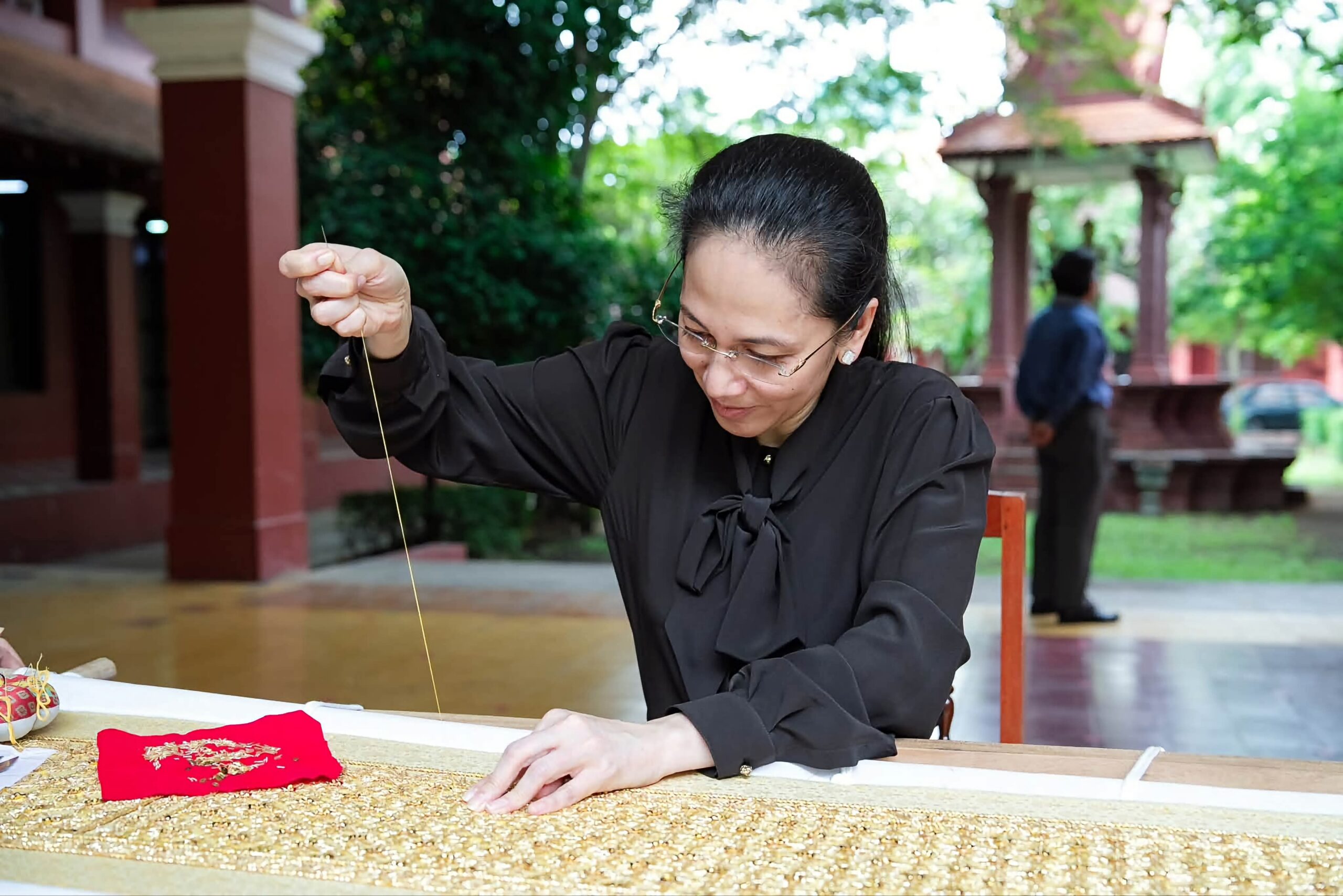
The Khmer dictionary describes a sbai as a thin, soft and lightweight piece of fabric used for covering the body or draping diagonally across the chest and shoulders.
Historical evidence dating back centuries
Historical references indicate that the Khmer Sbai has a long history, with traditions associated with the Funan period and evidence dating back at least to the seventh century.
One important historical reference appears in the inscription of Preah Ko Temple in Siem Reap province, registered as K.713 and dated to 893 AD, during the reign of King Yasovarman I (889–910 AD).
The inscription records royal offerings of gold, silver and servants to a temple deity. Among the listed offerings was an item described as “Vrah Sbai Pyah Anrom Mom Mas,” which French scholar George Coedès interpreted as a type of sbai featuring gold silk thread along its edge.
This reference provides historical evidence of the use of decorative sbai in ancient Khmer religious and royal traditions.
Different types of traditional Khmer Sbai
During an orientation workshop on “Khmer Sbai and Their Use in Traditional Customs and Khmer Weddings”, held at the Ministry of Culture and Fine Arts on October 6, 2026, Chhum Menghong, Director General of Intangible Heritage and Creative Cultural Industries, discussed the different classifications of Khmer Sbai.
Based on historical photographs and observations of contemporary usage, he explained that Khmer Sbai come in various forms, each with its own name and characteristics.
These include Sbai Khviel, Sbai Chieng, Sbai Tat, Sbai Thom, Sbai Chip Phli, Sbai Phuay and Sbai Leat.
As Cambodia continues to preserve its traditional arts and cultural heritage, passing embroidery and textile-making skills to younger generations remains essential to ensuring that the craftsmanship behind the Khmer Sbai is not lost.
AMS