Thailand Has No Right to Silence Cambodia on the International Stage
 Thailand Has No Right to Silence Cambodia on the International Stage
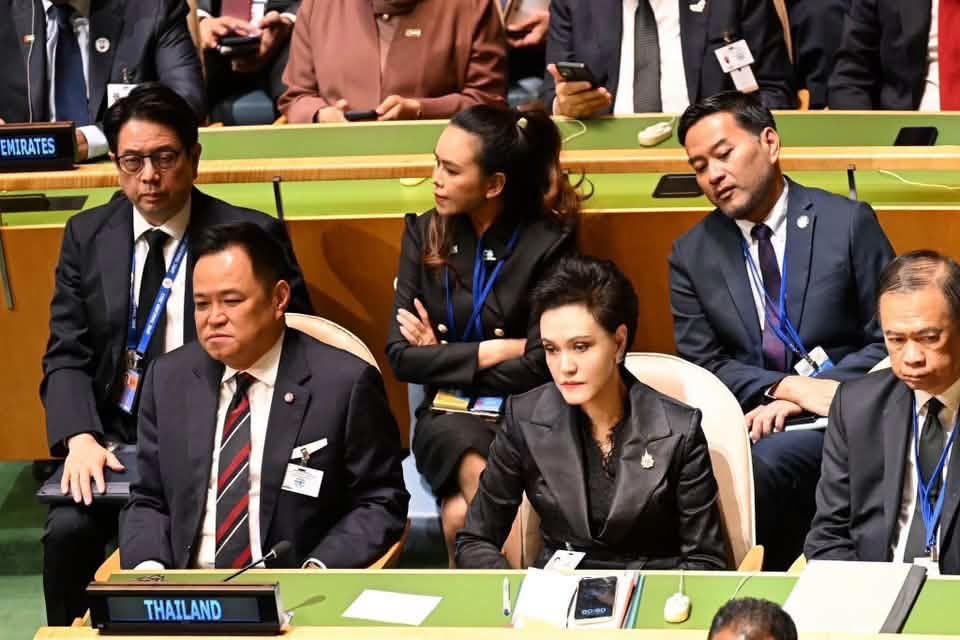
Thailand’s Foreign Minister, Sihasak Phuangketkeow, has urged Cambodia not to raise the Cambodia-Thailand border dispute during the 20th Francophonie Summit in Phnom Penh. Thailand argues that bilateral disputes fall outside the scope of the meeting. However, an important question remains: why is Thailand so concerned about Cambodia having the opportunity to express its position internationally?
Of course, the Francophonie Summit is not a forum for resolving the border dispute between the two countries. Cambodia does not need to use the occasion to increase tensions with its neighbour. However, respecting the summit’s purpose does not mean Cambodia must give up its right to express its views on peace, international disputes and respect for international law. Thailand should understand the difference between discussing an issue to explain a country’s position and using a summit to replace existing dispute-resolution mechanisms.
The summit’s theme focuses on building peace, shared prosperity and long-term stability. How, then, could sharing experiences of conflict, promoting peaceful solutions and upholding international law contradict these objectives? Peace should not simply be an attractive phrase in the title of an international meeting. Genuine peacebuilding requires the courage to address problems and find solutions to the issues standing in its way.
If Thailand is confident in its position and has documents and evidence to support its claims, it should respond with facts and reason rather than asking Cambodia to remain silent. Disagreements cannot be resolved by demanding that the other side stop speaking. Thailand is equally entitled to present its own position, supported by evidence and legal arguments. That is what professional diplomacy should look like.
Cambodia has consistently expressed its commitment to peaceful dispute resolution and international law, including the conciliation mechanism under the United Nations Convention on the Law of the Sea (UNCLOS). Explaining this commitment should not be portrayed as an attempt to use an international platform against Thailand. Rather, it demonstrates Cambodia’s intention to defend its legitimate rights through peaceful and lawful means.
As a sovereign state and member of the international community, Cambodia has every right to express its views. Hosting an international summit does not require Cambodia to adjust its position according to Thailand’s preferences. Cambodia should use this opportunity with political and diplomatic maturity, supported by documents and evidence.
Ultimately, if Thailand genuinely wants peace and restored trust, it should demonstrate goodwill through concrete actions and mutual respect, not by asking Cambodia to avoid sensitive issues.
Peace cannot be achieved by silencing one side. It must come from confronting difficult issues, respecting facts and pursuing fair solutions.
By: Pin Vichey