
People’s Party Criticises Thailand’s Oil Relief Plan as Insufficient
 People’s Party Criticises Thailand’s Oil Relief Plan as Insufficient
BANGKOK, April 12, 2026 – Thailand’s opposition People’s Party on Saturday criticised the government’s oil crisis relief package as insufficient and lacking transparency, warning that the measures fail to address rising costs across key sectors and vulnerable groups.
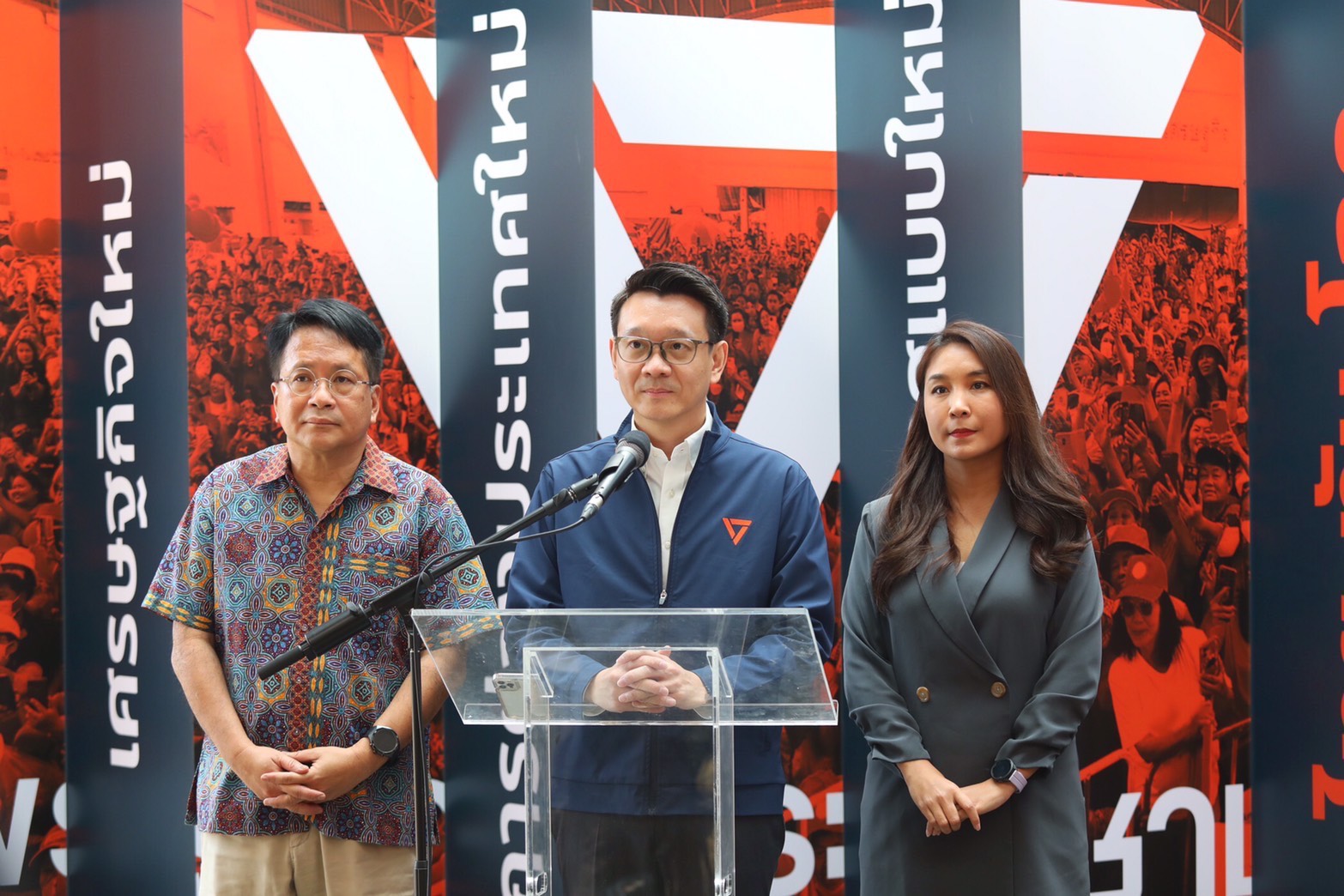
At a press briefing, party leaders said only around 3 billion baht ($81 million) of the total 7.7 billion baht package represents direct immediate relief, while the remaining 4.7 billion baht is being used to plug existing budget gaps, particularly in state welfare spending for the 2026 fiscal year.
Deputy leader Veerayut Kanchanchat, speaking alongside senior party figures, said the measures were narrowly focused and excluded industries heavily affected by fuel price increases, including fisheries, plastics manufacturing and supply chains linked to packaging, construction and paint.
“The current support is concentrated on government contractors, while many sectors facing similar cost pressures are left out,” he said.
The party noted that detailed measures so far mainly benefit construction contractors, including adjustments to diesel cost calculations and contract terms, but do not extend comparable assistance to agriculture or other industries.
Policy director Detchrat Sukkamnerd said fuel and fertiliser account for 40–50% of agricultural production costs, yet existing support schemes remain limited. The government’s fertiliser subsidy programme reaches only a small fraction of farmers, he said, adding that plans to expand coverage remain unclear.
He also called on the Commerce Ministry to disclose data on fertiliser imports, domestic stock levels and pricing to prevent market distortions and overpricing.
The party further highlighted gaps in social assistance, noting that while welfare card holders receive an additional 100 baht per month, up to half of the poorest households are not covered by the scheme.
Deputy leader Sirikanya Tansakul said much of the funding presented as relief actually compensates for a shortfall in the Pracharath welfare fund, which received 30 billion baht in the 2026 budget, below its typical annual requirement of 50 billion baht.
She added that the government has yet to outline a clear financing plan for the remainder of the year and is expected to rely on budget reallocations rather than emergency measures.
The People’s Party urged the government to clarify funding sources and expand support coverage, warning that without broader and more transparent measures, households and businesses will continue to face mounting pressure from rising energy costs.
Thai Enquirer