Siem Reap Angkor Airport Welcomes 714,000 Passengers in H1
 Siem Reap Angkor Airport Welcomes 714,000 Passengers in H1
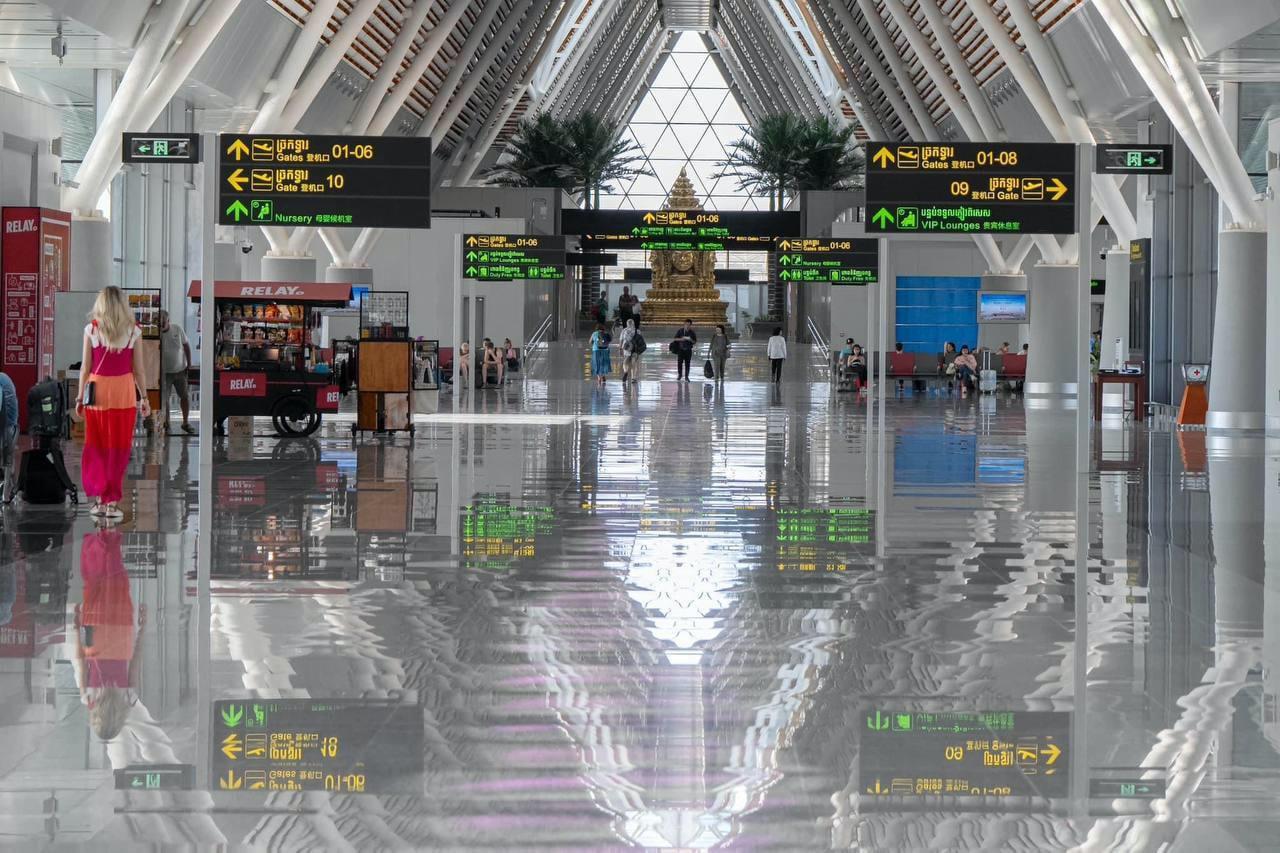
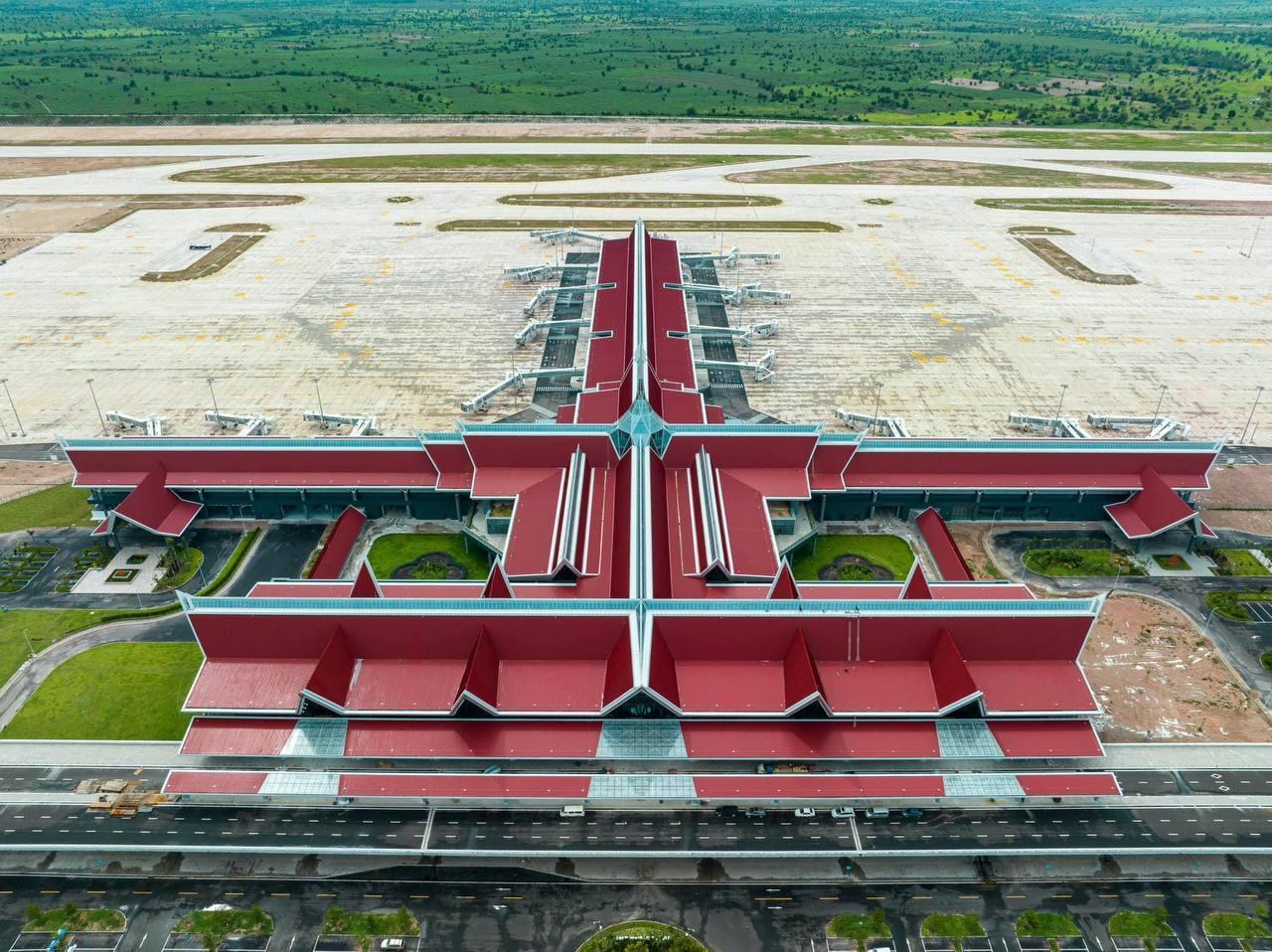
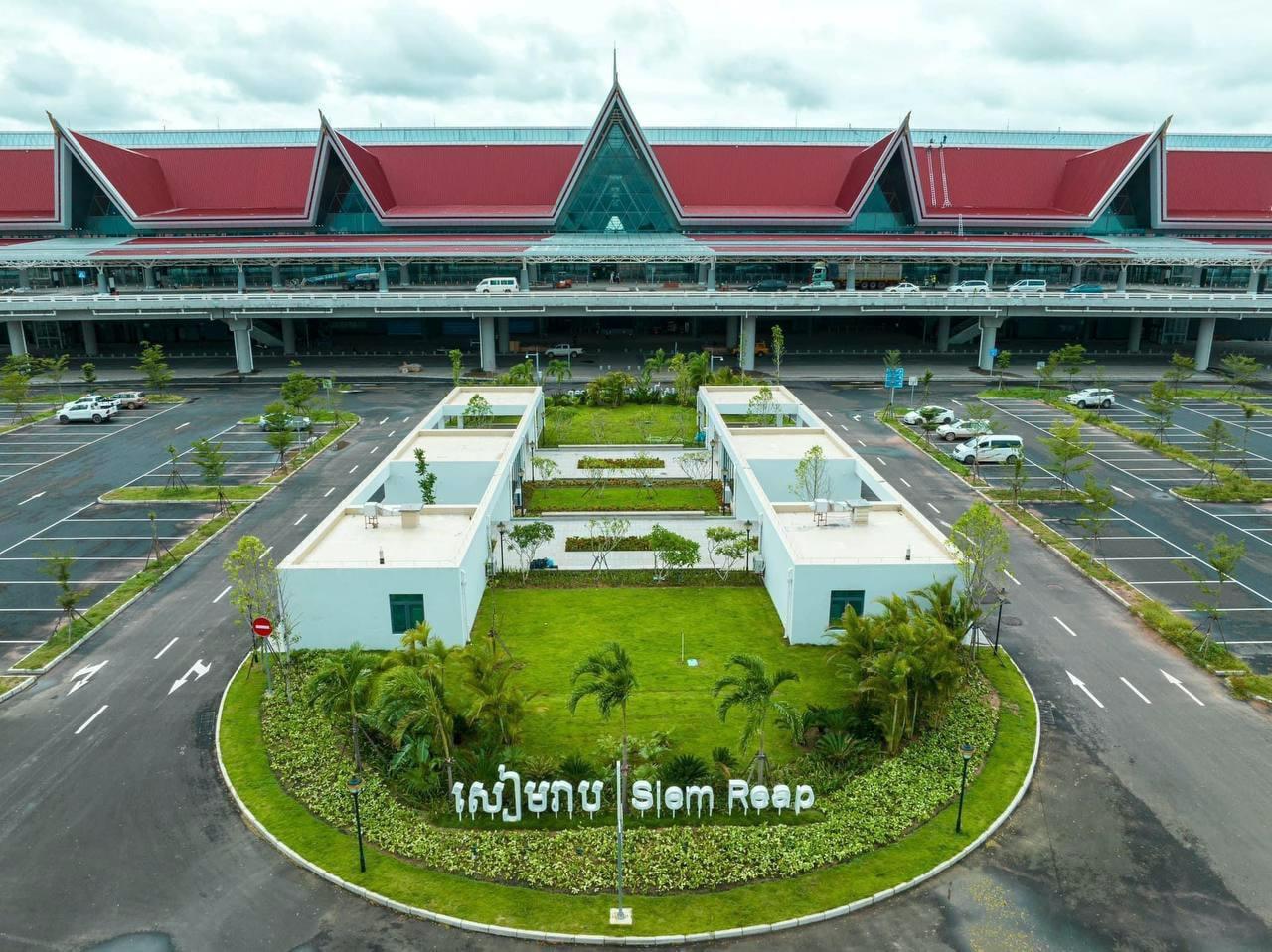
PHNOM PENH, Aug. 14, 2026 — Cambodia’s Siem Reap Angkor International Airport handled about 714,133 passengers in the first half of 2026, as authorities and the airport operator step up efforts to revive tourism and expand air connectivity to Siem Reap and the Angkor area.
Sin Chanserivutha, Secretary of State and spokesman for the State Secretariat of Civil Aviation, said passenger traffic had yet to return to pre-crisis levels despite ongoing efforts to attract visitors and expand flight connections.
Since officially opening in October 2023, the airport has played a key role in connecting Siem Reap and the Angkor tourism area with international destinations.
According to airport operator AIAI, the airport handled 1.47 million passengers in 2025, up 5.3% from 2024. However, that figure represented only 37.6% of the passenger volume recorded in 2019, before the COVID-19 crisis.
The figures have prompted renewed efforts to expand the tourism market and strengthen air connectivity, particularly as Siem Reap remains one of Cambodia’s key international tourism destinations.
During a meeting on Aug. 12 between Minister in Charge of the State Secretariat of Civil Aviation Mao Havannall and AIAI, the two sides discussed measures to strengthen Siem Reap’s tourism potential, restore passenger traffic and expand flight networks.
AIAI also presented a proposal to redevelop the former Siem Reap airport site under a project called “Miracle Angkor.”
The proposed development would transform the 196.32-hectare former airport site into a commercial, cultural and nighttime tourism hub.
The proposal includes an international exhibition centre, a digital museum and carbon-free green tourism performances, with the aim of encouraging visitors to extend their stay in Siem Reap by an additional one to two nights.
The broader strategy is to strengthen air connectivity, restore passenger growth and make Siem Reap more attractive to international visitors.
Officials and the airport operator are also seeking to turn improved aviation connectivity into a driver of tourism, investment and sustainable economic growth.