Thailand Busts Fake ALLERGIN Syrup Network, Seizes 51,790 Bottles
 Thailand Busts Fake ALLERGIN Syrup Network, Seizes 51,790 Bottles
BANGKOK, Sept. 25, 2026 — Thai police and the Food and Drug Administration (FDA) have dismantled what authorities described as a full-scale network producing and distributing counterfeit ALLERGIN SYRUP allergy medicine, arresting 10 people and seizing more than 51,000 bottles linked to the investigation.
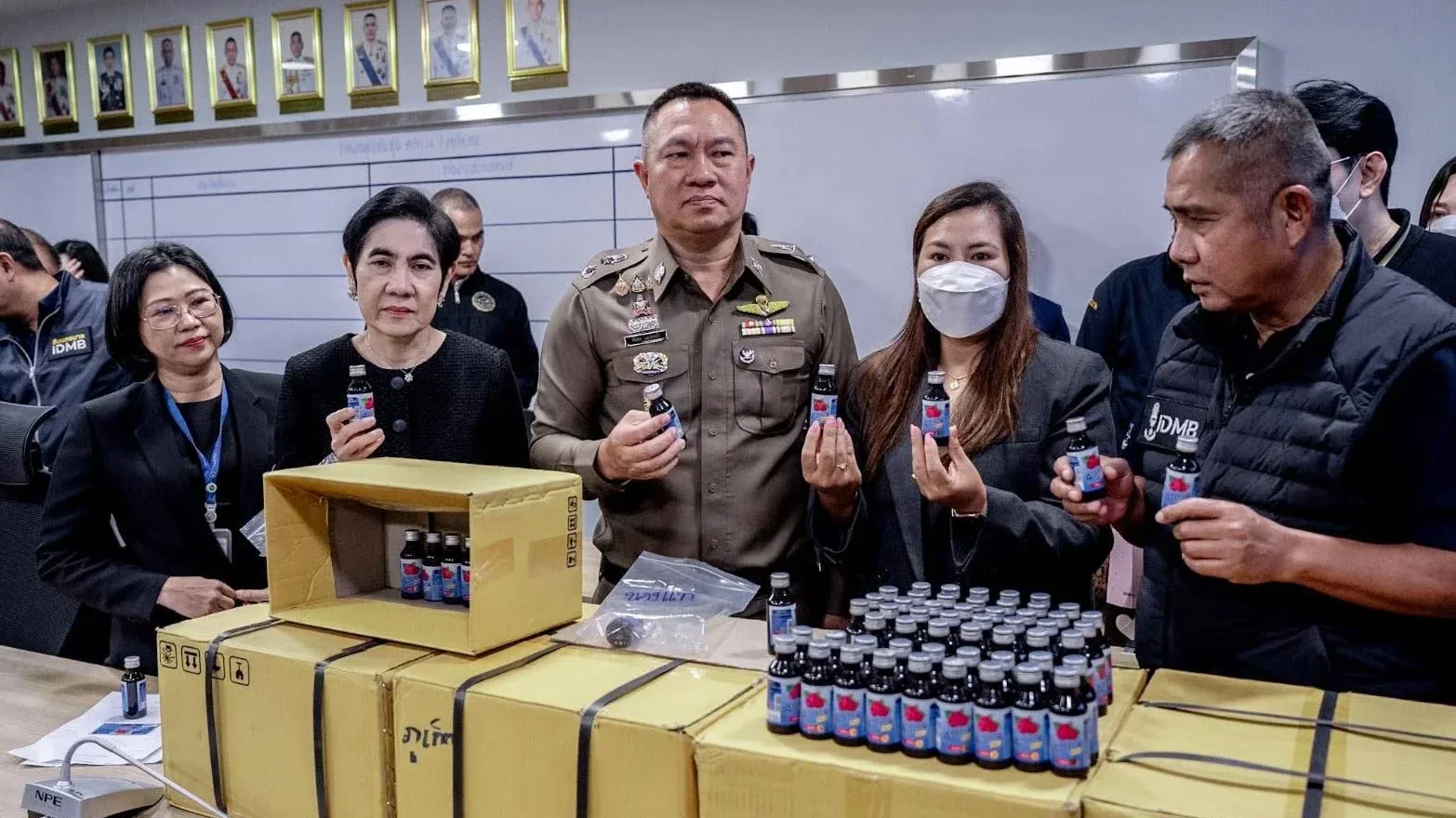
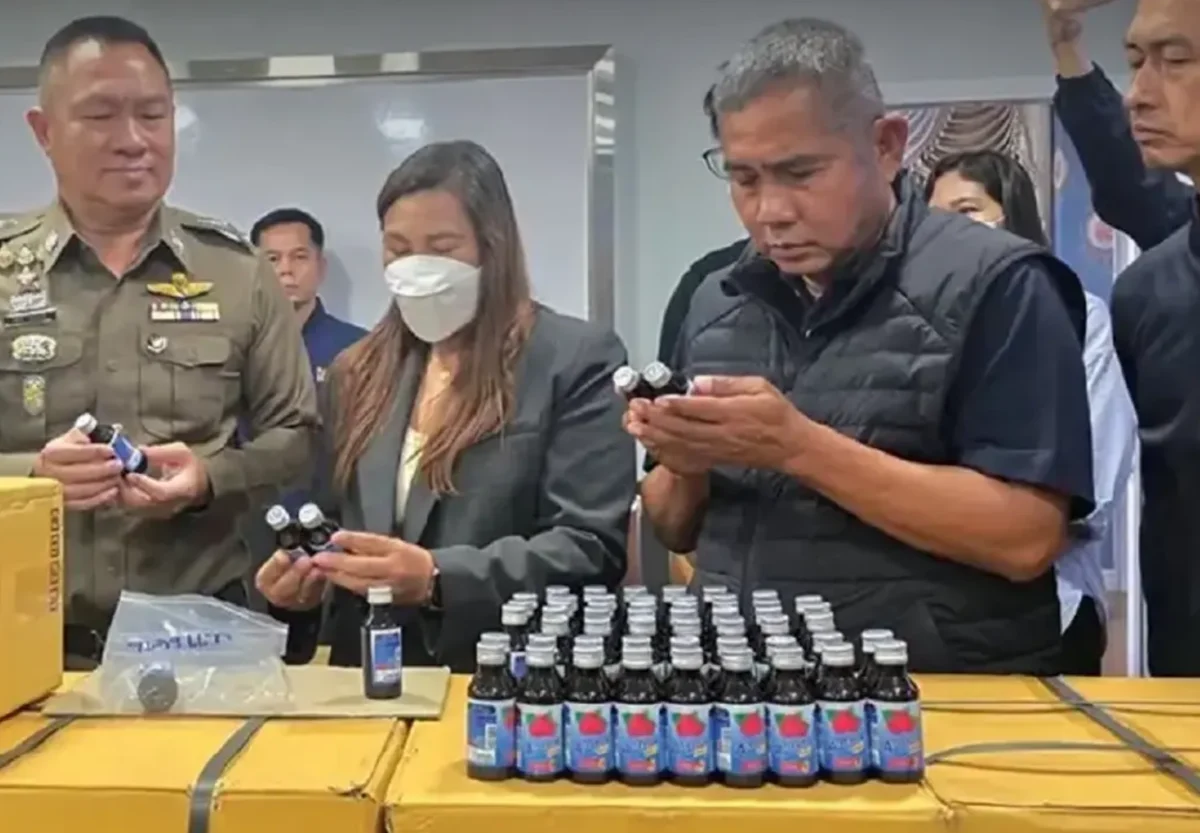
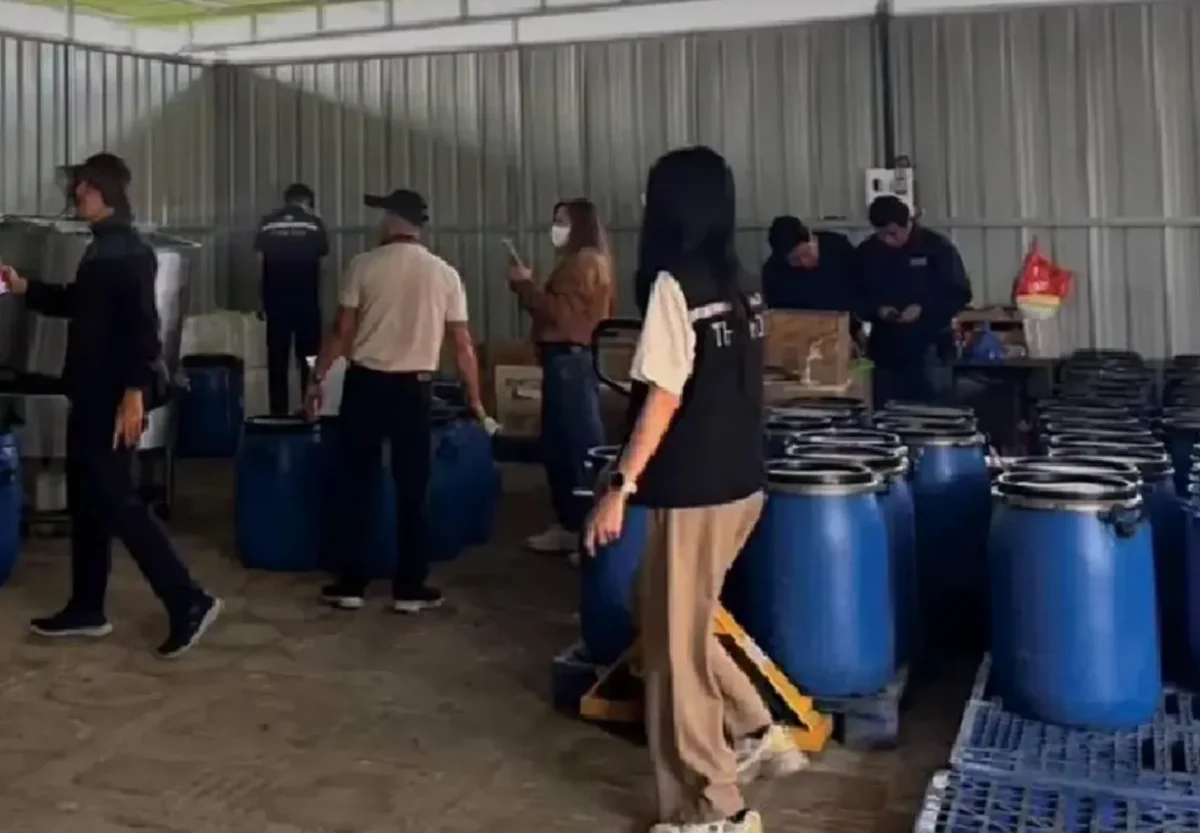
The operation uncovered facilities involved in mixing ingredients, manufacturing, bottling, labeling, packaging, storing and distributing the counterfeit medicine across Bangkok and Samut Sakhon province. Thai authorities said the seized raw materials and packaging could have been used to produce another approximately 1 million bottles.
The latest raids, conducted on Sept. 22, covered four locations. Authorities seized more than 37,000 finished bottles during the operation, along with hundreds of thousands of empty bottles, 850,000 bottle caps, more than 150,000 labels, raw materials, production equipment and other packaging supplies. The FDA said the total number of seized items exceeded 1.4 million.
The investigation began on Aug. 18 after N&N Pharmaceutical Co., the holder of the relevant trademark rights, alerted police to suspected counterfeit ALLERGIN products being transported to a distribution point in Bangkok’s Pathum Wan district for onward shipment to southern Thailand.
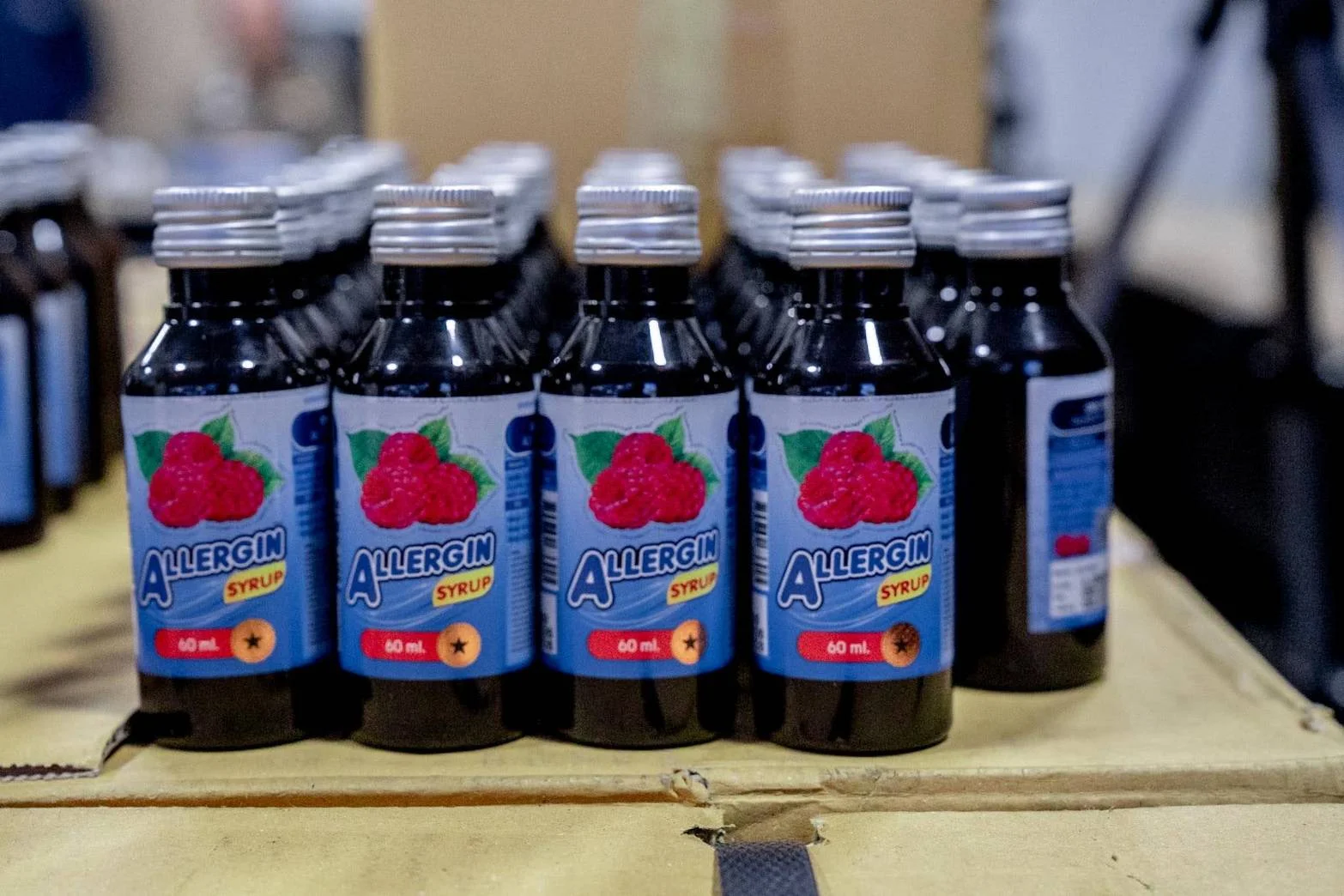
Police subsequently inspected a transport company in Rong Mueang and found about 19,990 bottles labeled “ALLERGIN SYRUP.” A representative of the rights holder identified the products as counterfeit, prompting authorities to launch a wider investigation.
During the Sept. 22 operation, police said they arrested nine people at a warehouse in Na Khok, Samut Sakhon, where workers were allegedly filling bottles, applying labels and packing the products for distribution.
Investigators seized finished counterfeit ALLERGIN SYRUP, bulk reddish-brown liquid, nearly 80,000 empty amber-colored plastic bottles, bottle caps, labels bearing the registration number “1A 271/62,” filling machines, capping machines, labeling equipment and an automatic carton-wrapping machine.
At another location in Bangkok’s Bang Khun Thian district, police found two enclosed pickup trucks allegedly used to transport the counterfeit medicine. One contained 17,800 finished bottles and the other 13,800 bottles. A 28-year-old man was arrested at the site, according to authorities.
A fourth location in Ban Phaeo district, Samut Sakhon, was allegedly used to store packaging materials. Police seized approximately 336,000 empty amber-colored bottles, 850,000 silver screw caps and around 150,000 counterfeit labels.
Including the 19,990 bottles seized during the initial investigation on Aug. 18, authorities said the total quantity of counterfeit ALLERGIN products connected to the case had reached approximately 51,790 bottles.
Thai authorities said the operation demonstrated the network’s ability to handle the counterfeit medicine production process from raw materials through to distribution. Police are continuing to investigate other people who may be involved and said they would examine financial transactions for possible money-laundering offences if sufficient evidence is found.
The suspects face charges under Thailand’s Trademark Act and Drug Act, including alleged trademark counterfeiting, possession of counterfeit trademarked goods for sale, and unauthorized production or sale of medicines and production of counterfeit drugs.
Thai police and the FDA urged consumers to purchase medicines only from licensed pharmacies and authorized sources. They also advised consumers to check medicine names, registration numbers, labels, bottle caps and packaging carefully, particularly when purchasing medicines online or from sources whose origins cannot be verified.
Authorities warned that counterfeit medicines may contain substandard ingredients or contaminants and could pose serious risks to consumers.